What new EU sanctions mean for crypto exchanges and their Russian clients
Despite many popular exchanges curtailing their operations within Russia, several platforms continue to service the region as usual.
Archive context
Older archive item. Useful for background and entity history, but not a fresh market-moving signal.

Despite many popular exchanges curtailing their operations within Russia, several platforms continue to service the region as usual.
Why this matters
This security story adds another data point to the current market tape and is useful when read alongside nearby source coverage.
Original source
Read on CointelegraphRelated market context

UK sanctions crypto platforms suspected of supporting Russian financial networks
The UK sanctioned Cryptomus, Heleket and TokenSpot in a Russia sanctions package, with TRM Labs identifying links to Grinex and Ga...

Why XRP’s 63 billion circulating tokens don’t tell buyers what’s for sale
For XRP buyers, available supply depends on the price they are willing to pay. The token's roughly 63.09 billion circulating suppl...
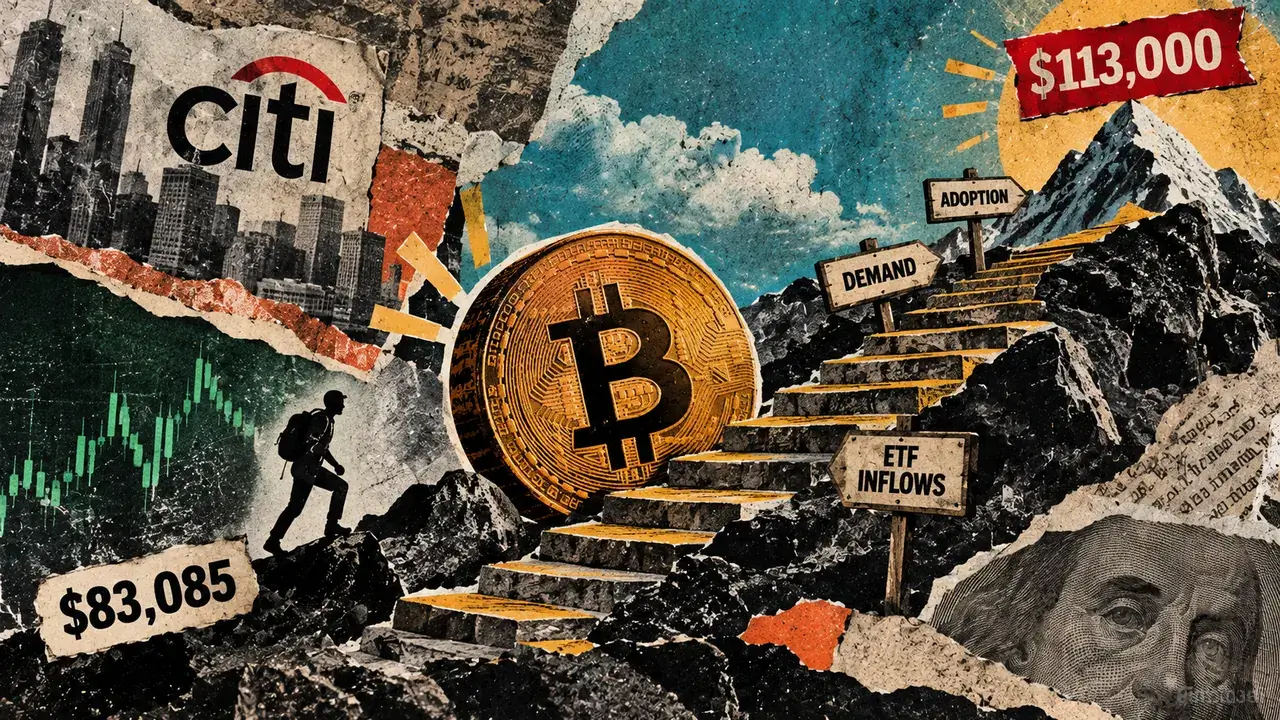
Citi predicts Bitcoin going back to $113,000. Here’s what the buying data shows
Citi's $113,000 Bitcoin target would require a roughly 36% rise from the Oct. 7 reference price, keeping it below its previous rec...

What is Crypto Bunker Mode? Ethereum’s Justin Drake Warns of a Possible AI Break
What is Crypto bunker mode? Ethereum Foundation researcher Justin Drake urged the crypto industry on October 7, 2026, to plan a co...

UK sanctions crypto payment processors Cryptomus, Heleket, and exchange TokenSpot
The UK's sanctions highlight the increasing scrutiny on crypto's role in evading financial restrictions, impacting global complian...

RedStone launches Sanctions Oracle for onchain compliance on Ethereum
RedStone's Sanctions Oracle enhances onchain compliance, potentially reshaping DeFi protocols by automating sanctions checks and r...