XRP’s next Wall Street expansion comes with an unexpected complication from Ripple
Evernorth is preparing to begin trading on Nasdaq on Monday, bringing approximately 473 million XRP into a publicly traded treasury company. The company completed its merger with Armada Acquisition Corp. II on Oct. 9 and...
High signal
Published in the last two hours. The story has cross-source confirmation.
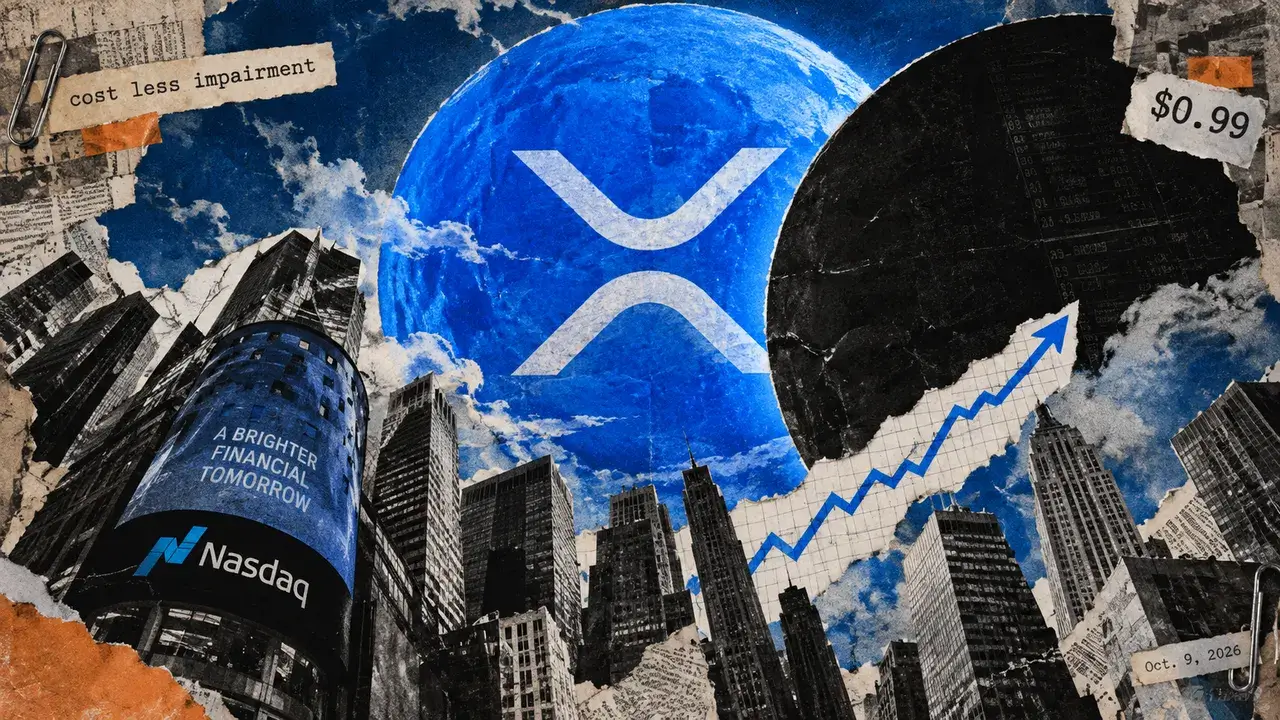
Evernorth is preparing to begin trading on Nasdaq on Monday, bringing approximately 473 million XRP into a publicly traded treasury company.
The company completed its merger with Armada Acquisition Corp. II on Oct. 9 and expects its shares to trade under the ticker XRPN on Oct. 12. It also reported approximately $300 million in gross cash proceeds before transaction expenses, backed by investors including Ripple, SBI Group, Pantera Capital, Kraken, and GSR.
The listing gives stock-market investors access to one of the largest corporate XRP treasuries while establishing a new source of capital for the XRP Ledger's expanding financial ecosystem.
Related Reading XRP treasury SPAC drops 50% in a day ahead of Evernorth’s Nasdaq debut Evernorth targets XRP liquidity and institutional financeEvernorth intends to distinguish itself from traditional crypto treasury companies that primarily accumulate digital assets and rely on price appreciation to generate shareholder returns.
Instead, Chief Executive Officer Asheesh Birla said the company would actively deploy capital across the XRP ecosystem, supporting infrastructure and financial applications while pursuing strategies designed to increase XRP holdings per share.
The strategy includes institutional and decentralized finance yield opportunities, ecosystem participation, and capital markets activities intended to put the company's assets to productive use.
In an October 9 shareholder letter, Birla outlined a vision of financial markets moving toward blockchain-based infrastructure capable of operating continuously rather than within traditional banking and exchange hours.
He argued that tokenization could transform how securities, credit and other financial assets are traded, settled and used as collateral.
Under that model, assets could carry programmable conditions governing interest payments, lending arrangements and transfers, potentially reducing the delays associated with traditional financial intermediaries.
However, Birla identified market liquidity as an essential requirement for these applications to become commercially viable.
Tokenized assets may technically trade around the clock, but their usefulness depends on sufficient capital and market participation to support transactions whenever investors need to enter or exit positions.
Evernorth intends to help address this constraint by deploying capital on the XRP Ledger, supporting liquidity and working with developers building financial infrastructure for institutional users.
The approach could expand XRP's role beyond payments by supporting applications involving tokenized securities, lending and collateral management.
It could also create additional economic activity around the token, though any direct increase in XRP demand will depend on how Evernorth deploys its resources and whether those applications require XRP rather than other assets.
For shareholders, the company aims to combine cryptocurrency exposure with potential returns from actively managing its holdings.
That creates an additional performance measure beyond XRP's market price: whether Evernorth can generate sufficient income and accumulate additional tokens to increase the amount of XRP backing each share.
Ripple ties could complicate Evernorth's XRP earningsThe company's financial ambitions face an unusual reporting constraint stemming from its relationship with Ripple.
In financial disclosures accompanying the completed merger, Evernorth said it would continue to account for its XRP holdings at historical cost, reduced by accumulated impairment losses.
That differs from the fair-value accounting treatment available to many other corporate cryptocurrency holders.
Under rules introduced by the Financial Accounting Standards Board in 2023, qualifying crypto assets must be valued at prevailing market prices, with unrealized gains and losses reflected in reported earnings.
However, the standard excludes certain digital assets created or issued by a reporting company or its related parties.
Although Evernorth ceased being a wholly owned or consolidated Ripple subsidiary following its merger, management determined that the companies remained related parties.
Consequently, Evernorth concluded that its XRP holdings remained outside the newer fair-value standard and must continue under the older cost-minus-impairment model.
This distinction creates an asymmetry in its financial results.
When XRP prices decline sufficiently, Evernorth may have to recognize impairment losses that reduce the carrying value of its holdings.
However, subsequent price recoveries cannot reverse those write-downs while the assets remain under that accounting treatment.
For example, if a $100 million XRP position is written down to $70 million, a subsequent recovery to $150 million would not automatically restore its accounting value or produce an $80 million unrealized gain in earnings.
That could leave a substantial difference between the market value of Evernorth's treasury and the asset values reflected in its financial statements.
The merger disclosure already illustrates the potential consequences.
Management said XRP's lowest observable Coinbase price between July 1 and the Oct. 9 closing was $0.99, a level that would have produced an additional $6.9 million impairment after June 30. The filing did not confirm whether it ultimately recognized that amount.
Still, the accounting treatment does not prevent Evernorth from profiting economically from higher XRP prices, realizing gains through sales or recognizing income generated by its investment strategies.
However, it could make the company's reported earnings and book value harder to compare with crypto treasury businesses eligible for fair-value accounting.
That distinction becomes particularly relevant to Evernorth's promise of growing XRP per share, because changes in token holdings, market valuation, and reported accounting income may tell different stories about performance.
Investors will therefore need to distinguish returns from active treasury management from changes in XRP's market value, especially when evaluating the company's ability to finance further expansion.
Evernorth's first post-merger financial statements will initially test that distinction, showing how much its treasury activities contribute to reported results even as its accounting treatment continues to exclude unrealized XRP price recoveries.
The post XRP’s next Wall Street expansion comes with an unexpected complication from Ripple appeared first on CryptoSlate.
Why this matters
XRP is showing up inside the Institutional Adoption theme, so this story is worth tracking for follow-through rather than treating it as a one-off headline.
Original source
Read on CryptoSlateSame story, other sources
Cross-source coverage
2 sources

XRP Price Prediction: Can Ripple Hold $1.40 or is $1.20 Next?
Today’s XRP price prediction centers on Ripple’s expansion into Wall Street financing, reigniti...
XRP News: Ripple Challenges Wall Street for a Slice of $256B ETF Market
The U.S. leveraged ETF market has 593 funds and more than $256 billion in assets, including XRP...
Related market context

Evernorth XRP Treasury Merger Brings 473 Million XRP to Nasdaq as XRPN Debuts October 12
The transaction gives public-market investors another route to gain exposure to XRP through a company that actively manages its di...

Brazil’s BRL 22T CSD BR Moves Fund Records to XRP Ledger in Live Tokenization Push
Key Takeaways: CSD BR is leveraging the XRP Ledger to reflect real-time fund holdings. Over BRL 22 trillion in registered assets i...

XRP treasury firm Evernorth completes deal to list under XRPN
Evernorth's public listing under XRPN could accelerate institutional adoption and innovation within the XRP ecosystem, enhancing i...

Samsung Wallet Brings USDC to 82M Galaxy Devices With Coinbase, Solana and Sui Support
Key Takeaways: Samsung Wallet will support 82 million U.S. Galaxy to add transfers on USDC. Coinbase will keep USDC in their Coinb...
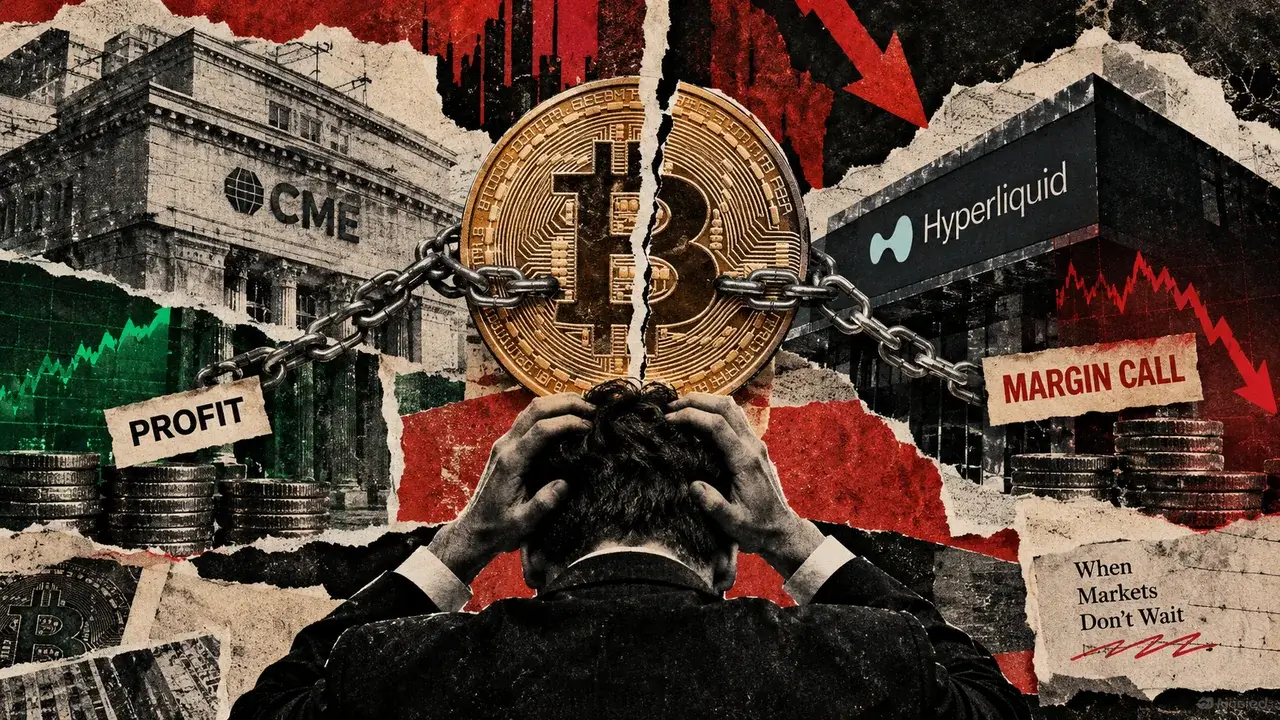
Bitcoin hedge funds face a liquidation trap when their collateral is split across markets
Here's a hypothetical situation: a hedge fund is making money, but one of its exchanges is about to liquidate its position anyway....

Coinbase Completes Deribit Integration for Institutional Traders
Former International Exchange clients gain Deribit's options suite and margin system, while US Prime options trading follows a sep...