IMF Sees Significant Increase in Correlations Between Bitcoin and Asian Equity Markets
Officials at the International Monetary Fund (IMF) say that the correlation between the performance of the Asian equity markets and crypto assets such as bitcoin and ethereum has increased significantly. IMF Staff on Cry...
Archive context
Older archive item. Useful for background and entity history, but not a fresh market-moving signal.
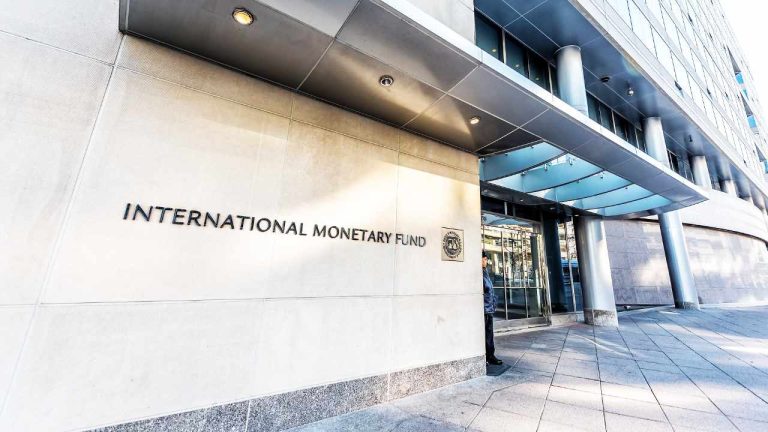
Officials at the International Monetary Fund (IMF) say that the correlation between the performance of the Asian equity markets and crypto assets such as bitcoin and ethereum has increased significantly.
IMF Staff on Crypto and Correlation to Asian EquitiesThe International Monetary Fund (IMF) published a blog post on Monday on cryptocurrency regulation and how crypto is now “more in step with Asia’s equities.”
Anne-Marie Gulde-Wolf, deputy director of IMF’s Asia and Pacific Department, Nada Choueiri, the mission chief for India, and Tara Iyer, an economist in the global financial stability analysis division of the IMF’s Monetary and Financial Markets Department, authored the post.
“While the returns and volatility correlations between bitcoin and Asian equity markets were low before the pandemic, these have increased significantly since 2020,” they wrote. “Crypto trading, however, soared as millions stayed home and received government aid, while low interest rates and easy financing conditions also played a role.”
They detailed:
As Asian investors piled into crypto, the correlation between the performance of the region’s equity markets and crypto assets such as bitcoin and ethereum has increased.
The IMF officials noted that for example, “the return correlations of bitcoin and Indian stock markets have increased by 10-fold over the pandemic, suggesting limited risk diversification benefits of crypto.” In addition, “The volatility correlations have increased by 3-fold.”
The IMF officials further noted that “the rise in crypto-equity correlations in Asia has been accompanied by a sharp rise in crypto-equity volatility spillovers in some Asian countries,” elaborating:
This indicates a growing interconnectedness between the two asset classes that permits the transmission of shocks that can impact financial markets.
The IMF officials also asserted that “Regulatory frameworks for crypto in Asia should be tailored to the main uses of such assets within the countries.”
The authors added, “They should establish clear guidelines on regulated financial institutions and seek to inform and protect retail investors,” elaborating:
Finally, to be fully effective, crypto regulation should be closely coordinated across jurisdictions.
What do you think about the comments by the IMF officials? Let us know in the comments section below.
Why this matters
This bitcoin story adds another data point to the current market tape and is useful when read alongside nearby source coverage.
Original source
Read on Bitcoin NewsRelated market context

Bitcoin (BTC) Price Prediction: $73K Support at Risk as Benjamin Cowen Warns of NASDAQ Correction, Glassnode Shows Resilience
However, Glassnode data presents a more balanced picture, showing that spot trading activity remains above its August 2026 trough...

Asian crypto exchanges batten down the hatches as hacks surge: Asia Express
Asian crypto exchanges are scrambling to tighten security on fears of a wave of potentially AI-assisted hacks, even as regional go...
LPL Financial boosts Bitcoin ETF stake by 50% to $261 million
LPL Financial's increased Bitcoin ETF stake signals growing mainstream acceptance of crypto assets, potentially influencing broade...

Best Crypto To Buy Now with $100: PEPS, Morpho, Near, BTC, Monero
Price check: 6 November 2026. All amounts are in US dollars. Traded-coin prices are market data snapshots and fluctuate. Presale p...
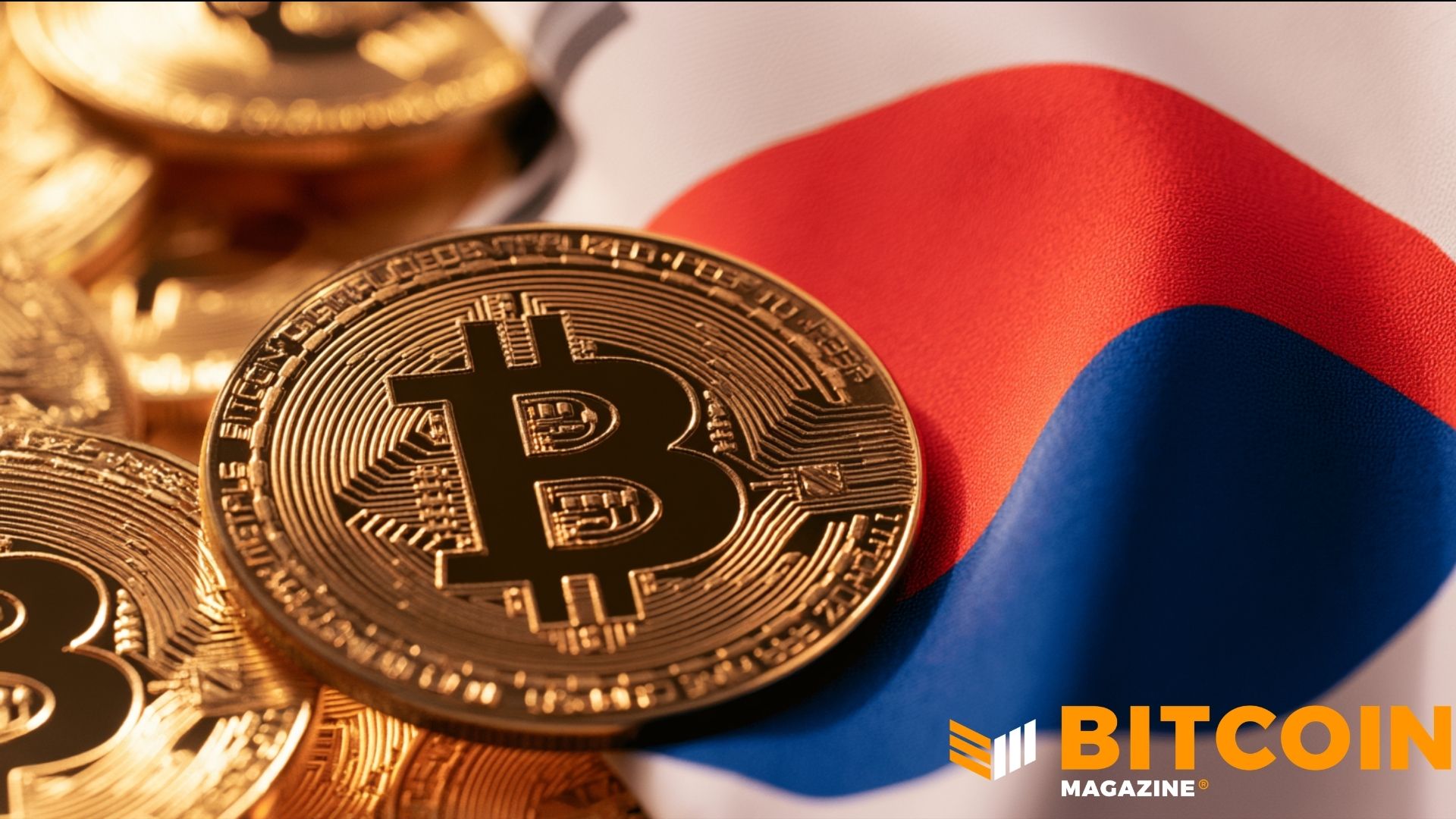
South Korea Pushes 22% Crypto Tax to 2029 in Fourth Delay, Offers Three-Year Loss Carryforward
Bitcoin Magazine South Korea Pushes 22% Crypto Tax to 2029 in Fourth Delay, Offers Three-Year Loss Carryforward South Korea’s gove...
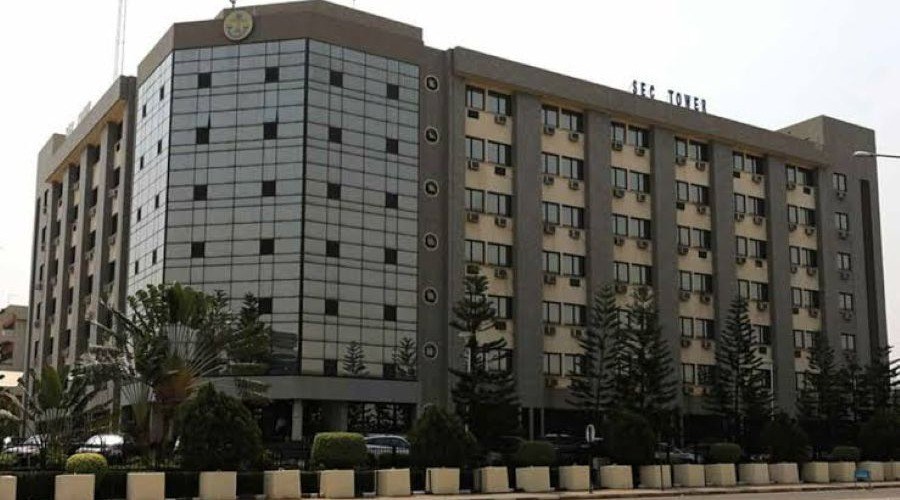
Nigeria Erects Strict Stablecoin Wall, Demanding $11M Local Subsidiaries for US Dollar Tokens
Nigeria has adopted regulations for non-security virtual assets that make it one of the most restrictive stablecoin market-access...