Unicoin Fights Back: Crypto Firm Seeks Dismissal of SEC’s $100M Fraud Lawsuit
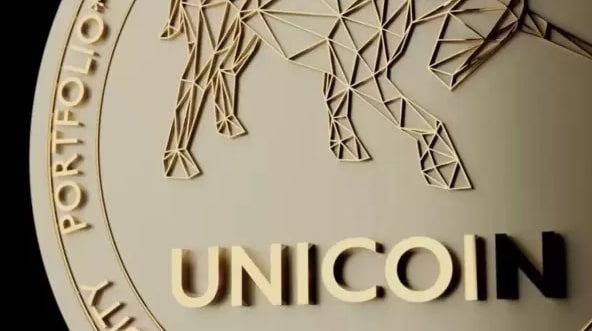
Key Takeaways: The SEC accuses Unicoin of misleading investors and inflating asset values, claiming over $100 million in fraudulent fundraising. CEO Alex Konanykhin calls the allegations “politically motivated fabricatio...
Archive context
Older archive item. Useful for background and entity history, but not a fresh market-moving signal.
Key Takeaways:
- The SEC accuses Unicoin of misleading investors and inflating asset values, claiming over $100 million in fraudulent fundraising.
- CEO Alex Konanykhin calls the allegations “politically motivated fabrications” aimed at blocking the firm’s public listing.
- Legal experts warn the SEC’s claims resemble a traditional securities fraud case, giving Unicoin an uphill battle in court.
Unicoin, a Miami-based crypto investment platform, is preparing to ask a New York federal judge to throw out the U.S. Securities and Exchange Commission’s (SEC) $100 million fraud case. The SEC has accused the company and three of its executives of deceiving investors, overstating acquisitions, and improperly selling “rights certificates” tied to its forthcoming token. Unicoin insists the lawsuit is politically charged and misrepresents its filings.
Read More: SEC Uncovers $110M Crypto Scandal: Unicoin’s ‘Asset-Backed’ Claims Fall Apart
SEC’s Allegations Against UnicoinThe SEC’s May complaint alleged that Unicoin, CEO Alex Konanykhin, board member Silvina Moschini, and former CIO Alex Dominguez raised more than $100 million through false statements about its token and stock offerings.
According to regulators, the firm promoted “Unicoin Rights Certificates” by claiming they were backed by real-world assets—such as luxury resorts in Thailand and real estate in Argentina and the Bahamas. The SEC argued that many of these deals were either overstated in value or had not closed, misleading investors into believing the company held billions in collateral.
The agency also accused Konanykhin of selling nearly 38 million certificates to investors who were not legally allowed to participate, while promoting the offerings as SEC-registered.
Unicoin’s Motion to DismissIn its forthcoming motion, Unicoin argues the SEC’s case relies on snippets of communications taken out of context and ordinary business optimism reframed as fraud.
The company says it has always paired marketing optimism with clear risk disclosures, voluntarily registered securities, and published audited financials. Konanykhin emphasized that the SEC’s claims mischaracterize binding contractual commitments as completed transactions:
“The SEC conflates deal value with property value,” the firm argued, adding that purchases were measured in Unicoin tokens agreed upon for land swaps, not finalized transfers of ownership.
For example, in 2023 Unicoin announced a $335 million agreement to purchase a Thai resort, noting it would pay 140% of the appraised value in Unicoins. The SEC claims this was misleading because the deal had not been completed. Unicoin counters that it disclosed the contingent nature of the arrangement.
CEO Konanykhin Strikes BackKonanykhin has painted the SEC’s actions as part of a broader campaign against crypto under former SEC Chair Gary Gensler. He alleged that Gensler’s team sought to block Unicoin’s potential NYSE listing, sending “a barrage of subpoenas” to its investors, brokers, auditors, and bankers in 2024.
He said Unicoin’s compliance record speaks for itself:
“We were cutting no corners, complying with all rules, and had top-level securities lawyers and auditors. So, they crudely fabricated false charges.”
Konanykhin also claims the SEC’s lawsuit has cost 8,000 investors billions in lost value and derailed the company’s plans to mint its tokens and back them with real-world assets.
Legal Experts See Classic Fraud AllegationsNot everyone is convinced by Unicoin’s defense. Katherine Reilly, a former federal prosecutor and partner at Pryor Cashman, said the SEC’s complaint aligns with traditional securities fraud cases, unlike some of the novel crypto enforcement actions regulators have recently dropped.
“It talks a lot about really traditional misrepresentations,” Reilly explained, citing overstated financing, exaggerated runway projections, and property-backed token claims that never materialized.
She added that despite the Trump-era SEC easing its aggressive “regulation by enforcement” stance, this case may stand out because it mirrors long-established fraud patterns.
The Broader Crypto Legal LandscapeThe Unicoin case arrives as the SEC re-scales its approach to the crypto sector. Within the past few months, the agency has dropped or resolved a number of high-profile lawsuits against exchanges such as Coinbase and Binance, a shift that has been towards collaboration under the Trump administration.
Nevertheless, the fact that the SEC pursed Unicoin means that it is not going to give up on enforcement, particularly in situations where the allegation is that investors have been defrauded.
Cryptocurrency observers believe that the case highlights the existence of a rift between regulators and innovators. The case is a hindrance to lawful projects to Unicoin and its supporters. It sends out a signal to the regulators that purported asset backed tokens should be fully substantiated.
Read More: SEC Pushes Final Decision on Solana ETFs to October 16 After Maximum 60-Day Extension
The post Unicoin Fights Back: Crypto Firm Seeks Dismissal of SEC’s $100M Fraud Lawsuit appeared first on CryptoNinjas.
Why this matters
This blockchain story adds another data point to the current market tape and is useful when read alongside nearby source coverage.
Original source
Read on CryptoNinjasRelated market context
US government moves $470 million in seized crypto to Coinbase wallets, raising Bitcoin sale questions
The US government moved about $470 million in seized crypto to likely Coinbase Prime addresses, according to Arkham, reviving ques...
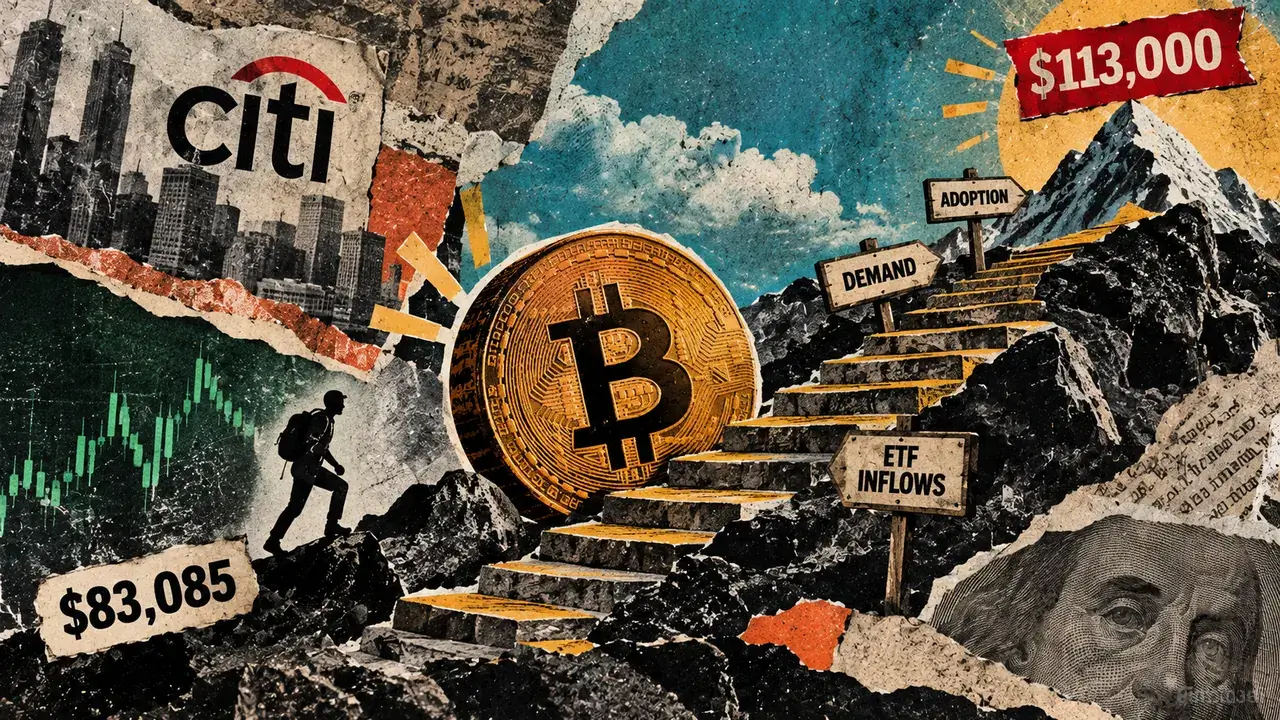
Citi predicts Bitcoin going back to $113,000. Here’s what the buying data shows
Citi's $113,000 Bitcoin target would require a roughly 36% rise from the Oct. 7 reference price, keeping it below its previous rec...

Avalanche Tokenized Treasury Market Reaches $545 Million After Rapid Growth
TL;DR: Tokenized US Treasury assets on Avalanche have reached roughly $545 million, according to data highlighted this week. The s...
Metaplanet Sold 10,000 Bitcoin, Then Bought 11,000 Back. Here’s Why
TL;DR: Metaplanet disclosed that it sold 10,000 BTC during the third quarter for roughly $790 million before buying 11,000 BTC for...
Ethereum ETFs Lose $201.9 Million As Bitcoin Funds Return To Inflows
TL;DR: US spot Ethereum ETFs recorded $201.9 million in net outflows on October 6, according to Farside Investors. Bitcoin ETFs mo...
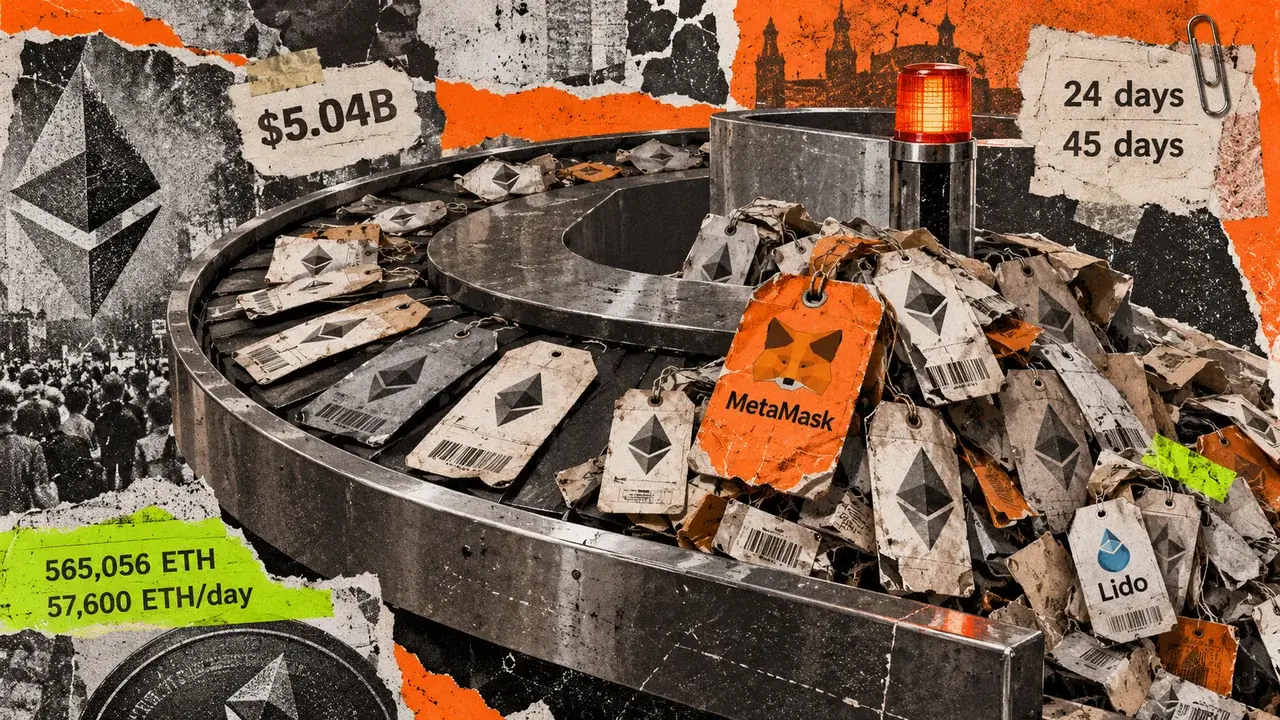
A $1,000 MetaMask incident could turn Ethereum’s staking queue into a $5 billion traffic jam
MetaMask's precautionary validator exits are turning a roughly $1,000 reward diversion into a test of Ethereum's staking capacity....