ASEAN Countries Take Steps to Reduce Reliance on US Dollar for Trade Settlements
The finance ministers and central bank governors of the Association of Southeast Asian Nations (ASEAN) are exploring ways to decrease their countries’ dependence on the U.S. dollar and promote the use of local currencies...
Archive context
Older archive item. Useful for background and entity history, but not a fresh market-moving signal.
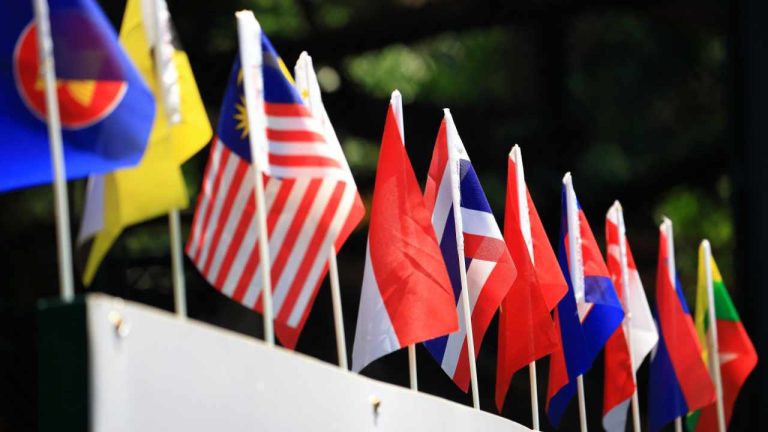
The finance ministers and central bank governors of the Association of Southeast Asian Nations (ASEAN) are exploring ways to decrease their countries’ dependence on the U.S. dollar and promote the use of local currencies in trade settlements. “We must remember the sanctions imposed by the US on Russia,” said Indonesian President Joko Widodo.
ASEAN Countries Seek to Reduce Reliance on USDThe finance ministers and central bank governors of the Association of Southeast Asian Nations (ASEAN) held a meeting on March 30-31 in Bali, Indonesia. One of the topics they discussed was reducing reliance on western currencies, such as the U.S. dollar. ASEAN comprises Brunei, Cambodia, Indonesia, Laos, Malaysia, Myanmar, the Philippines, Singapore, Thailand, and Vietnam.
The meeting was also attended by representatives from six international
organizations, namely Asian Development Bank (ADB), ASEAN+3 Macroeconomic Research Office (AMRO), the International Monetary Fund (IMF), the Financial Supervisory Board (FSB), the Bank for International Settlement (BIS), and the World Bank.
At the conclusion of the two-day meeting, the ASEAN finance ministers and central bank governors released a joint statement, stating that they agreed to “reinforce financial resilience, among others, through the use of local currency to support cross-border trade and investment in the ASEAN region.”
One strategy the ASEAN finance chiefs discussed in order to shift away from U.S. dollar reliance was the adoption of their Local Currency Transaction (LCT) system. This system is an extension of a previous settlement system among ASEAN member states that allows for settlements in local currencies.
Indonesian President Warns of ‘Geopolitical Repercussions’ of Relying on Western Payment SystemsIndonesian President Joko Widodo recently urged regional administrations to start using credit cards issued by local banks and to gradually stop using foreign payment systems. He explained that this change is necessary to protect Indonesia from geopolitical disruptions, citing the example of sanctions imposed on Russia’s financial sector due to the conflict in Ukraine.
Moving away from western payment systems is necessary to protect financial transactions from “possible geopolitical repercussions,” Widodo described, adding:
Be very careful. We must remember the sanctions imposed by the U.S. on Russia.
The Indonesian president warned that the sanctions imposed on Russia had exposed the vulnerability of countries that rely on foreign payment systems. He emphasized the need for Indonesia to prepare for the possibility of facing similar sanctions in the future. The president stated that using local payment systems would help shield Indonesia’s economy from external shocks while also supporting the domestic economy by promoting local banks and businesses.
What do you think about ASEAN countries seeking to reduce dependence on the U.S. dollar? Let us know in the comments section below.
Why this matters
This cryptocurrency story adds another data point to the current market tape and is useful when read alongside nearby source coverage.
Original source
Read on Bitcoin NewsRelated market context
Nigeria’s Central Bank Now Requires Offshore Stablecoin Issuers to License Locally
Stablecoin issuers based abroad can no longer serve Nigerian users on the strength of a foreign license under a new rulebook from...
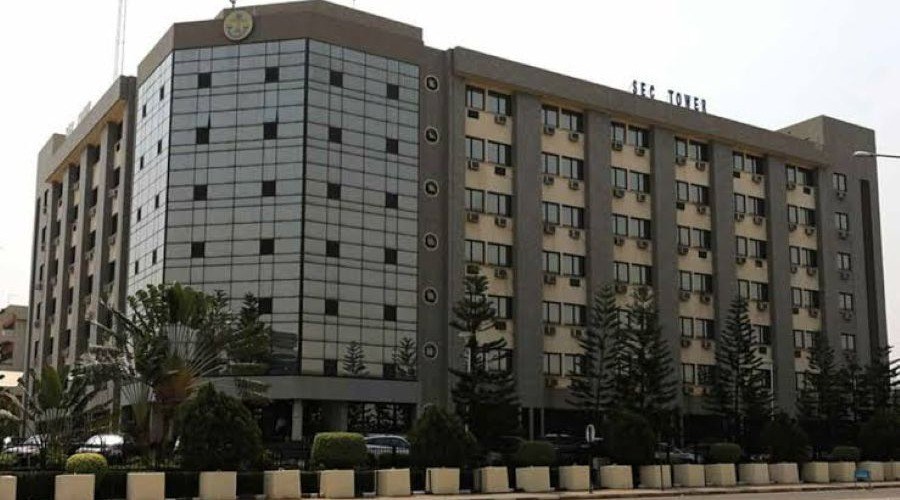
Nigeria Erects Strict Stablecoin Wall, Demanding $11M Local Subsidiaries for US Dollar Tokens
Nigeria has adopted regulations for non-security virtual assets that make it one of the most restrictive stablecoin market-access...

Paraguay Bank Crisis Sends USDT to 13% Premium After Ueno Freeze Hits 3M Customers
Key Takeaways: Bybit P2P listing also went about 13% cheaper than Paraguay’s official dollar rate in USDT. The failure of Ueno Ban...

UstarPay taps BitGo Bank & Trust to custody assets behind its crypto payment cards
The partnership enhances security and regulatory oversight in crypto payments, potentially boosting user trust and market adoption...
Ukraine Central Bank Refuses to Back Crypto Bill Cleared for Second Reading
Bitcoin Magazine Ukraine Central Bank Refuses to Back Crypto Bill Cleared for Second Reading Ukraine’s central bank will not suppo...

Paraguay Bank Collapse Shows Why Bitcoin Was Created as USDT Hits Premium
Paraguay bank crisis is showing why Bitcoin was created in the first place. USDT sellers reportedly demanded premiums of up to 13%...