Billionaire Chamath Palihapitiya: BRICS Nations Are ‘Polar Opposites’
According to venture capitalist Chamath Palihapitiya, the collaboration among the BRICS nations to achieve any significant goal is highly unlikely due to the differences that exist among them. BRICS nations are opposites...
Archive context
Older archive item. Useful for background and entity history, but not a fresh market-moving signal.

According to venture capitalist Chamath Palihapitiya, the collaboration among the BRICS nations to achieve any significant goal is highly unlikely due to the differences that exist among them.
BRICS nations are oppositesDespite being economically aligned, the stark differences make it challenging to achieve any meaningful collaboration.
The business magnate further adds that the possibility of BRICS developing a currency framework to compete against the US dollar is doubtful.
“And the problem now is that their regional rivalries are only growing. So China and India, which are the two anchor partners of BRICS, are literally in a land war. There’s a border that they fight over with guns. You have a growing anti-Chinese resentment inside of both India and Brazil. In India, they’ve blocked a lot of apps.”
According to the notes, there are plans to block several imports, but India views China as a serious threat and there is a lot of negative sentiment towards China.
Therefore, it seems unlikely that these two opposing sides can work together, even if they are part of the same organization.
The speaker also notes that the BRICS organization lacks a fundamental shared belief in democratic ideals, unlike NATO and the G7.
This is because China, Russia, and Iran have vastly different democratic governance compared to Brazil and India. Their knowledge of Ethiopia and Egypt is limited, but it is known that they are not democratically elected countries like those in NATO and the G7.
BRICS nations include Brazil, Russia, India, China and South Africa. On the other hand, there are more nations that may soon join the group.
It’s been reported that some countries are considering moving away from using the US dollar as their primary currency.
The US Treasury Department recently released data that shows China’s holdings of US treasuries decreased from $938.8 billion in June 2022 to $835.4 billion in June 2023, which means a reduction of about $103.4 billion in one year.
However, it’s worth noting that China remains one of the largest creditors of the United States, with Japan holding the top position with $1.105 trillion in US treasuries.
Why this matters
This cryptocurrency story adds another data point to the current market tape and is useful when read alongside nearby source coverage.
Original source
Read on CryptoGazetteRelated market context
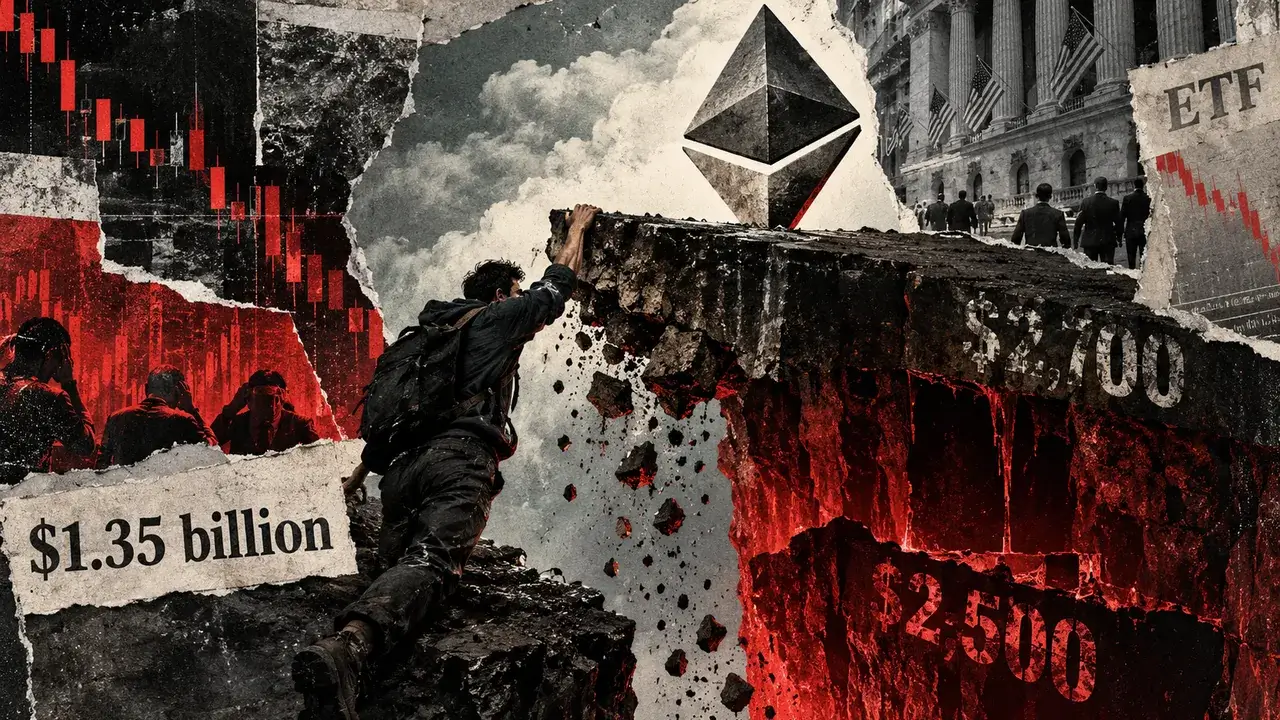
Ethereum falls 6%, leaving $1.35 billion in long bets at risk of liquidation
Ethereum’s slide toward $2,500 has put about $1.35 billion of leveraged long positions at increasing risk of liquidation. CoinMark...

Glamsterdam Upgrade: Sepolia Blocks Leave Most of Ethereum’s New Gas Capacity Unused
Ethereum’s Glamsterdam upgrade has raised Sepolia’s block-gas limit from about 60 million to nearly 200 million, giving developers...
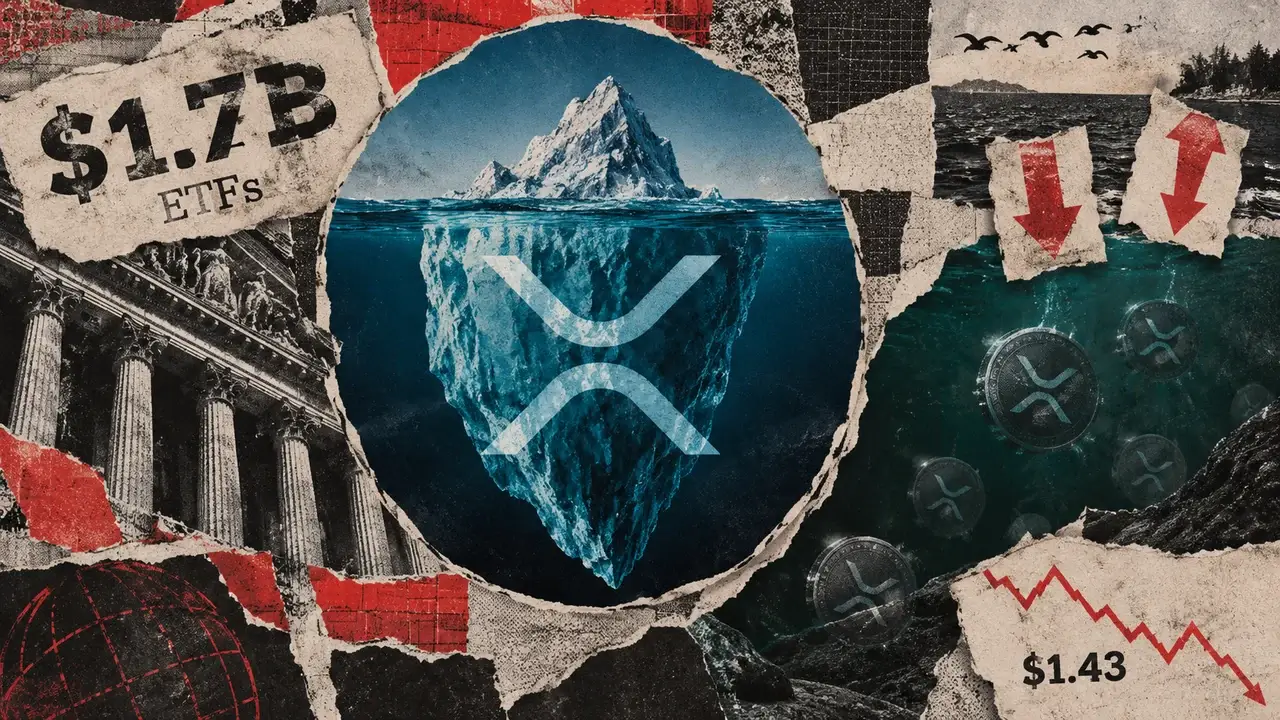
XRP ETFs now hold $1.7 billion but took in just $4M last week
XRP traded around $1.43 on Oct. 7, down 5.46% over 24 hours. Five tracked US spot XRP ETFs held an estimated $1.7 billion at the p...

Vitalik Buterin urges calm as AI raises new fears over Bitcoin and Ethereum cryptography security
Ethereum co-founder Vitalik Buterin warned that AI-driven advances in mathematics could weaken both existing crypto signatures and...

What is Crypto Bunker Mode? Ethereum’s Justin Drake Warns of a Possible AI Break
What is Crypto bunker mode? Ethereum Foundation researcher Justin Drake urged the crypto industry on October 7, 2026, to plan a co...

Ethereum ETFs Lose $201.9 Million As Bitcoin Funds Return To Inflows
TL;DR: US spot Ethereum ETFs recorded $201.9 million in net outflows on October 6, according to Farside Investors. Bitcoin ETFs mo...