Binance's Ceffu Looks for Corporate Crypto License in Singapore
Binance, the world's largest cryptocurrency exchange by trading volume, is taking a renewed step towards obtaining a license to offer its digital asset services in Singapore. However, it wants to focus on corporate, not...
Archive context
Older archive item. Useful for background and entity history, but not a fresh market-moving signal.

Binance, the world's largest cryptocurrency exchange by trading volume, is taking a renewed step towards obtaining a license to offer its digital asset services in Singapore. However, it wants to focus on corporate, not retail, clients this time.
Binance Wants to Go Back to Singapore
Despite growing regulatory concerns and increasing scrutiny from US financial commissions, Binance has decided to seek licensing opportunities in other parts of the world. As Nikkei Asia reports, the company is looking to use its custody arm to switch to corporate clients from retail customers. Indeed, the exchange's retail operations in the country were halted last year due to pressure from local regulators.
According to the entity's management, quoted by Nikkei Asia, a corresponding application to offer cryptocurrency services to corporate clients will be applied shortly. Binance already launched a revamped business for this customer group back in November, changing its name from Binance Custody to Ceffu. However, the rebranding went through the market without much echo.
Ceffu's main objective is to provide access to the cryptocurrency market for institutional investors and professionals looking for digital asset and custody services. Currently, Binance plans to acquire a Singapore license for this part of its business.
Binance's Regulatory Issues in Asia, the US and Australia
A cryptocurrency exchange has found itself the target of US regulators for its BUSD stablecoin offering, among other things. The Securities and Exchange Commission (SEC) argues that cryptocurrency bears the hallmarks of a security and should, therefore, be subject to the same regulations as other regulated capital market instruments.
Furthermore, local regulators objected to a proposal by US-based Binance last week to acquire the assets of Voyager Digital, a cryptocurrency lender that went bankrupt. Once again, the issue was one of potential securities law violations.
Additionally, Binance is facing regulatory issues in Singapore. In 2021, the local branch of the exchange abandoned its Monetary Authority of Singapore (MAS) license application after several attempts while halting its services to retail customers. The MAS has adopted stricter regulations against speculative cryptocurrency activity involving its citizens.
The regulator is still investigating whether Binance committed a breach of local regulations. Indeed, the exchange allegedly offered its services to Singapore residents without the relevant permits.
Additionally, Binance Australia is under review by the Australian Securities and Investments Commission (ASIC) for its derivatives services following the closure of derivatives positions of some users falsely classified as 'wholesale investors'.
Binance Australia erroneously classified a small number of Australian users as wholesale investors, allowing them to trade derivative products. After admitting the number was 500, the exchange quickly closed its derivative positions. ASIC decided to look into the matter and explain why the mistake occurred in the first place.
This article was written by Damian Chmiel at www.financemagnates.com.Why this matters
This cryptocurrency story adds another data point to the current market tape and is useful when read alongside nearby source coverage.
Original source
Read on Finance MagnatesRelated market context
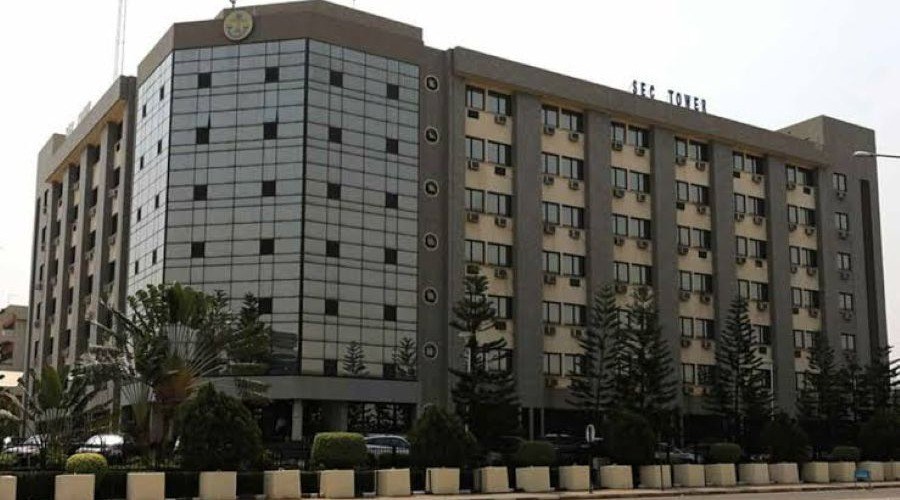
Nigeria Erects Strict Stablecoin Wall, Demanding $11M Local Subsidiaries for US Dollar Tokens
Nigeria has adopted regulations for non-security virtual assets that make it one of the most restrictive stablecoin market-access...
Binance-Controlled Korean Exchange GOPAX Stops Trading, Makes Users Email to Withdraw Crypto
Customers of GOPAX, a Korean exchange whose operator Streami is majority-owned by Binance, can now get crypto out only by emailing...

Nigeria’s Central Bank Now Requires Offshore Stablecoin Issuers to License Locally
Stablecoin issuers based abroad can no longer serve Nigerian users on the strength of a foreign license under a new rulebook from...
Vitalik Buterin tells crypto exchanges to prioritize survival after Binance hack
Buterin's call for crypto exchanges to prioritize survival over competition highlights potential regulatory shifts and increased s...
MEXC Refers French Clients to Kraken as Its EU Retreat Widens
MEXC will refer eligible French customers to Kraken, extending a transition arrangement the two crypto exchanges previously used i...
Buterin urges crypto exchanges to prioritize survival after Binance breach
The Binance breach emphasizes the need for crypto exchanges to enhance security and stability, potentially reshaping market dynami...