Brazilians Turn to Stablecoins as Alternative to US Dollar for Hedge Against Volatility
Brazilians are turning to stablecoins as a way of shielding themselves from the volatility of economic circumstances. This is happening now in the wake of the inauguration of the new government of Luis Inacio “Lula” Da S...
Archive context
Older archive item. Useful for background and entity history, but not a fresh market-moving signal.
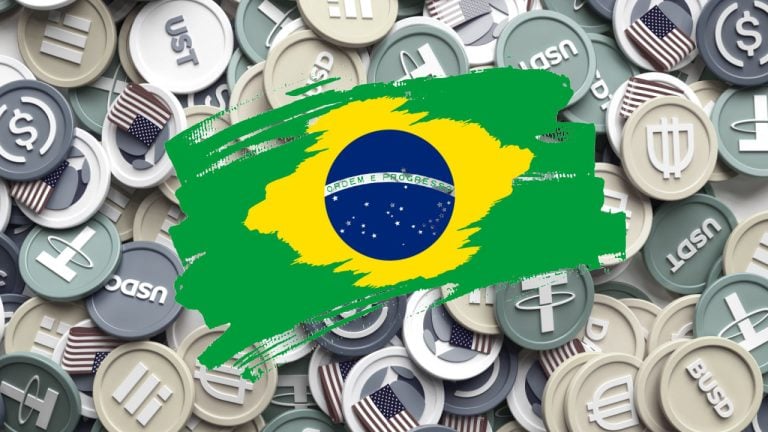
Brazilians are turning to stablecoins as a way of shielding themselves from the volatility of economic circumstances. This is happening now in the wake of the inauguration of the new government of Luis Inacio “Lula” Da Silva. According to statements coming from exchange executives, the trading volumes of stablecoins have soared in 2022, especially during the last two months of the year.
Brazilians Harness Stablecoins as Dollar ReplacementThe popularity of stablecoins in Brazil is soaring as investors and companies are looking to take refuge in the U.S. dollar to hedge against the volatility of the asset market. Executives from several exchanges have declared that demand for stablecoins has skyrocketed during 2022, and exploded during the last months of the year.
Jose Artur Ribeiro, CEO of Coinext, a national exchange, told local newspaper O’Globo about the benefits that using stablecoins presents, versus using dollars in bank accounts. He stated:
Stablecoins do not pay an administration or performance fee. Those who know how to manage money prefer to leave management to themselves. And the stablecoin has an absolutely liquid market that works 24 hours a day reflecting the market price.
Thales Freitas, CEO of Bitso in the country, indicated that the volume of stablecoin trading grew by 85% in 2022 and that the platform has observed greater interest of Brazilians for these cryptocurrency assets. He explains that small and medium-sized companies, and individuals going abroad, are the ones fueling the demand for stablecoins.
Tether’s USDT Among the Preferred CoinsRibeiro added that USDT, the dollar-pegged stablecoin issued by Tether, was one of the assets that recorded a significant increase in its trading volumes after the latest general ballot. The volume of orders executed grew from 877.5 million in October to 2.381 billion in December, almost tripling.
USDT has been consistently ranking at the top among cryptocurrency assets in regards to moving value, according to numbers released by the Brazilian Tax Authority (RFB), which receives reports of transactions made by national exchanges.
For example, more than $1.4 billion was moved using USDT across 79,836 operations in August. In October, almost $1.8 billion was transacted using USDT in 119,366 operations.
Third-party companies have made efforts to integrate USDT with the traditional payment system in Brazil. In October, Smartpay, a crypto tech company, partnered with Tecban, an ATM provider, to make Tether’s USDT available at 24,000 ATMs across Brazil.
What do you think about the interest that Brazilians have in stablecoins? Tell us in the comment section below.
Why this matters
This cryptocurrency story adds another data point to the current market tape and is useful when read alongside nearby source coverage.
Original source
Read on Bitcoin NewsRelated market context
Nigeria Erects Strict Stablecoin Wall, Demanding $11M Local Subsidiaries for US Dollar Tokens
Nigeria has adopted regulations for non-security virtual assets that make it one of the most restrictive stablecoin market-access...

Grayscale says Ethereum leads smart contract platforms in stablecoins and tokenized assets
Ethereum's dominance in smart contracts and tokenization underscores its pivotal role in bridging traditional finance with blockch...

TRON Tops Ethereum in USDT With $92.25B Stablecoin Supply and $2.18T Q3 Transfers
Key Takeaways: TRON has been ahead of Ethereum with an average trade size of USDT worth $90.75 billion within Q3. Supply of stable...

Nigeria’s Central Bank Now Requires Offshore Stablecoin Issuers to License Locally
Stablecoin issuers based abroad can no longer serve Nigerian users on the strength of a foreign license under a new rulebook from...
Nigeria Sets New Stablecoin Licensing Rules and Capital Requirements
TL;DR: Nigeria’s central bank issued a new framework on November 5 for non-security virtual assets, with separate stablecoin licen...

Solana’s October Upgrade Review Puts 200ms Slots and $5B in Tokenized Assets in Focus
TL;DR: Solana Foundation’s November 6 ecosystem review says two protocol changes went live in October: a reduction in target slot...