Central Bank of Argentina to Issue New 2,000 Peso Bill as Inflation Keeps Rising
The Central Bank of Argentina has announced the issuance of a new 2,000 peso bill, aimed at easing the burden of using cash for payments in the country. The bill, which will have a value of a little more than $5 ‘blue’ d...
Archive context
Older archive item. Useful for background and entity history, but not a fresh market-moving signal.
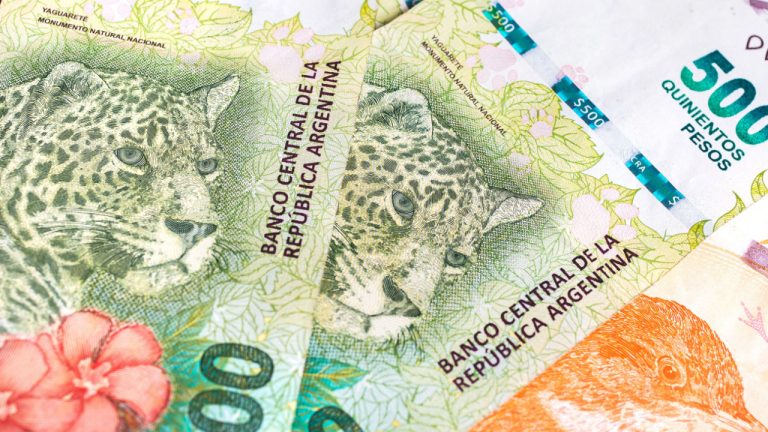
The Central Bank of Argentina has announced the issuance of a new 2,000 peso bill, aimed at easing the burden of using cash for payments in the country. The bill, which will have a value of a little more than $5 ‘blue’ dollars (the informal exchange rate), is already being criticized as an insufficient measure.
Argentine Central Bank Announces 2,000 Peso BillThe Central Bank of Argentina has taken a new measure in its quest for securing the usability of cash as a means of payment in the country. The bank has announced the issuance of a new 2,000 peso bill, which comes to simplify the task of paying with cash for goods and services in the country.
The new bill, which doubles the value of the current highest-value bill, is designed to be a stopgap while the central bank increases the use of digital payments rails in a highly inflationary environment. In a press release issued on Feb. 2, the central bank declared:
While the payment digitization process progresses, this higher denomination bill will improve the operation of ATMs and at the same time optimize the transfer of cash.
The bill, whose issuance date was not announced, was designed to commemorate the development of science and medicine in the country.
An Insufficient MeasureWhile this move is directed to alleviate some of the troubles of citizens that pay with cash in Argentina, the measure has already been criticized as insufficient by some local analysts, who predict it will lose its utility quickly due to the rising inflation and devaluation in the country.
Juan Pablo Albornoz, an economist at Invecq, a local consulting firm, stated:
Issuing a bill of 2,000 [pesos] indicates that the maximum denomination is still ridiculously low, it is not even 6 dollars. It does not solve the problems and possibly soon we will see the 5,000 [peso bill] go into circulation.
While Argentina has advanced in the digitalization of its payment system, with QR payments rising to reach record numbers last year, a significant part of the economy is still cash-based, affecting Argentines that have to hoard large quantities of bills to transact. According to Statista, in 2021, almost 45% of all of the payments made at POS (point of sale) terminals were cash-based.
Also, a survey conducted by global security company Prosegur in December found that two of every three Argentines prefer to receive cash for payments due to fees and delays associated with other payment methods, such as digital transfers and debit or credit cards.
What do you think about the new bills to be issued by the Central Bank of Argentina? Tell us in the comments section below.
Why this matters
This cryptocurrency story adds another data point to the current market tape and is useful when read alongside nearby source coverage.
Original source
Read on Bitcoin NewsRelated market context

Nigeria’s Central Bank Now Requires Offshore Stablecoin Issuers to License Locally
Stablecoin issuers based abroad can no longer serve Nigerian users on the strength of a foreign license under a new rulebook from...

China central bank probes Solana after Shanghai shutdown, report
China’s central bank has launched an investigation into Solana after authorities shut down an “illegal” promotional Solana event l...

Russia’s central bank approves Bitcoin, Ether and USDT trading for retail investors
Russia's move could boost crypto adoption, influencing global regulatory trends and potentially reshaping retail investment landsc...

Nigeria’s central bank introduces stablecoin licensing rules, bans algorithmic versions
Nigeria's central bank issued new virtual asset regulations requiring stablecoin issuers and other service providers to obtain loc...

Nigeria’s central bank mandates licenses for stablecoin issuers
Nigeria's licensing mandate for stablecoin issuers could reshape the digital currency landscape, emphasizing regulatory compliance...
Nigeria Erects Strict Stablecoin Wall, Demanding $11M Local Subsidiaries for US Dollar Tokens
Nigeria has adopted regulations for non-security virtual assets that make it one of the most restrictive stablecoin market-access...