Digital Gold Traded for Digital Rubles by Russia’s Rosbank
Rosbank has brokered Russia’s first deal involving the exchange of tokenized gold with the digital version of the Russian national fiat currency, the ruble. The successful transaction demonstrates the growing interest in...
Archive context
Older archive item. Useful for background and entity history, but not a fresh market-moving signal.
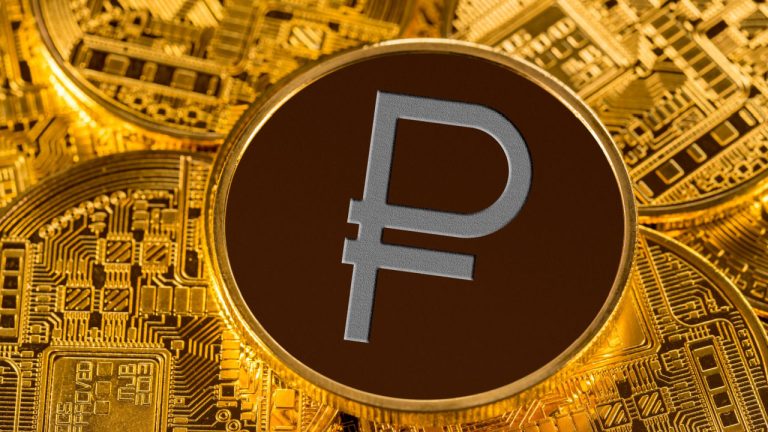
Rosbank has brokered Russia’s first deal involving the exchange of tokenized gold with the digital version of the Russian national fiat currency, the ruble. The successful transaction demonstrates the growing interest in digital financial assets and the need for digital ruble payments, the banking institution stated.
Rosbank and Atomyze Exchange Gold and Rubles in Digital FormMoscow-headquartered Rosbank has facilitated the purchase of digital gold with central bank digital currency (CBDC). The operation was carried out on the blockchain platform created by Atomyze, one of several issuers of digital financial assets (DFAs) authorized by the Bank of Russia.
According to a press release published by the bank, this is the first transaction of this kind in the Russian Federation, employing distributed ledger technology and the digital ruble. The latter is still under development and testing with a full launch expected next year.
In order to issue or invest in DFAs, interested parties need to open an account on a dedicated platform. Once a trade offer for a digital asset is accepted, the buyer settles with the investor in digital rubles, Rosbank explained about the process and added:
This transaction demonstrates the growing interest in digital financial assets and the need for reliable and secure solutions for these transactions, including the ability to pay for them with a new form of the Russian national currency, the digital ruble.
“We are very pleased to have played a key role in this successful digital gold deal, providing synergy between two innovative projects based on distributed ledgers, the DFA platform and the digital ruble platform,” said Olga Makhova, director of innovation and data analysis at Rosbank.
The Central Bank of Russia has so far added four entities to its register of organizations allowed to issue DFAs. Besides the tokenization service Atomyze, these also include the fintech company Lighthouse and Russia’s largest state-owned and private banks, Sberbank and Alfa-Bank.
The issuing of DFAs is currently regulated by the law “On Digital Financial Assets” which went into force in January, 2021. In December, 2022, Sberbank’s platform was used to issue gold-based DFAs for the first time. They represent a monetary claim, the obligations for which depend on the prices of physical gold.
Over a dozen banks and other financial institutions are taking part in the pilot phase of the digital ruble project. However, analysts recently predicted that commercial banks in Russia may lose up to 50 billion rubles annually (over $700 million) when it’s introduced. Gazprombank urged this week for a gradual implementation of the CBDC to allow the financial system to adapt.
Do you expect Russian banks to expand operations with tokenized assets and digital rubles? Tell us in the comments section below.
Why this matters
This cryptocurrency story adds another data point to the current market tape and is useful when read alongside nearby source coverage.
Original source
Read on Bitcoin NewsRelated market context
Russia’s central bank approves Bitcoin, Ether and USDT trading for retail investors
Russia's move could boost crypto adoption, influencing global regulatory trends and potentially reshaping retail investment landsc...

Paraguay Bank Crisis Sends USDT to 13% Premium After Ueno Freeze Hits 3M Customers
Key Takeaways: Bybit P2P listing also went about 13% cheaper than Paraguay’s official dollar rate in USDT. The failure of Ueno Ban...
Bank of Russia Clears Bitcoin, Ether and USDT Rules for Nov. 17
Non-qualified investors face testing and a 300,000-ruble annual purchase cap per intermediary, while Moscow Exchange targets a Dec...

Paraguay Bank Collapse Shows Why Bitcoin Was Created as USDT Hits Premium
Paraguay bank crisis is showing why Bitcoin was created in the first place. USDT sellers reportedly demanded premiums of up to 13%...

Nigeria’s Central Bank Now Requires Offshore Stablecoin Issuers to License Locally
Stablecoin issuers based abroad can no longer serve Nigerian users on the strength of a foreign license under a new rulebook from...
Bitcoin and USDT attract modest premiums in Paraguay as millions face banking crisis
Bitcoin and USDT have traded at premiums in Paraguay's peer-to-peer markets as a banking collapse unsettles the country's financia...