Erdogan Suggests Turkish-Russian Payment System, Local Media Reports
Turkish President Recep Tayyip Erdogan is reportedly pushing for Turkey and Russia to establish a new payment system between them. The initiative comes amid U.S. pressure against the use of the Russian Mir cards in Turke...
Archive context
Older archive item. Useful for background and entity history, but not a fresh market-moving signal.
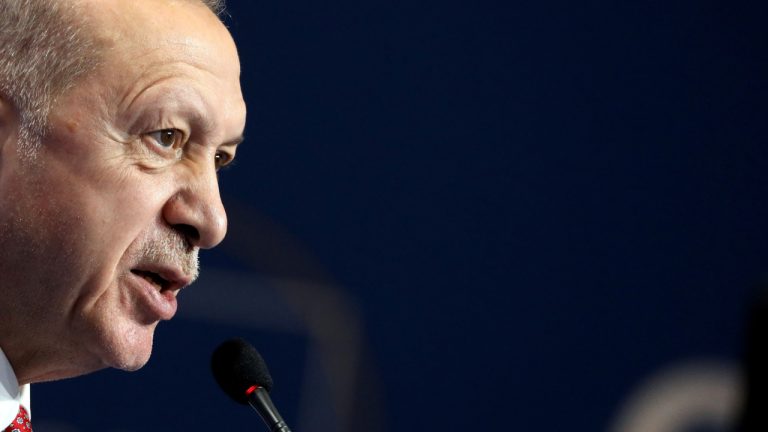
Turkish President Recep Tayyip Erdogan is reportedly pushing for Turkey and Russia to establish a new payment system between them. The initiative comes amid U.S. pressure against the use of the Russian Mir cards in Turkey. Some Turkish banks have been working with them to facilitate payments by Russian tourists visiting the country.
President Erdogan Tasks Turkish Government With Developing Mir Alternative, Report
President of Turkey Recep Tayyip Erdoğan has instructed ministers to develop a payment system with Russia to serve as an alternative to the Russian banking system Mir. According to the A Haber TV channel, Turkish and Russian officials have already held talks on this matter.
The move follows a statement from Washington that the United States would try to persuade Turkey to limit support for Mir. Its cards are one of the few remaining options for Russians vacationing in Turkey as Western sanctions have cut them off from major global credit cards and also destinations. Many of them visited Turkey this year.
Quoted by the Russian business daily Kommersant, A Haber revealed that that the relevant Turkish and Russian government departments are now negotiating while President Erdogan himself will also participate in discussions on the topic.
In mid-September, the administration in Washington indicated it may impose sanctions on nations conducting transactions with Mir. Two of the five Turkish lenders that had been working with the Russian payment system, Isbank and Denizbank, suspended operations with it. The state-owned Halkbank, Vakifbank, and Ziraat are still using it.
Later, the U.S. Treasury expressed readiness to convince the Turkish government of the need to reduce the use of Mir. Last week, American authorities expanded the sanctions imposed over Russia’s invasion of Ukraine to include the chief executive of the Central Bank of Russia’s National Card Payment System (NSPK), Mir’s operator.
The NSPK is processing domestic transactions in Russia. Moscow established Mir after the annexation of Crimea in 2014, when several Russian banks were denied services by Visa and Mastercard. Russia also developed the System for Transfer of Financial Messages (SPFS), an alternative to SWIFT, from which some Russian banking institutions have been disconnected.
During the current crisis, Russia has also turned its attention to cryptocurrencies. Earlier this month the Ministry of Finance and the Bank of Russia agreed that under the current conditions, Russia would need to legalize crypto payments for cross-border transactions to relieve the sanctions pressure on its economy and foreign trade.
Do you think Turkey and Russia will develop a new payment system to substitute Mir? Share your expectations in the comments section below.
Why this matters
This cryptocurrency story adds another data point to the current market tape and is useful when read alongside nearby source coverage.
Original source
Read on Bitcoin NewsRelated market context
Lombard Systems Raises $4M to Make Tokenized Assets Easier to Borrow Against
TL;DR: Tokenizing an asset is only the beginning; financing it is another problem entirely. Lombard Systems announced $4 million i...
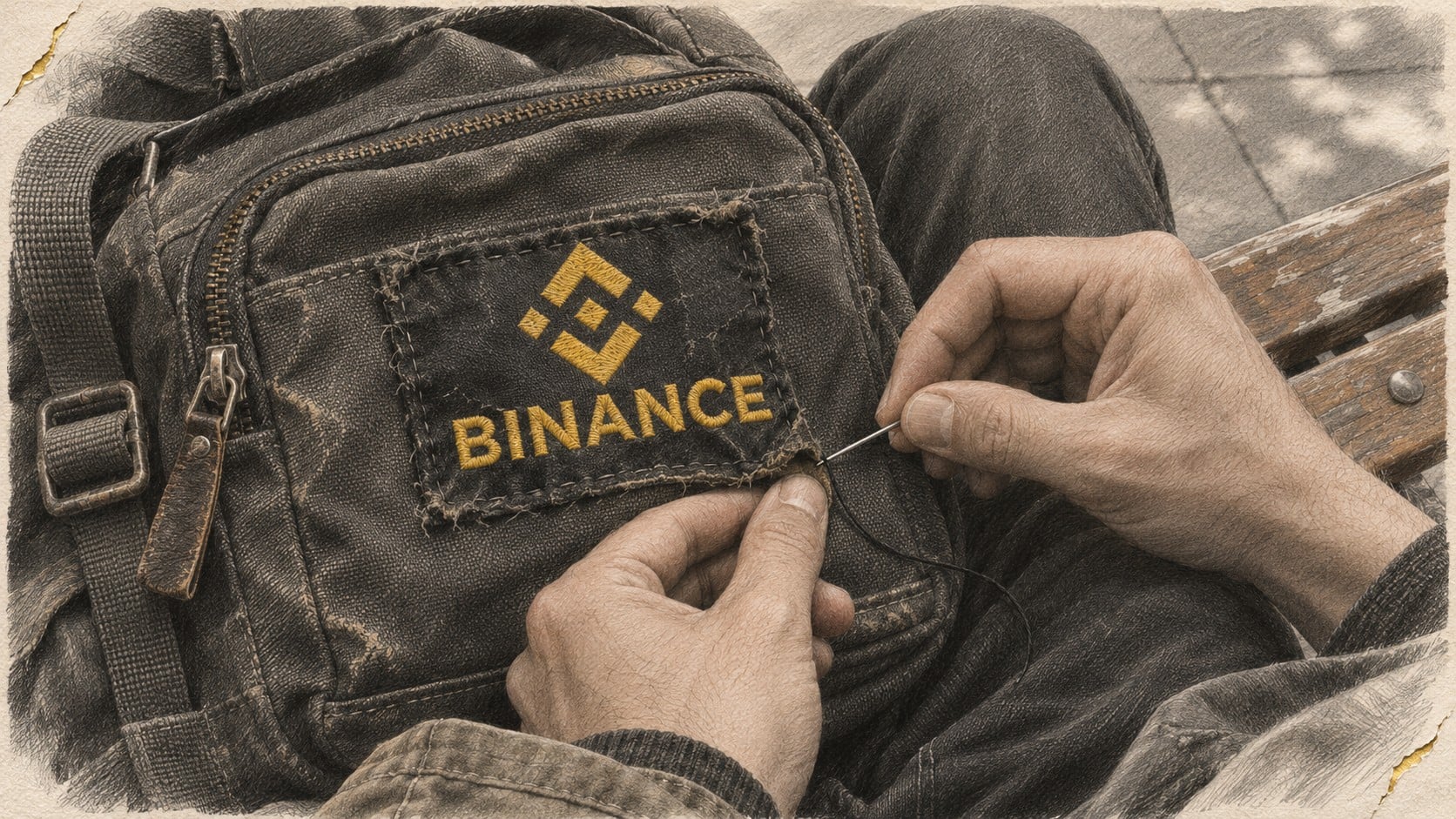
Binance Freezes Out MEXC Four Weeks Before U.S. Transfer Ban Applies
Binance announced Tuesday that it is refusing to move money to or from the crypto exchange MEXC and its affiliated companies. The...

Backed by $80 Million, Alta is Building the Infrastructure to Bring Global Banking Onchain
San Francisco, CA, USA, November 10th, 2026, Chainwire New funding will advance institutional-grade blockchain infrastructure buil...

PNC and Coinbase Launch USDC Payments Pilot: What Changes for Businesses?
PNC’s USDC payments pilot offers a practical version of crypto adoption: a business can receive a stablecoin payment and end up wi...
Bitso Business Says Stablecoin Payment Volume Now Runs Above $150B Annualized
TL;DR: Bitso Business says the payment flows passing through its infrastructure have reached an annualized rate above $150 billion...

Bitcoin Heated Hot Tubs and 278 Washington Bitcoin Merchants : Now Accepting Bitcoin
Bitcoin Magazine Bitcoin Heated Hot Tubs and 278 Washington Bitcoin Merchants : Now Accepting Bitcoin Table of ContentsSnorkel: A...