How the Federal Reserve Is Now Competing With Banks for Deposits: Enter the Reverse Repo Facility
The U.S. Federal Reserve could be competing with commercial banks due to a facility called the “overnight reverse repurchase agreement facility,” which has currently drawn in more than $2 trillion in deposits. According...
Archive context
Older archive item. Useful for background and entity history, but not a fresh market-moving signal.

The U.S. Federal Reserve could be competing with commercial banks due to a facility called the “overnight reverse repurchase agreement facility,” which has currently drawn in more than $2 trillion in deposits. According to analysts, this has affected bank deposits, as investors run to grab the higher yields it offers compared to traditional banks.
The Federal Reserve ‘Reverse Repo’ Facility Is Affecting Banks’ Deposits, According to AnalystsThe recent banking crisis has made people worried about the security of the U.S. banking system, and while at a high level, some are still determining the causes that led to the fall of Silvergate, Signature, and Silicon Valley Bank, there is another phenomenon that is affecting the health of this system.
The “overnight reverse repurchase agreement facility,” or reverse repo, as it is commonly referred to, allows money market funds, which are investment vehicles known to invest in low-risk instruments, to park money with the U.S. Federal Reserve while earning greater interest than what commercial banks offer.
The facility, which was introduced back in 2013 by the Federal Reserve as a backstop for a possible shortage of low-risk investment options in the market, finished last month with $2.3 trillion in funds, down from a record number of $2.5 trillion reached in December 30, 2022, per numbers of the St. Louis Fed.
Analysts have stated that the availability of this instrument is causing flight-to-quality flows away from bank deposits, which have come down by almost $126 million in the weeks following the bank crisis, marking the biggest drop since June 2021. The Bank Policy Institute (BPI), a research membership group for U.S. banks, stated:
While money funds also invest in Treasury bills, when they pile into bills, bill yields call, reducing their attractiveness. It is only the reverse repo with its yields that is insensitive to supply and demand, that serves as a black hole for bank deposits.
Proposed Solutions to the IssueThis “black hole,” as the BPI called it, has a relatively simple solution, according to some. According to an article from Axios, this is a problem of returns, as the banks are not competing with the Federal Reserve, offering fewer yields, and ones not as attractive to investors. Neil Irwin, chief economic correspondent at Axios stated:
The sucking sound of money leaving banks would not be so loud if they paid more competitive returns.
The function of the reverse repo facility has already been criticized during quantitative tightening, with the BPI stating that it has “lost its purpose.” For the banking group, the solution involves a change in the inner workings of the mechanism, with the federal reserve diminishing the returns it offers. It stated:
To reverse the giant sucking of the reverse repo, all the Fed need do is lower the interest rate it pays.
What do you think about the reverse repo facility and its effect on bank deposits? Tell us in the comment section below.
Why this matters
This cryptocurrency story adds another data point to the current market tape and is useful when read alongside nearby source coverage.
Original source
Read on Bitcoin NewsRelated market context
Fed and OCC Quiz U.S. Banks After $6.3 Billion Binance Hack
Bitcoin Magazine Fed and OCC Quiz U.S. Banks After $6.3 Billion Binance Hack U.S. bank regulators contacted banks this week to che...

China central bank probes Solana after Shanghai shutdown, report
China’s central bank has launched an investigation into Solana after authorities shut down an “illegal” promotional Solana event l...

Paraguay Bank Crisis Sends USDT to 13% Premium After Ueno Freeze Hits 3M Customers
Key Takeaways: Bybit P2P listing also went about 13% cheaper than Paraguay’s official dollar rate in USDT. The failure of Ueno Ban...
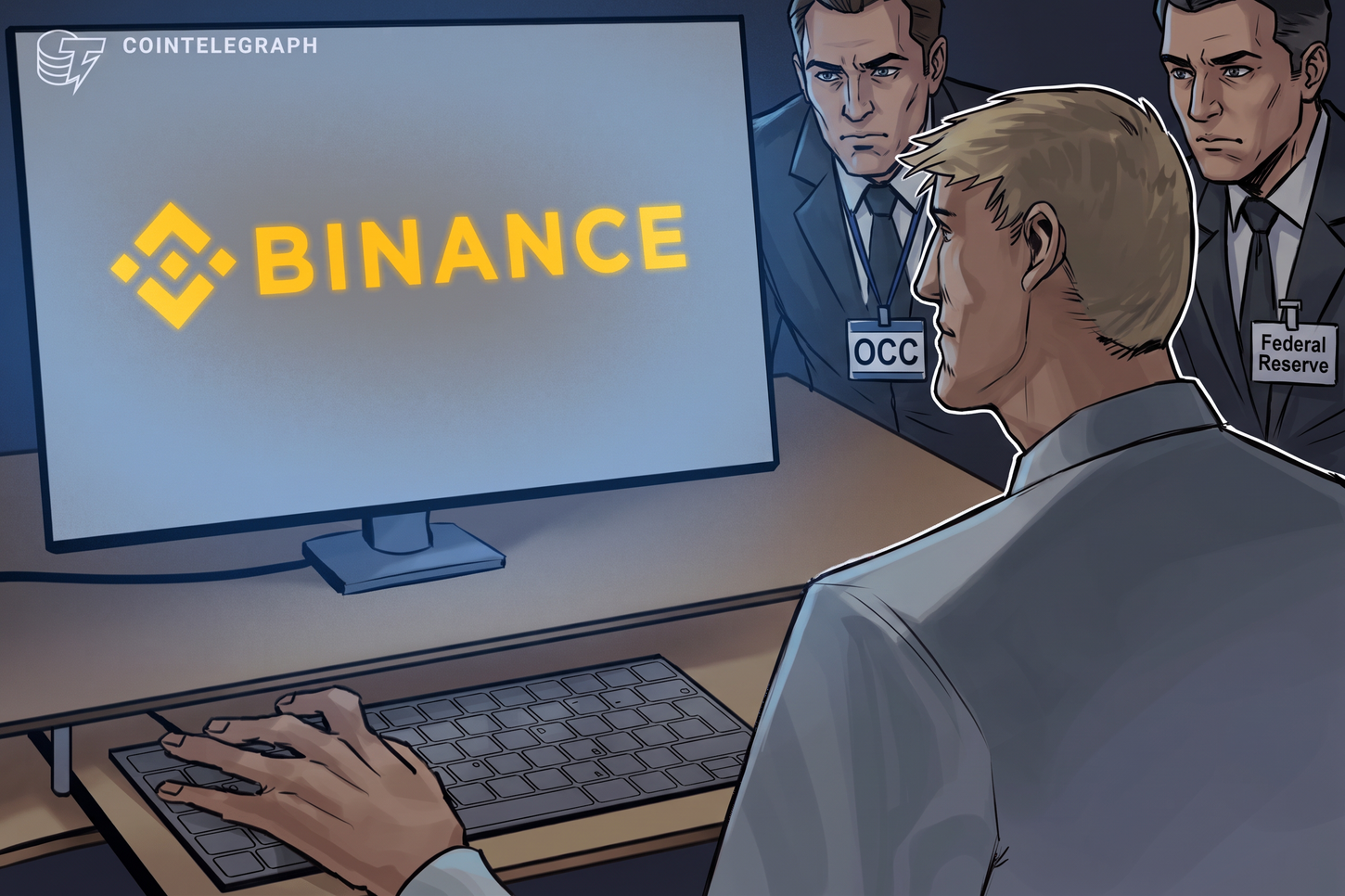
Fed, OCC check US banks after Binance hack as experts flag security risks
US regulators reportedly contacted banks following last week’s $6.3 billion Binance security hack, while experts raised concerns a...

Bull Bitcoin Becomes First Exchange to Add Payjoin Privacy Deposits, Withdrawals, and Payjoin-by-Default Trading
Bitcoin Magazine Bull Bitcoin Becomes First Exchange to Add Payjoin Privacy Deposits, Withdrawals, and Payjoin-by-Default Trading...

Nigeria’s Central Bank Now Requires Offshore Stablecoin Issuers to License Locally
Stablecoin issuers based abroad can no longer serve Nigerian users on the strength of a foreign license under a new rulebook from...