Indonesia Is Following BRICS De-Dollarization Lead, Says Central Bank Governor
Indonesia is following the BRICS’ lead in de-dollarization and shifting away from the U.S. dollar in trade settlements and financial transactions, according to the country’s central bank governor. The BRICS nations are w...
Archive context
Older archive item. Useful for background and entity history, but not a fresh market-moving signal.
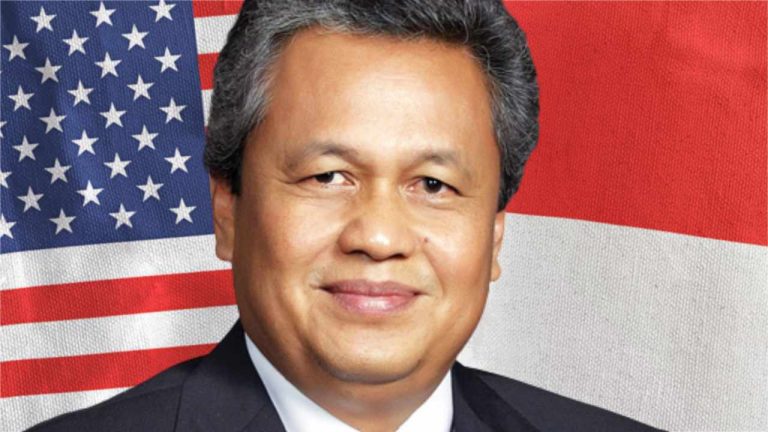
Indonesia is following the BRICS’ lead in de-dollarization and shifting away from the U.S. dollar in trade settlements and financial transactions, according to the country’s central bank governor. The BRICS nations are working on creating a common currency to reduce their USD reliance.
Indonesia’s De-Dollarization EffortsBank of Indonesia Governor Perry Warjiyo said Friday that Jakarta is following the lead of the BRICS bloc to shift away from using the U.S. dollar in trade and financial transactions, Sindonews reported Friday. The BRICS nations (Brazil, Russia, India, China, and South Africa) have been ramping up de-dollarization efforts to use local currencies in international trade and reduce their dependence on the USD. They are also working on establishing a new currency.
Speaking at a press conference following this month’s board of governors meeting, the central bank chief confirmed that Indonesia has implemented the local currency trade (LCT) system. He was quoted as saying:
Indonesia has initiated diversification of the use of currency in the form of LCT. The direction is the same as the BRICS. In fact, Indonesia is more concrete.
He explained that Indonesia’s LCT system is considerably more concrete than the BRICS de-dollarization approach, given that Indonesia has already implemented the currency diversification method with several nations, including Thailand, Malaysia, China, and Japan. In addition, the Indonesian government plans to sign an agreement with South Korea regarding local currency transactions in early May, he noted.
As the U.S. continues to weaponize the dollar, countries are seeking alternatives, from creating new common currencies to using local currencies. U.S. Treasury Secretary Janet Yellen recently admitted that economic sanctions used against countries by the U.S. put the dollar’s dominance at risk.
What do you think about Indonesia following the BRICS’ direction to ramp up its de-dollarization efforts? Let us know in the comments section below.
Why this matters
This cryptocurrency story adds another data point to the current market tape and is useful when read alongside nearby source coverage.
Original source
Read on Bitcoin NewsRelated market context

Nigeria’s Central Bank Now Requires Offshore Stablecoin Issuers to License Locally
Stablecoin issuers based abroad can no longer serve Nigerian users on the strength of a foreign license under a new rulebook from...
Nigeria Erects Strict Stablecoin Wall, Demanding $11M Local Subsidiaries for US Dollar Tokens
Nigeria has adopted regulations for non-security virtual assets that make it one of the most restrictive stablecoin market-access...

China central bank probes Solana after Shanghai shutdown, report
China’s central bank has launched an investigation into Solana after authorities shut down an “illegal” promotional Solana event l...

Nigeria’s central bank introduces stablecoin licensing rules, bans algorithmic versions
Nigeria's central bank issued new virtual asset regulations requiring stablecoin issuers and other service providers to obtain loc...
Nigeria’s central bank mandates licenses for stablecoin issuers
Nigeria's licensing mandate for stablecoin issuers could reshape the digital currency landscape, emphasizing regulatory compliance...

Elizabeth Warren poised to lead Senate Banking Committee and target Wall Street, crypto
Warren's leadership could intensify regulatory scrutiny, potentially reshaping financial industry practices and impacting crypto m...