Initiate ‘bunker mode’ to protect crypto from AI, says Justin Drake
Senior Ethereum Foundation researcher Justin Drake, who has spent months warning about the supposedly imminent cybersecurity threat of quantum computing, has escalated his rhetoric with a prediction that AI will “break”...
High signal
Published in the last two hours. 3 independent sources are tracking the same story.
Senior Ethereum Foundation researcher Justin Drake, who has spent months warning about the supposedly imminent cybersecurity threat of quantum computing, has escalated his rhetoric with a prediction that AI will “break” elliptic curve cryptography within “months.”
Warning the threat could arrive even faster than quantum computers, he’s calling for a mass migration of most crypto assets into new wallets suited for deep cold storage.
He wants the whole industry, starting with the largest entities, to hide their money from an impending AI breakthrough that he views as essentially inevitable. He’s implored everyone to create and store most digital tokens in new “bunker” wallets that have never signed a transaction.
These more private wallets with less information revealed on public ledgers will, in Drake’s view, help digital asset owners stay safe during the first wave of attacks.
The post is, in essence, a description of a well-known best practice by BTC holders: never re-using addresses.
Satoshi Nakamoto even wrote in October 2008: “A new key pair should be used for each transaction to keep them from being linked to a common owner.”
Explaining this concept as though it was novel, Drake thanked Satoshi’s large and highly public wallets that will ostensibly shield smaller investors from the first wave of attacks.
Make no mistake, however, Drake believes the AI is coming for everyone soon.
I don't recommend anyone scramble to move their funds to new wallets today. But we should take the risks to cryptography from AI-accelerated math seriously, and minimize our exposure to not just quantum-vulnerable cryptography, but also potentially AI-vulnerable cryptography.…
— vitalik.eth (@VitalikButerin) October 7, 2026 Crypto should enter bunkers and cower from the AIWith yesterday’s viral X post, Drake asked the industry to commence “bunker mode,” a mass migration to fresh addresses, in a post that drew millions of views.
He implores the largest entities and their billionaire operators to get their assets into bunkers first.
Drake even named four of the largest custodians by name: Changpeng Zhao’s Binance, Vlad Tenev’s Robinhood, Babak Zanjani’s Bitbank, and Giancarlo Devasini’s Bitfinex and Tether.
Four companies with billionaire leadership will guide the industry to safety.
A wallet that has never transacted, such as a “bunker” BTC wallet in Drake’s view, exposes only a hash of its public key on-chain. This privacy contrasts with a wallet which has transacted and published its raw public key within its transaction signatures.
Because only the hash of a “bunker” wallet is publicly accessible, a quantum attacker who can break Bitcoin’s Elliptic Curve Digital Signature Algorithm must first hack the public key hash and then hack its associated private key to steal any BTC.
This extra step of requiring the AI- or quantum-powered hacker to reverse engineer the public key hash first, before reversing the private key, might protect bunkered savers from the first wave of attacks, Drake predicts.
A rational AI or quantum hacker might decide to start with the easiest targets: wallets with exposed public keys, such as Satoshi’s wallets.
Bitcoin’s quantum deadline just moved upRead more: Cloudflare’s 2029 quantum sprint raises Bitcoin alarm bells
Crypto bunker lifeIn Drake’s worldview of bunker life, never-transacting wallets function like deep cold storage, never transacting except in the event of emergency.
Any transaction must immediately accompany a full sweep of funds into another, new, never-transacted wallet — ideally within the same block of transactions.
He admits plainly, “Exiting bunker mode safely will require post-AI cryptography” that doesn’t currently exist in consensus for blockchains like Bitcoin.
In March, Drake co-authored Google Quantum AI’s well-publicized paper suggesting that breaking the Elliptic Curve Digital Signature Algorithm (ECDSA) could occur within 1,200 logical qubits, a 20-fold reduction in the prior understanding of physical hardware requirements for that quantum breakthrough.
In June, Drake forecasted Q-day, i.e. the day quantum computers crack major forms of modern cryptography, at “10% by 2030” and “50% by 2032.”
Drake’s new fear is non-quantum AI computers. On Tuesday, OpenAI published a trove of AI-generated mathematical results.
He interprets the batch as a sign that mathematical superintelligence has arrived. He warned, “In my opinion it is now reasonable to brace for the possibility that ECDSA breaks before Qday, in the worst case in months not years.”
Got a tip? Send us an email securely via Protos Leaks. For more informed news and investigations, follow us on X, Bluesky, and Google News, or subscribe to our YouTube channel.
The post Initiate ‘bunker mode’ to protect crypto from AI, says Justin Drake appeared first on Protos.
Why this matters
Bitcoin is showing up inside the Security Incidents theme, so this story is worth tracking for follow-through rather than treating it as a one-off headline.
Original source
Read on ProtosSame story, other sources
Cross-source coverage
3 sources

What is Crypto Bunker Mode? Ethereum’s Justin Drake Warns of a Possible AI Break
What is Crypto bunker mode? Ethereum Foundation researcher Justin Drake urged the crypto indust...
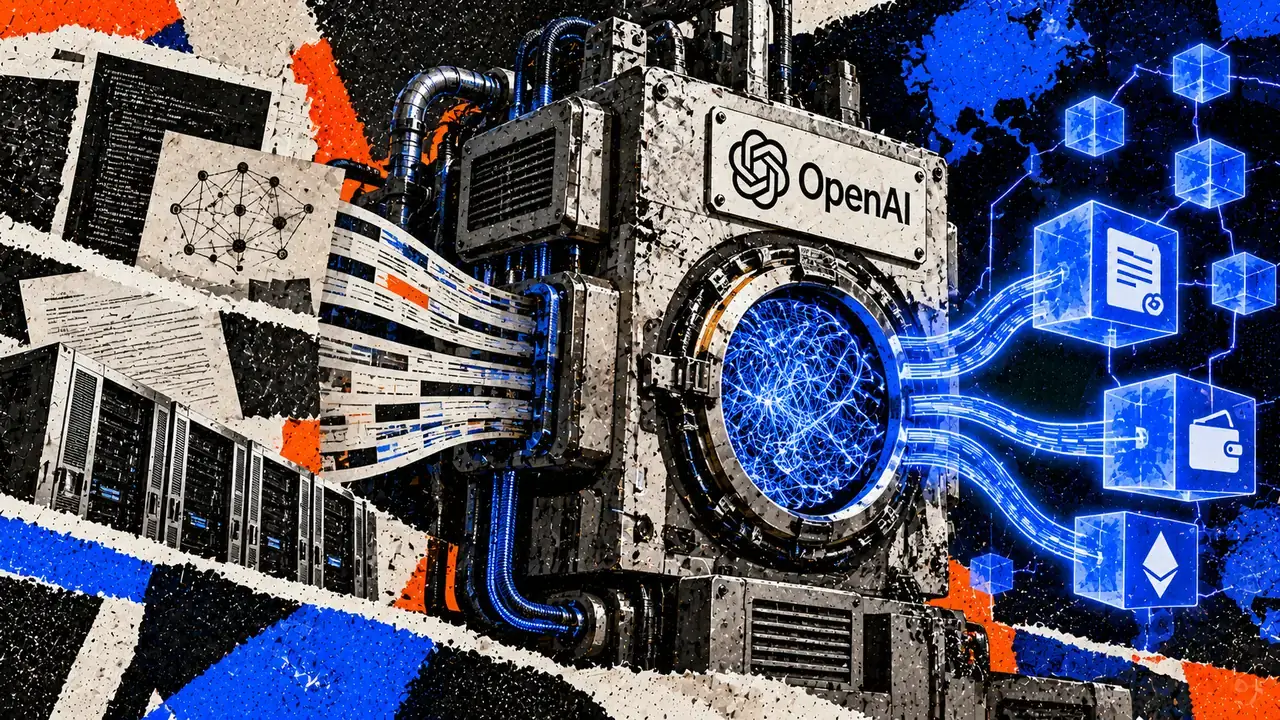
OpenAI math breakthroughs raise ‘bunker mode’ alarm from Bitcoin researcher Justin Drake
OpenAI’s latest advances in mathematics have prompted a leading Ethereum researcher to warn tha...
Related market context
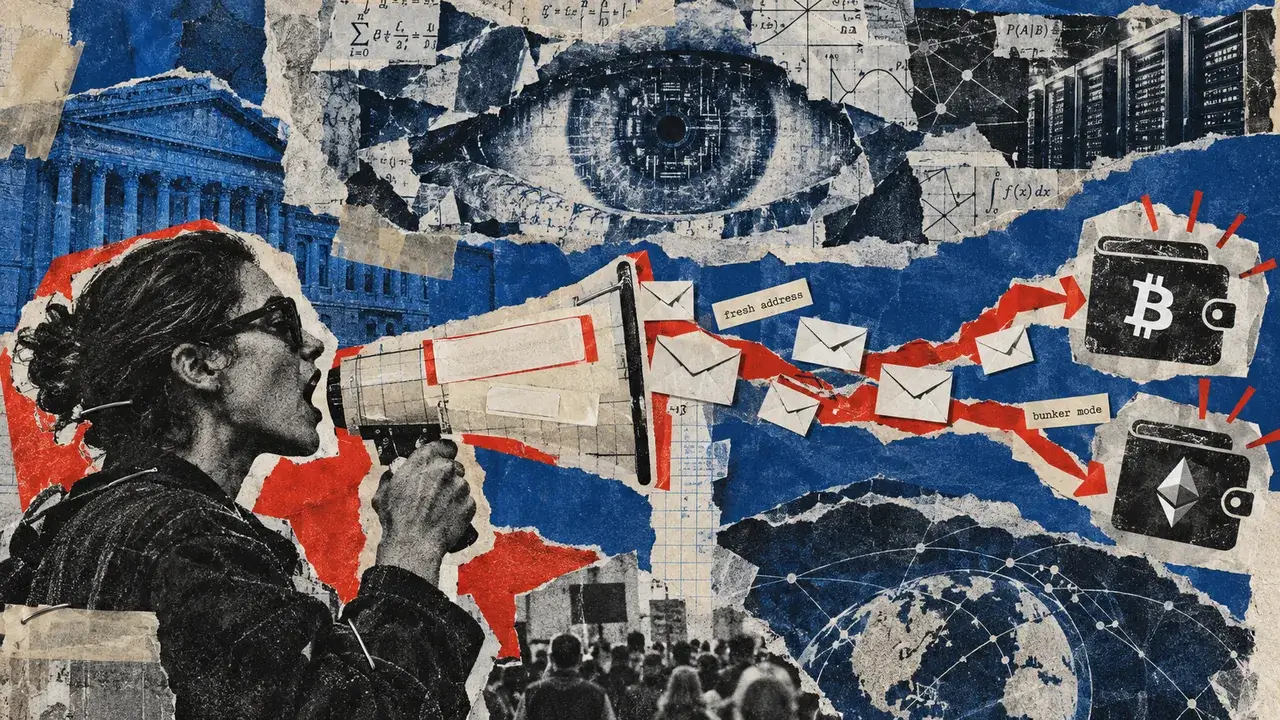
Vitalik Buterin urges calm as AI raises new fears over Bitcoin and Ethereum cryptography security
Ethereum co-founder Vitalik Buterin warned that AI-driven advances in mathematics could weaken both existing crypto signatures and...
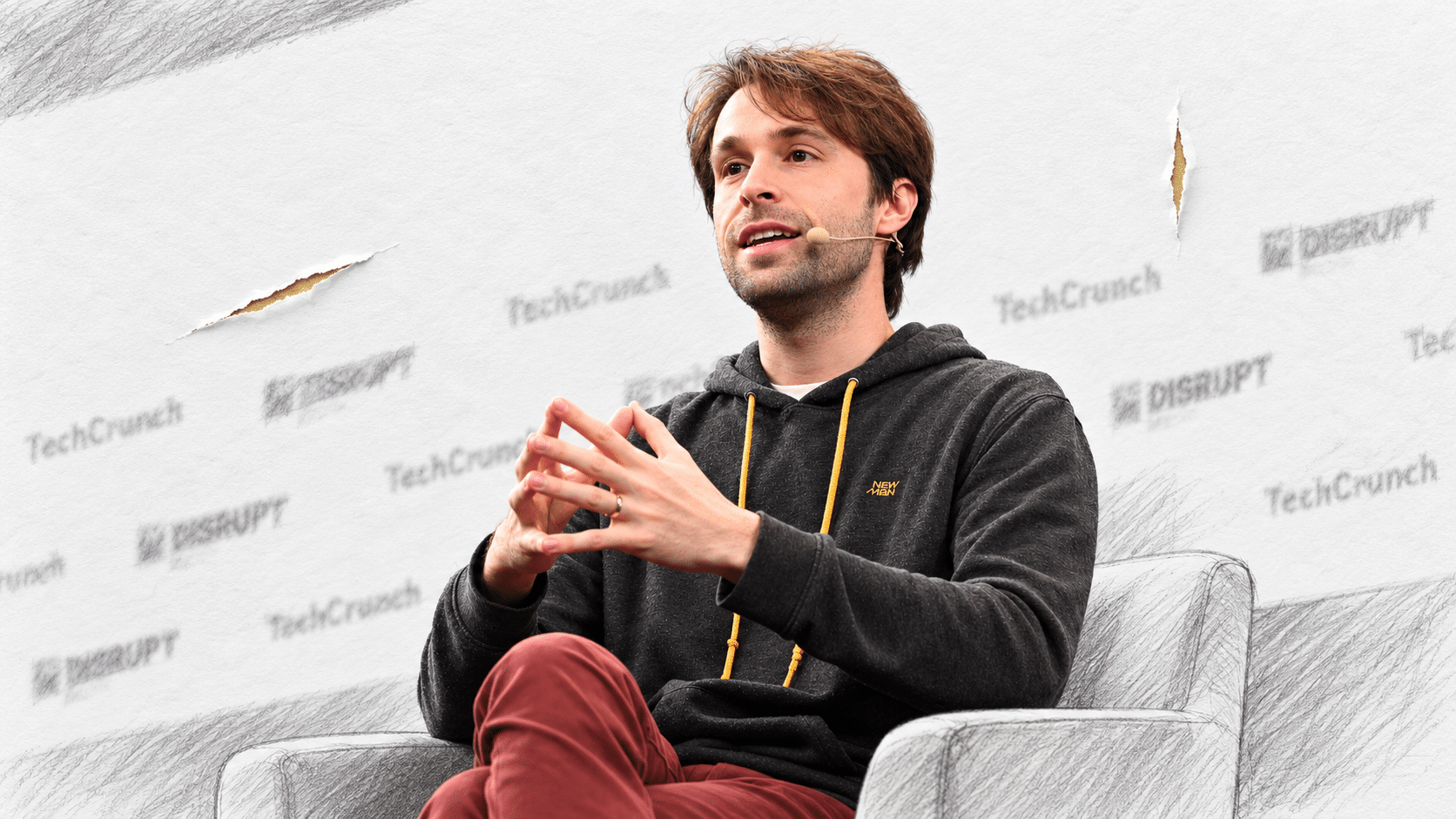
Ethereum Researcher’s ‘Bunker Mode’ Call Sparks Debate Over Whether AI Math Threatens Crypto Keys
Ethereum Foundation researcher Justin Drake called on Oct. 7 for the blockchain industry to “calmly begin planning” for “bunker mo...
Ethereum researcher Justin Drake calls for ‘bunker mode’ planning over private key recovery risk
Justin Drake recommended moving crypto assets to fresh addresses that keep their public keys hidden behind a hash.
Europol says quantum computing won’t break Bitcoin, but some wallets are exposed
Quantum computing's threat to Bitcoin highlights the need for proactive wallet security, shifting responsibility to individual use...
Ethereum Researcher Says AI May Break Encryption Before Quantum Does
Ethereum Foundation researcher Justin Drake urged holders to calmly move funds to unused addresses, warning that AI-driven math co...
Morning Minute: Ethereum Researcher Says AI May Break Crypto Encryption Before Quantum
Justin Drake is calling for crypto holders to start calmly planning for “Bunker Mode." But reactions so far haven’t been too calm.