Japan’s Three Largest Megabanks Align To Launch Joint Yen-Backed Stablecoin By March 2027
Japan’s largest banking groups are moving toward a shared yen-backed stablecoin framework, a development that could bring one of the world’s most heavily regulated financial systems deeper into tokenized payments. TL;DR...
Archive context
Older archive item. Useful for background and entity history, but not a fresh market-moving signal.

Japan’s largest banking groups are moving toward a shared yen-backed stablecoin framework, a development that could bring one of the world’s most heavily regulated financial systems deeper into tokenized payments.
TL;DR- MUFG, SMBC, and Mizuho are reportedly aligned around a joint yen-backed stablecoin initiative.
- The project is still at the council and design stage, not a live commercial rollout.
- The target timing points to Japan’s 2026 fiscal year, ending March 31, 2027.
- The bigger story is Japan’s regulated-bank approach to stablecoin infrastructure.
The proposed structure brings together Mitsubishi UFJ Financial Group, Sumitomo Mitsui Financial Group, and Mizuho around the idea of a joint stablecoin council. Instead of each bank pushing a separate tokenized payment rail, the goal is to study and design a shared yen-backed structure that could support commercial transactions.
The exact commercial token name has not been announced, and the project remains subject to regulatory approval. That caveat matters. This is not yet a live retail stablecoin. It is a major institutional signal that Japan’s banking sector wants a coordinated framework for yen settlement on blockchain rails.
Official release channels from MUFG and SMFG remain the key places to confirm the final structure as it develops. The source packet for this batch also points to Japan’s Financial Services Agency stablecoin framework as the important regulatory backdrop, because Japan has already built a clearer legal route for bank and trust-linked stablecoins than many other major markets.
Why A Bank-Led Stablecoin Is DifferentMost crypto-native stablecoins grew from offshore exchanges, dollar liquidity, and trading demand. A bank-led yen stablecoin would start from a different place. It would be built around regulated reserves, trust structures, and commercial settlement, rather than only exchange trading pairs.
That could make it more appealing for corporate use cases. Businesses do not necessarily need a speculative token. They need predictable settlement, bank-grade controls, and a clear answer on who holds the reserves. A trust-based model, where a licensed trust bank holds yen backing, is the kind of structure that could make tokenized payments easier for large firms to consider.
Stablecoin Competition Is Becoming RegionalThe move also fits a broader global pattern. Europe is pushing stablecoins through MiCA. The U.S. market remains dominated by dollar stablecoins and ongoing policy debates. Japan is trying to build a bank-compatible framework that can sit closer to traditional finance while still using blockchain settlement.
If the Japanese project reaches commercial launch by the end of the 2026 fiscal year, it could become an important test for whether regulated banks can compete with crypto-native issuers in their home currencies. The first use cases may be narrower than the global USDT or USDC markets, but the strategic significance is different: a unified yen stablecoin from Japan’s banking giants would show that traditional financial institutions are no longer watching tokenized money from the sidelines.
The project still has to clear licensing, operational, and adoption hurdles. But the direction is clear enough. Stablecoins are no longer only a crypto exchange tool. They are becoming payment infrastructure, and Japan’s largest banks want a role in deciding what that infrastructure looks like.
This article was written by the News Desk and edited by Samuel Rae.
Originally published on MUFG press releases at MUFG press releases
Why this matters
Tether is showing up inside the Stablecoins theme, so this story is worth tracking for follow-through rather than treating it as a one-off headline.
Original source
Read on NewsBTCRelated market context

Tether Signs Deal With Kazakhstan's Central Bank to Explore a Stablecoin and Tokenized Assets
Tether, issuer of the USDT stablecoin, will help Kazakhstan's central bank study a tenge-pegged token and put real-world assets on...

Tether tapped by Kazakhstan’s central bank to explore stablecoin and tokenization
The National Bank of Kazakhstan said it will study a local currency-linked stablecoin and tokenized real-world assets with Tether.

Tether, Kazakhstan cenbank mull tenge stablecoin and asset tokenization
The agreement will explore a tenge-backed stablecoin pilot and a framework for tokenizing real-world assets as Kazakhstan expands...
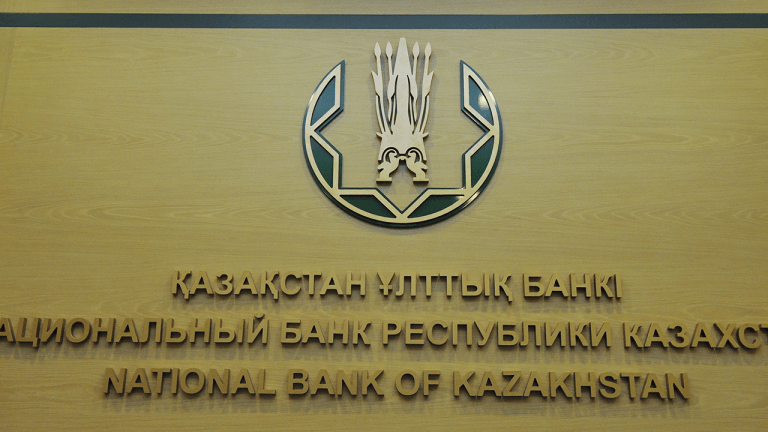
Kazakhstan Taps Tether to Explore a New Tenge Stablecoin Model
Kazakhstan already has a tenge stablecoin in a central-bank sandbox. Now it has brought Tether into the room to study another one....

Robinhood adds $25 million of Bitcoin to its own balance sheet
Robinhood is adding $25 million of Bitcoin to its balance sheet after executives previously debated whether corporate crypto holdi...

Tether Celebrates 12 Years, USD₮ Surpasses 700M Users
Key Takeaways: Tether marked the 12th anniversary of the world’s largest stablecoin by market cap, USD₮. The company claims that U...