Kazakhstan Blocks Over 3,500 ‘Illegal’ Cryptocurrency Exchanges
Authorities in Kazakhstan have blocked more than 3,500 cryptocurrency exchanges operating illegally, according to an announcement by the Kazakh regulator, AFM RK. The crackdown resulted from joint efforts by the National...
Archive context
Older archive item. Useful for background and entity history, but not a fresh market-moving signal.

Authorities in Kazakhstan have blocked more than 3,500 cryptocurrency exchanges operating illegally, according to an announcement by the Kazakh regulator, AFM RK. The crackdown resulted from joint efforts by the National Security Committee and the Ministry of Culture and Information.
In 2023, Kazakh authorities blocked access to Coinbase, citing alleged violations of the country’s digital asset laws.
Liquidation of Illegal Crypto Platforms
In 2024, the regulator liquidated 36 illegal crypto exchanges with a combined turnover of 60 billion Kazakhstani tenge (over US$113 million). Additionally, it froze and confiscated assets worth 4.8 million USDT, a popular stablecoin, from these platforms.
Authorities also uncovered two cryptocurrency pyramid schemes, returning 545,000 USDT to affected victims and freezing 120,000 USDT held by the platforms.
“AFM continues to work with international partners to enhance control over crypto transactions and combat their use for criminal purposes. Amendments to the legislation have also been developed, introducing liability for providers of digital assets in cases of money laundering violations. Checks on cryptocurrency transactions in financial institutions have been strengthened,” the regulatory announcement stated (translated from Russian).
“AFM will continue to improve tools for effectively monitoring financial transactions to combat criminal schemes involving virtual assets.”
Major Exchanges Betting on Kazakhstan
Meanwhile, major global crypto exchanges are expanding their presence in Kazakhstan. In 2023, Bybit secured a full crypto exchange licence from the Astana Financial Services Authority (AFSA). Binance also received formal consent from the AFSA, enabling it to obtain a full regulatory licence.
The National Bank of Kazakhstan launched a pilot program to explore the development of the digital tenge, a central bank digital currency (CBDC). The central bank demonstrated improvements in value-added tax (VAT) reimbursement processing using digital fiat.
This article was written by Arnab Shome at www.financemagnates.com.Why this matters
This cryptocurrency story adds another data point to the current market tape and is useful when read alongside nearby source coverage.
Original source
Read on Finance MagnatesRelated market context

Tether Signs Deal With Kazakhstan's Central Bank to Explore a Stablecoin and Tokenized Assets
Tether, issuer of the USDT stablecoin, will help Kazakhstan's central bank study a tenge-pegged token and put real-world assets on...

Tether signs MoU with Kazakhstan’s central bank to explore tenge stablecoins and tokenized assets
Kazakhstan's collaboration with Tether could enhance its fintech landscape, potentially boosting local currency integration in dig...

Chainlink’s Sergey Nazarov discusses digital assets and AI at Sibos 2026
The shift towards tokenized deposit chains by banks signifies a move from experimentation to infrastructure ownership, necessitati...

Tether, Kazakhstan cenbank mull tenge stablecoin and asset tokenization
The agreement will explore a tenge-backed stablecoin pilot and a framework for tokenizing real-world assets as Kazakhstan expands...
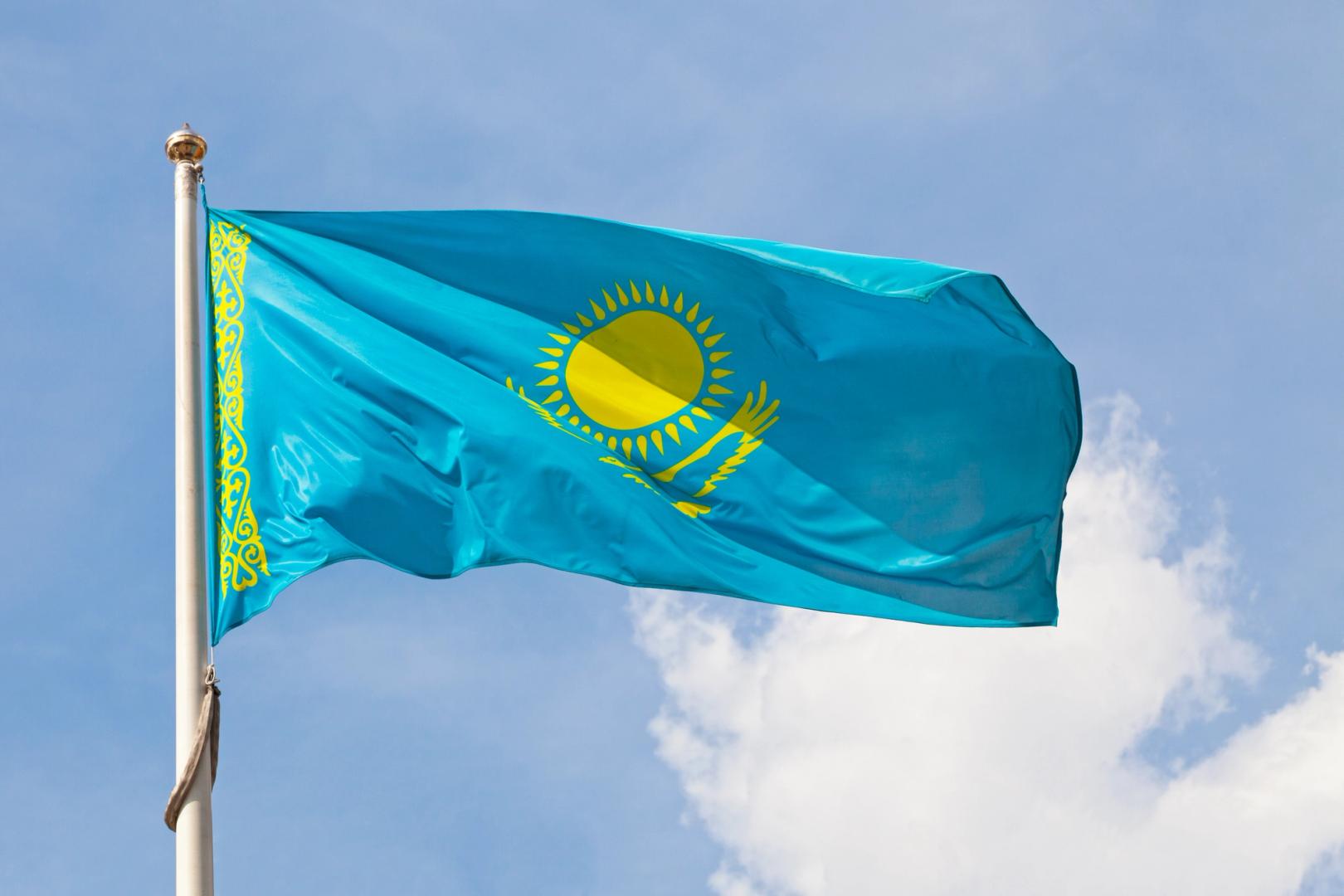
Tether tapped by Kazakhstan’s central bank to explore stablecoin and tokenization
The National Bank of Kazakhstan said it will study a local currency-linked stablecoin and tokenized real-world assets with Tether.
Russia’s Sberbank Given Green Light to Custody Bitcoin
Bitcoin Magazine Russia’s Sberbank Given Green Light to Custody Bitcoin Russia’s largest bank has announced it is the first in the...