SEC’s 2026 Crypto Rulemaking Plan: Safe Harbors, Broker-Dealer Rules and ATS Amendments
The SEC has formally placed three crypto rulemaking items on its 2026 regulatory agenda, according to the Agency Rule List, covering the offer and sale of crypto assets, broker-dealer financial responsibility rules, and...
Archive context
Older archive item. Useful for background and entity history, but not a fresh market-moving signal.

The SEC has formally placed three crypto rulemaking items on its 2026 regulatory agenda, according to the Agency Rule List, covering the offer and sale of crypto assets, broker-dealer financial responsibility rules, and Exchange Act amendments for crypto trading on alternative venues.
The moves signal a Commission that is building a structured exemptive regime in parallel with Congress, rather than waiting for legislation to force its hand.
Source: SECThat distinction matters. The CLARITY Act remains unsigned as of early July. The SEC’s decision to queue its own rulemakings now, compresses the timeline for market participants who assumed the regulatory overhaul would arrive via statute first.
Three Items, Three Distinct Market ImplicationsThe first item addresses how crypto assets are offered and sold, and explicitly contemplates certain exemptions and safe harbor provisions. The SEC has already proposed an innovation exemption allowing firms to issue and trade tokenized securities, specifically tokenized U.S. stocks, and that guidance is likely to fall under this rulemaking bucket.
Chair Paul Atkins has framed the broader agenda as embracing innovation, bringing more products onshore, and providing clarity regarding tokenized securities.
For token issuers currently navigating registration ambiguity, a codified safe harbor is the most commercially significant item on the agenda.
It determines whether a project can sell tokens to U.S. retail participants at all, and under what disclosure conditions. The specifics, thresholds, timelines, and the definition of sufficiently decentralized governance remain unresolved, which is precisely why the rulemaking notice is consequential.
Photo: Paul AtkinsThe second item targets broker-dealer financial responsibility rules: specifically, Rules 15c3-1 (net capital), 15c3-3 (customer protection), 17a-3, and 17a-4 (books and records), with amendments proposed to address how these apply to crypto assets.
The SEC had previously outlined conditions allowing certain DeFi platforms to operate without registering as broker-dealers. The coming rulemaking could codify those conditions or tighten them, a distinction that will determine whether front-end interface providers and aggregators face full registration burdens or a narrower compliance path.
The third item is a set of Exchange Act amendments covering crypto trading on ATSs and national securities exchanges. This is the market structure piece, the rules governing how venues operate, what disclosures they owe, and how order flow in crypto-asset securities is treated relative to traditional equities.
An ATS operating in crypto currently sits in a compliance gray zone; amended Exchange Act rules would clarify whether existing ATS registration frameworks apply as-is or require a parallel crypto-specific track.
Atkins’ Framing and the Political ContextChair Atkins, according to the primary source, highlighted the Commission’s effort to embrace innovation, bring more products onshore, create clear rules for capital raising within the crypto ecosystem, and provide clarity regarding tokenized securities, framing all three items as part of delivering on President Trump’s goal to make the U.S. the world’s crypto capital.
That framing is politically deliberate: it ties the SEC’s rulemaking pace directly to an executive mandate, which insulates the agenda from internal resistance and signals to institutional market participants that the direction is durable.
President Trump, at the official kickoff of Trump accounts, stated he was a big fan of crypto and suggested Bitcoin could eventually be included in those accounts.
The political tailwind behind the crypto regulation overhaul is not ambiguous, but political will and regulatory execution are separate variables, and the SEC’s agenda items are proposals, not final rules.
The post SEC’s 2026 Crypto Rulemaking Plan: Safe Harbors, Broker-Dealer Rules and ATS Amendments appeared first on Cryptonews.
Why this matters
SEC is showing up inside the Regulation theme, so this story is worth tracking for follow-through rather than treating it as a one-off headline.
Original source
Read on CryptonewsRelated market context

OKX Eyes 63 U.S. Stocks in Major Tokenized Trading Expansion
Key Takeaways: OKXICE informed the SEC about its plan to establish an online platform called “Tokenized Securities Venue” that wou...

Securitize Teams With Korea’s LG CNS to Explore Tokenized Funds and Stablecoins
Securitize and Korean technology company LG CNS announced a strategic partnership, set out in a memorandum of understanding, aimed...
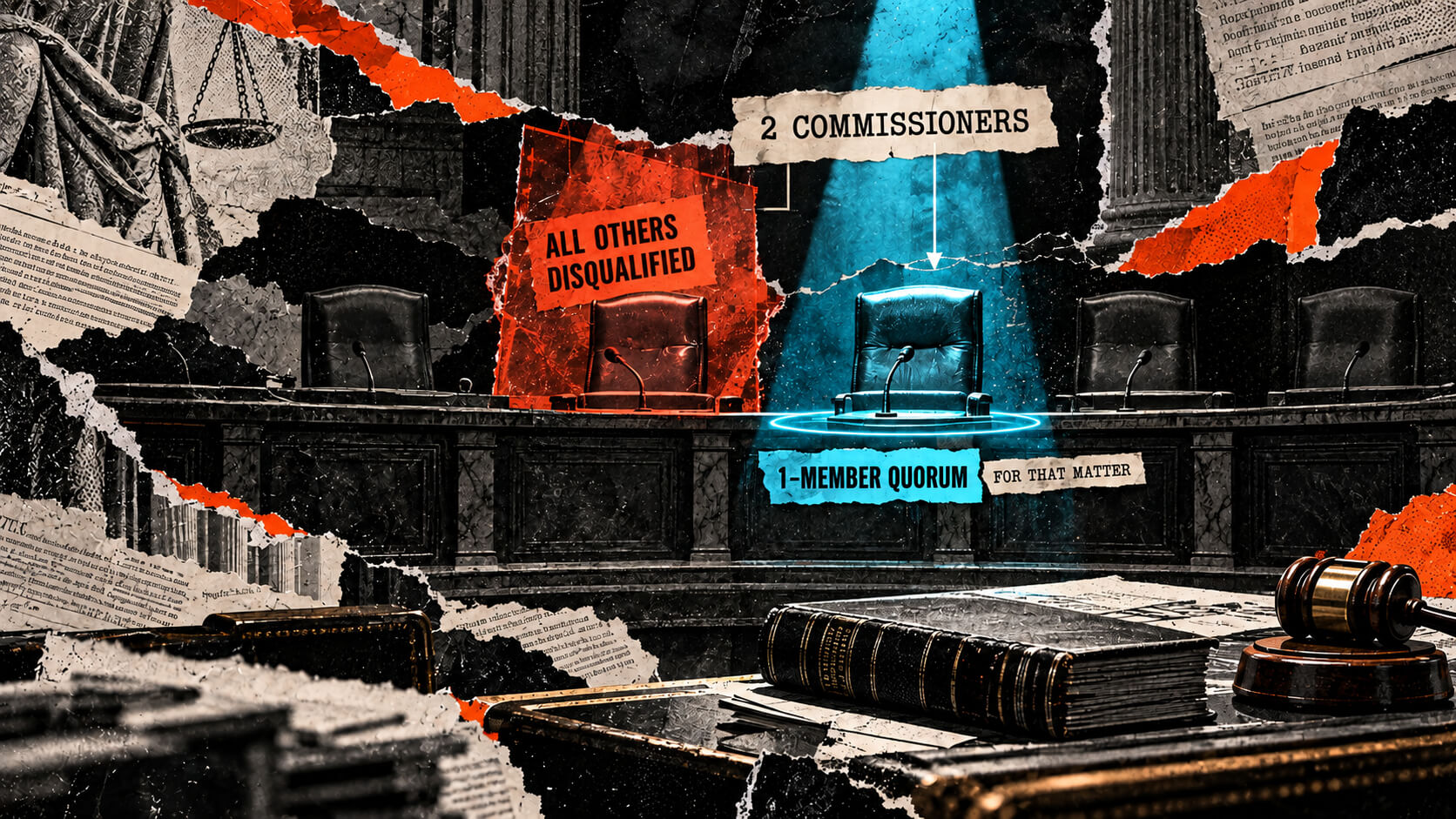
SEC drops to 2 members, and 1 hidden rule shifts crypto power
Hester Peirce’s Oct. 2 resignation has left Paul Atkins and Mark Uyeda as the SEC’s two listed commissioners. A new rule permits o...

Cardano Brings Compliance Rules On-Chain With CIP-0113 Launch
TL;DR: Cardano’s CIP-0113 programmable token standard is now live on mainnet. It gives issuers the ability to build controls such...
Avalanche Tokenized Treasury Market Reaches $545 Million After Rapid Growth
TL;DR: Tokenized US Treasury assets on Avalanche have reached roughly $545 million, according to data highlighted this week. The s...
CFTC Chair Says New Crypto Rulemaking Will Prevent Another FTX-Style Collapse
Bitcoin Magazine CFTC Chair Says New Crypto Rulemaking Will Prevent Another FTX-Style Collapse Pro-crypto regulator Mike Selig has...