Strategist Warns Credit Suisse Next to Collapse — Says ‘There’s a Run on the Bank’
Market strategist Greg Foss has predicted that Credit Suisse will be the next major bank to collapse, citing capital trouble and a run on the bank. The Swiss banking giant has also identified “material weaknesses” in its...
Archive context
Older archive item. Useful for background and entity history, but not a fresh market-moving signal.
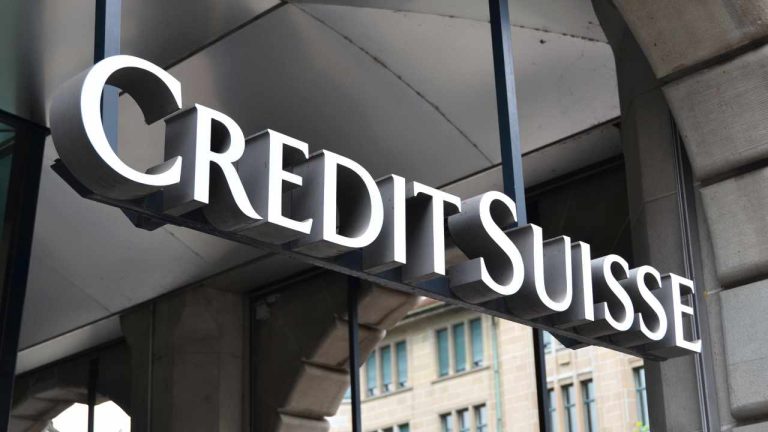
Market strategist Greg Foss has predicted that Credit Suisse will be the next major bank to collapse, citing capital trouble and a run on the bank. The Swiss banking giant has also identified “material weaknesses” in its financial reporting controls. Its shares plunged on Wednesday after the bank failed to raise capital from its largest investor.
Credit Suisse Next to Fall, Says StrategistMarket strategist Greg Foss warned about the impending collapse of Swiss banking giant Credit Suisse on the Coin Stories podcast, published Tuesday. His warning followed the collapses of several major U.S. banks, including Silicon Valley Bank and Signature Bank.
Foss is currently executive director at Validus Power Corp. He was a founding shareholder of 3iQ Corp. and previously held the role of senior portfolio manager with a focus on credit strategies at Fiera Quantum. He was also a managing partner for credit strategies at both GMP Investment Management and Marret Asset Management, and was the VP of Fixed Income Trading at TD Securities.
“Credit Suisse is a systemically important financial institution and there’s a run on the bank,” Foss began, elaborating:
The wealth division is losing assets in magnificent fashion and that’s a very key profit driver for the bank, and it’s essentially a run on the bank.
Credit Suisse is one of the 30 banks identified by the Financial Stability Board (FSB), in consultation with Basel Committee on Banking Supervision and national authorities, as global systemically important banks (G-SIBs). Other banks on the latest list of G-SIBs include JPMorgan Chase, Bank of America, Citigroup, HSBC, and Goldman Sachs.
“If CSFB [Credit Suisse First Boston] gets in trouble, it’s not just about CSFB, it’s about all the other institutions that have exposure or counterparty risks,” he cautioned. In 1988, Credit Suisse acquired First Boston, a well-known investment bank at the time.
Responding to a question about why he believes Credit Suisse will be the next major bank to fall, Foss explained:
Because it’s in big capital trouble. It’s only got a 10-billion-dollar market cap for about a trillion dollars of assets, which is ridiculously low.
The strategist noted that the second largest bank in Switzerland claims that it met the standards set by the Bank of International Settlements (BIS) but he pointed out that the BIS capital standards are not marked to market.
On Wednesday, shares of Credit Suisse plunged after its largest investor, Saudi National Bank, revealed that it could not provide more financial assistance to the Swiss bank. “We cannot because we would go above 10%. It’s a regulatory issue,” said Saudi National Bank chairman Ammar Al Khudairy.
Credit Suisse published its 2022 annual report on Tuesday, stating that it had identified “material weaknesses” in financial reporting controls. The report explains that the bank’s “management did not design and maintain an effective risk assessment process to identify and analyze the risk of material misstatements in its financial statements.”
At the time of writing, the Credit Suisse Group stock is trading at $1.92, down nearly 24% on Wednesday. The stock has fallen more than 97% from its all-time high.
Do you think Credit Suisse is about to fall as warned by market strategist Greg Foss? Let us know in the comments section below.
Why this matters
This cryptocurrency story adds another data point to the current market tape and is useful when read alongside nearby source coverage.
Original source
Read on Bitcoin NewsRelated market context

Paraguay Bank Collapse Shows Why Bitcoin Was Created as USDT Hits Premium
Paraguay bank crisis is showing why Bitcoin was created in the first place. USDT sellers reportedly demanded premiums of up to 13%...

Fed and OCC Quiz U.S. Banks After $6.3 Billion Binance Hack
Bitcoin Magazine Fed and OCC Quiz U.S. Banks After $6.3 Billion Binance Hack U.S. bank regulators contacted banks this week to che...
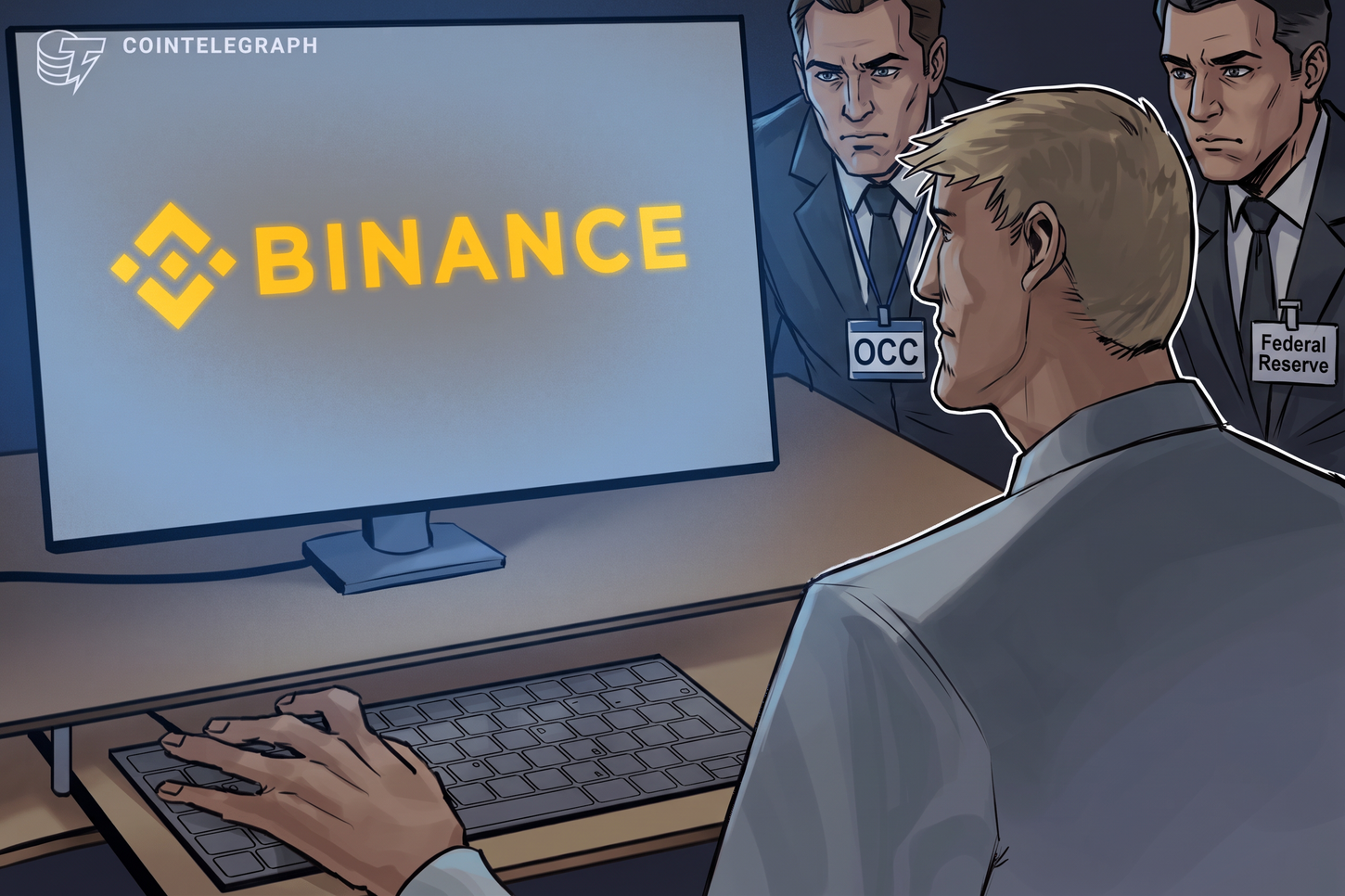
Fed, OCC check US banks after Binance hack as experts flag security risks
US regulators reportedly contacted banks following last week’s $6.3 billion Binance security hack, while experts raised concerns a...
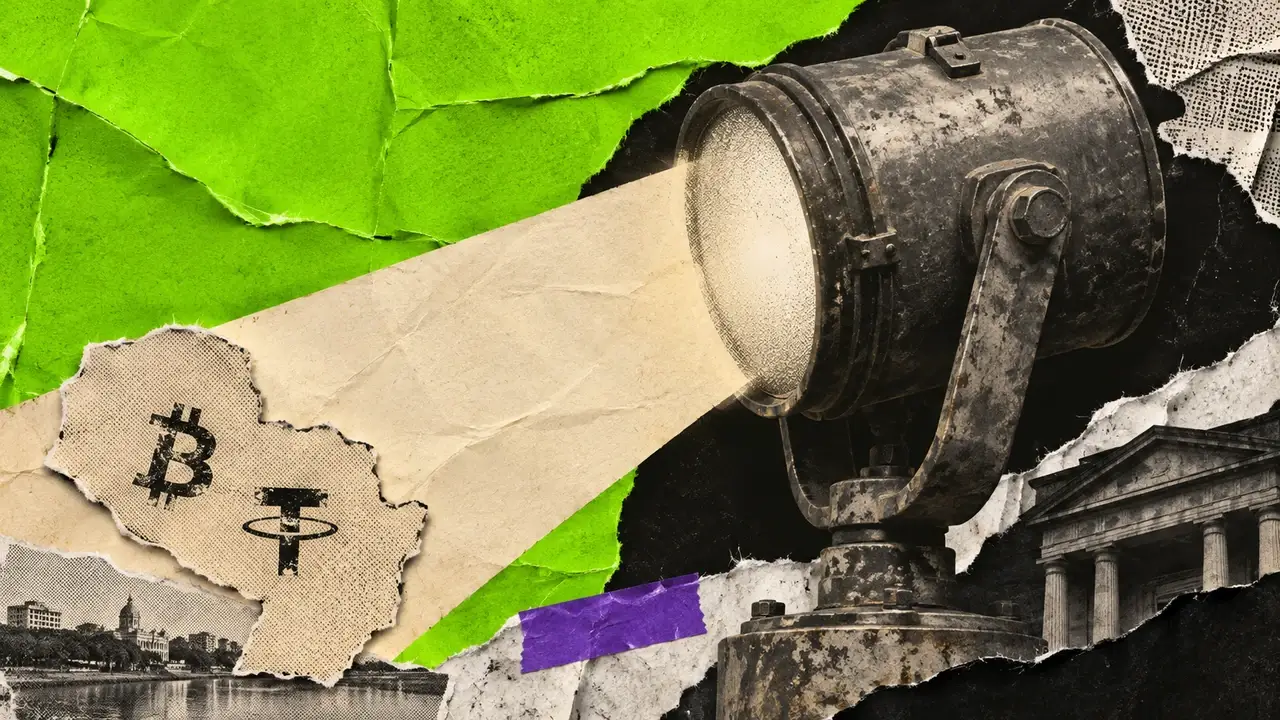
Bitcoin and USDT attract modest premiums in Paraguay as millions face banking crisis
Bitcoin and USDT have traded at premiums in Paraguay's peer-to-peer markets as a banking collapse unsettles the country's financia...

Paraguay Bank Crisis Sends USDT to 13% Premium After Ueno Freeze Hits 3M Customers
Key Takeaways: Bybit P2P listing also went about 13% cheaper than Paraguay’s official dollar rate in USDT. The failure of Ueno Ban...

Nigeria’s Central Bank Now Requires Offshore Stablecoin Issuers to License Locally
Stablecoin issuers based abroad can no longer serve Nigerian users on the strength of a foreign license under a new rulebook from...