US Labor Department Proposes Opening 401(k) Plans to Crypto
The U.S. Department of Labor released a proposed rule Monday that would open 401(k) retirement accounts to cryptocurrencies and other alternative assets – a direct implementation of President Trump’s August executive ord...
Archive context
Older archive item. Useful for background and entity history, but not a fresh market-moving signal.
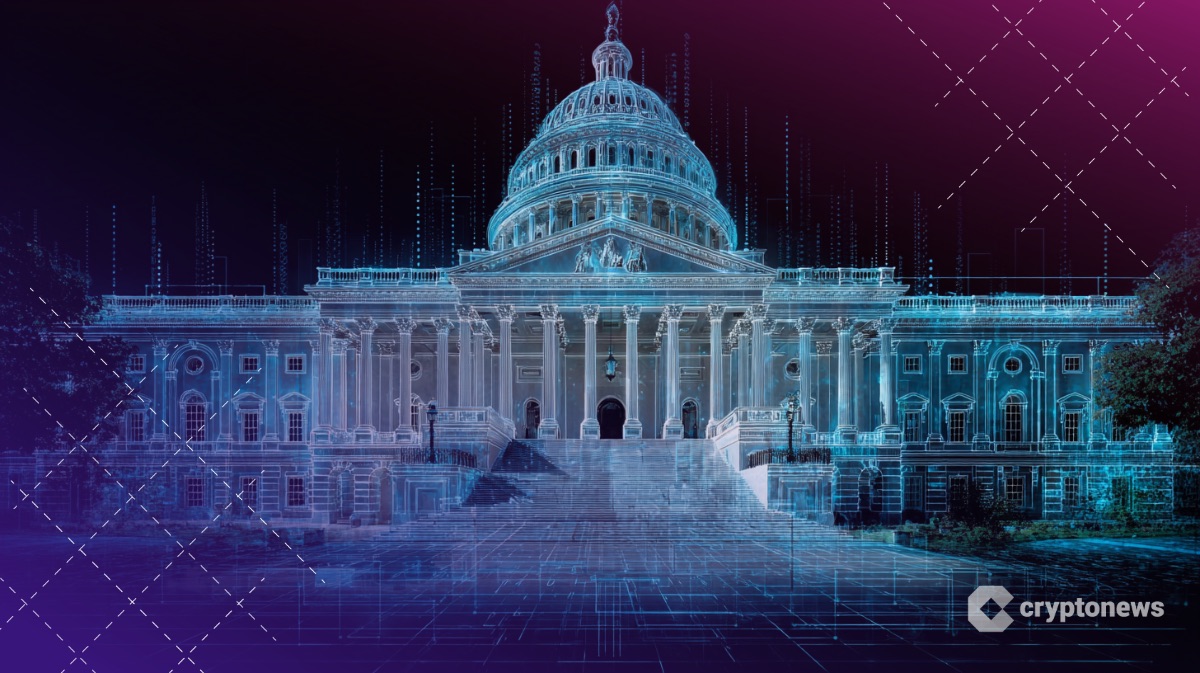
The U.S. Department of Labor released a proposed rule Monday that would open 401(k) retirement accounts to cryptocurrencies and other alternative assets – a direct implementation of President Trump’s August executive order and a structural shift that puts up to $12 trillion in retirement capital within reach of digital asset markets for the first time under a formal regulatory framework.
The proposal does not explicitly approve crypto for retirement plans. What it does is create a safe harbor for ERISA-governed plan managers who choose to include digital assets, provided they follow a defined fiduciary process – removing the single biggest legal deterrent that kept virtually every 401(k) administrator on the sidelines until now.
Key Takeaways:- Market size: Up to $12 trillion in 401(k) assets could gain access to crypto and other alternatives under the proposed rule, against a $48 trillion total U.S. retirement market.
- Safe harbor structure: Plan managers must evaluate risk/return, fees, liquidity, valuation, and complexity – but face no explicit ban or approval of specific assets.
- Timeline: A 60-day public comment period follows Federal Register publication; finalization expected within months, with Indiana’s state-level crypto mandate taking effect July 1, 2027.
- Regulatory origin: OIRA cleared the proposal March 24, 2026, marking it “economically significant” – the highest regulatory classification, signaling broad expected market impact.
Discover: Top Crypto Presales to Watch Before They Launch
How the DOL Proposal Actually Unlocks 401(k) Capital for CryptoThe mechanism is more precise than the headline suggests, and that precision matters enormously for how fast capital actually moves. Under ERISA, plan fiduciaries have always had the legal authority to consider alternative assets – the Labor Department acknowledged this directly in its statement.
The barrier was not statutory prohibition but regulatory ambiguity: a 2022 Biden-era compliance release urged plan managers to apply “extreme caution” to crypto, effectively signaling that inclusion would attract enforcement scrutiny. The DOL rescinded that guidance in May 2025, clearing the first obstacle.
The new proposal completes the regulatory architecture.
Hardworking Americans deserve more options, not less, when they retire.
@POTUS & I are committed to clearing regulatory burdens so workers have access to financial alternatives they can choose from for their 401(k)s.https://t.co/sAodP4mTED pic.twitter.com/E5gKLeVUcr
First, it defines digital assets formally as “a new form of investing that includes a wide variety of assets that can be stored and transmitted digitally, including cryptocurrencies such as bitcoin and other tokens” – giving plan administrators a documented regulatory definition to anchor their fiduciary analysis.
Second, it establishes a uniform evaluation framework requiring assessment of performance history, fee structures, liquidity profiles, valuation methodologies, and complexity disclosures.
Third, it extends ERISA’s existing fiduciary standard – care, skill, prudence, and diligence – explicitly to alternative asset selection, meaning a manager who follows the process has a defensible legal position even if the asset underperforms.
Deputy Secretary of Labor Keith Sonderling framed the shift directly: “Our rule clearly spells out that managers must evaluate any and all potential product offerings by following a prudent process.”
That framing matters because it removes the asymmetric risk that previously defined the decision – where inclusion created legal exposure and exclusion did not. Treasury Secretary Scott Bessent described the proposal as “an initial step in implementing the President’s Executive Order in a safe and smart manner, broadening access to additional retirement plan options for millions of Americans.”
The most important variable now is not regulatory intent – it is whether the comment period produces material revisions that narrow the asset definition or tighten the liquidity requirements enough to functionally exclude most crypto products.
Discover: Best Crypto Exchanges for Active Traders in 2026
The post US Labor Department Proposes Opening 401(k) Plans to Crypto appeared first on Cryptonews.
Why this matters
Bitcoin is showing up inside the Regulation theme, so this story is worth tracking for follow-through rather than treating it as a one-off headline.
Original source
Read on CryptonewsRelated market context

Chainlink’s Sergey Nazarov discusses digital assets and AI at Sibos 2026
The shift towards tokenized deposit chains by banks signifies a move from experimentation to infrastructure ownership, necessitati...

XRP Price Eyes New Catalyst as Ripple Partners With South Korea’s Meritz
Ripple and South Korean brokerage Meritz Securities have signed a strategic partnership to assess Ripple Custody and Ripple’s toke...

Hong Kong to regulate bitcoin and digital assets with new legislation this year
Hong Kong's regulatory move may bolster investor trust and align with global trends, potentially driving increased bitcoin adoptio...
Tether signs MoU with Kazakhstan’s central bank to explore tenge stablecoins and tokenized assets
Kazakhstan's collaboration with Tether could enhance its fintech landscape, potentially boosting local currency integration in dig...

Metaplanet Sold 10,000 Bitcoin, Then Bought 11,000 Back. Here’s Why
TL;DR: Metaplanet disclosed that it sold 10,000 BTC during the third quarter for roughly $790 million before buying 11,000 BTC for...

Tether Signs Deal With Kazakhstan's Central Bank to Explore a Stablecoin and Tokenized Assets
Tether, issuer of the USDT stablecoin, will help Kazakhstan's central bank study a tenge-pegged token and put real-world assets on...