Uzbekistan Allows Foreign Firms to Deposit Funds From Crypto Trading, Restricts Other Operations
The Central Bank of Uzbekistan has permitted foreign-based businesses to open domestic bank accounts and deposit funds received from cryptocurrency trading. These companies will also be able to transfer the money abroad,...
Archive context
Older archive item. Useful for background and entity history, but not a fresh market-moving signal.
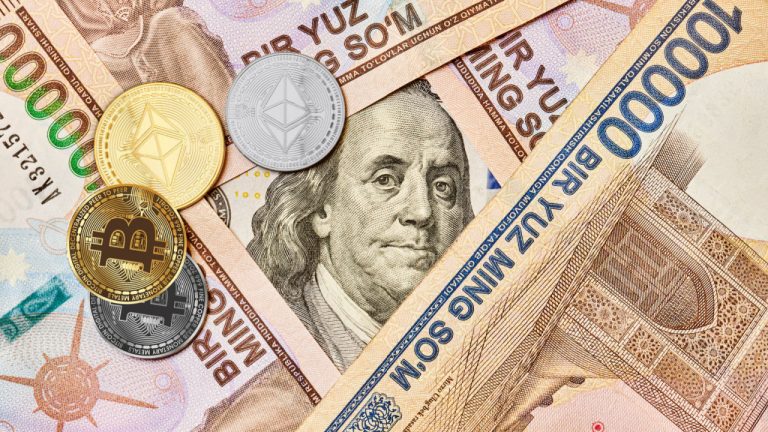
The Central Bank of Uzbekistan has permitted foreign-based businesses to open domestic bank accounts and deposit funds received from cryptocurrency trading. These companies will also be able to transfer the money abroad, but operations in the country will be restricted.
Uzbekistan Updates Rules for Operations With Proceeds From Crypto Exchange TransactionsThe Central Bank of the Republic of Uzbekistan has adopted amendments to its regulations for foreign exchange transactions that concern non-resident legal entities, including those working with cryptocurrencies. In particular, they are now allowed to have accounts at local banks but the options to operate with funds coming from cryptocurrency trading are narrow.
According to the new rules, money transferred from foreign accounts of companies participating in crypto exchanges or amounts received from the sale of crypto assets can be deposited into foreign currency accounts in Uzbekistan, the legal information portal Norma.uz announced, quoted by the crypto news outlet Forklog.
These funds can then be either transferred to an exchange in order to again buy digital coins or to the accounts of the foreign-registered entities in the jurisdictions from which the money originally came. However, their use for other purposes in Uzbekistan is prohibited, the report revealed.
The changes have entered into force on Feb. 9, 2023. Before that date, foreign non-resident companies could not open accounts in Uzbekistan’s banks with few exceptions envisaged by the law.
The government of Uzbekistan has been taking steps to regulate its crypto market. In late 2022, the authority overseeing the sector, the National Agency of Perspective Projects (NAPP) under President Shavkat Mirziyoyev, approved rules for the issuance and circulation of crypto assets.
The agency also regulated the licensing of crypto exchanges. Five trading platforms are now authorized to operate in the country — the state-controlled exchange Uznex and four smaller “crypto shops.” Meanwhile, the authorities in Tashkent have been trying to restrict access to foreign trading websites.
Residents of Uzbekistan were allowed to trade digital currencies on domestic exchanges in November 2021. While crypto-related transactions are tax free, crypto service providers in Uzbekistan are required to pay monthly fees. Earlier this month, the NAPP revealed that licensed crypto companies have paid over $310,000 to the budget last year.
Do you think foreign crypto companies will avoid working in Uzbekistan due to the latest restrictions on the use of crypto-related funds? Share your thoughts on the subject in the comments section below.
Why this matters
This cryptocurrency story adds another data point to the current market tape and is useful when read alongside nearby source coverage.
Original source
Read on Bitcoin NewsRelated market context
Binance-Controlled Korean Exchange GOPAX Stops Trading, Makes Users Email to Withdraw Crypto
Customers of GOPAX, a Korean exchange whose operator Streami is majority-owned by Binance, can now get crypto out only by emailing...
South Korean Crypto Exchange Gopax Suspends Withdrawals and Trading After Hacking Threat
Bitcoin Magazine South Korean Crypto Exchange Gopax Suspends Withdrawals and Trading After Hacking Threat South Korean cryptocurre...

Paraguay Bank Collapse Shows Why Bitcoin Was Created as USDT Hits Premium
Paraguay bank crisis is showing why Bitcoin was created in the first place. USDT sellers reportedly demanded premiums of up to 13%...
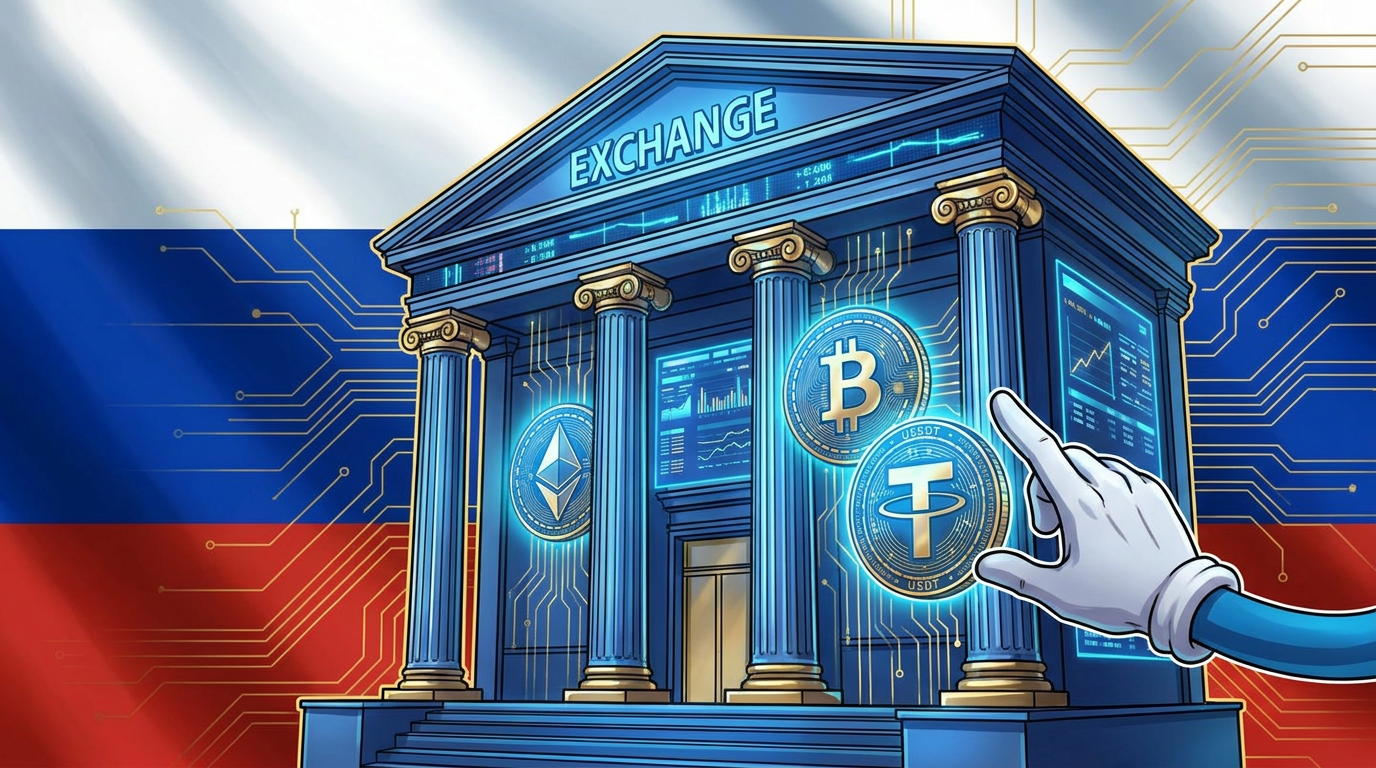
Russia finalizes crypto trading rules ahead of Nov. 17 rollout
The rules allow retail investors to trade BTC, ETH and USDT through regulated intermediaries, with Moscow Exchange planning to lau...
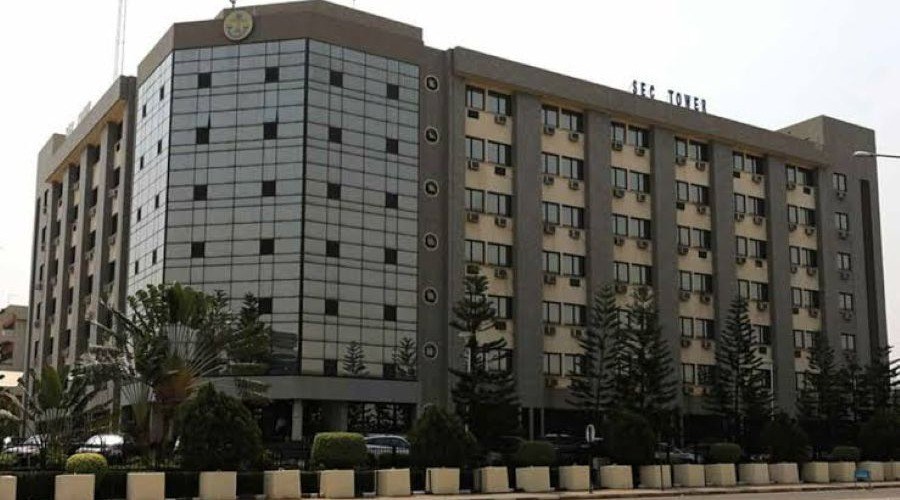
Nigeria Erects Strict Stablecoin Wall, Demanding $11M Local Subsidiaries for US Dollar Tokens
Nigeria has adopted regulations for non-security virtual assets that make it one of the most restrictive stablecoin market-access...
Nigeria’s Central Bank Now Requires Offshore Stablecoin Issuers to License Locally
Stablecoin issuers based abroad can no longer serve Nigerian users on the strength of a foreign license under a new rulebook from...