Federal Reserve Bank of Boston and MIT Release Central Bank Digital Currency Research and Open-Source Code
The Federal Reserve Bank of Boston and the Massachusetts Institute of Technology (MIT) have jointly published the initial findings of their central bank digital currency (CBDC) research. They also published the open-sour...
Archive context
Older archive item. Useful for background and entity history, but not a fresh market-moving signal.
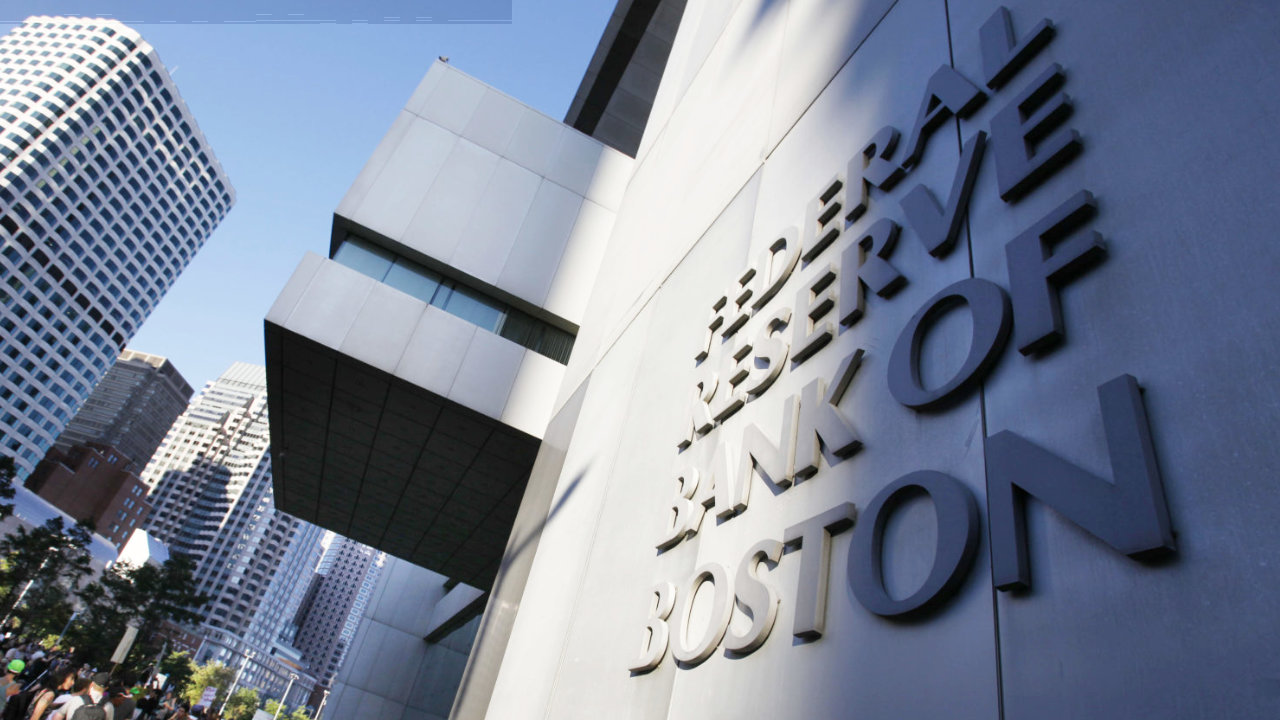
The Federal Reserve Bank of Boston and the Massachusetts Institute of Technology (MIT) have jointly published the initial findings of their central bank digital currency (CBDC) research. They also published the open-source code for the CBDC project.
The Federal Reserve Bank of Boston and the Digital Currency Initiative at the Massachusetts Institute of Technology (MIT) released the initial findings of their central bank digital currency (CBDC) research on Thursday.
This research is separate from the digital dollar research conducted by the Federal Reserve Board. The Federal Reserve also recently published its long-awaited CBDC report.
The collaboration between the Boston Fed and MIT, known as Project Hamilton, “focuses on technological experimentation and does not aim to create a usable CBDC for the United States,” they explained. The initiative was announced in 2020.
Boston Fed Executive Vice President and Interim Chief Operating Officer Jim Cunha said, “It is critical to understand how emerging technologies could support a CBDC and what challenges remain,” adding:
This collaboration between MIT and our technologists has created a scalable CBDC research model that allows us to learn more about these technologies and the choices that should be considered when designing a CBDC.
“The work produced one code base capable of handling 1.7 million transactions per second,” the project whitepaper details.
The researchers also released the code for Project Hamilton, OpenCBDC. The open-source code is available in github for contributions.
Neha Narula, director of MIT’s Digital Currency Initiative, commented: “There are still many remaining challenges in determining whether or how to adopt a central bank payment system for the United States.”
According to the announcement:
In the coming years, the second phase of this partnership will allow Project Hamilton to explore alternative technical designs to improve the already robust privacy, resiliency, and functionality of the technology outlined in the first phase.
What do you think of the Boston Fed and MIT releasing their initial research and open-source code on central bank digital currency? Let us know in the comments section below.
Why this matters
This research story adds another data point to the current market tape and is useful when read alongside nearby source coverage.
Original source
Read on Bitcoin NewsRelated market context

Tether Signs Deal With Kazakhstan's Central Bank to Explore a Stablecoin and Tokenized Assets
Tether, issuer of the USDT stablecoin, will help Kazakhstan's central bank study a tenge-pegged token and put real-world assets on...

OpenAI math breakthroughs raise ‘bunker mode’ alarm from Bitcoin researcher Justin Drake
OpenAI’s latest advances in mathematics have prompted a leading Ethereum researcher to warn that crypto’s core wallet security cou...

Russia’s Sberbank Given Green Light to Custody Bitcoin
Bitcoin Magazine Russia’s Sberbank Given Green Light to Custody Bitcoin Russia’s largest bank has announced it is the first in the...

SoFi launches stablecoin card settlement on Mastercard, projecting over $25 billion a year
SoFi's stablecoin initiative could revolutionize banking by enhancing transaction efficiency, though adoption and consumer awarene...

HTX Ventures Publishes New Report on the Convergence of CeFi, DeFi, and TradFi
HTX Ventures, the global investment arm of HTX, has published a new report titled The Convergence of CeFi, DeFi, and TradFi in 202...
US government moves $470 million in seized crypto to Coinbase wallets, raising Bitcoin sale questions
The US government moved about $470 million in seized crypto to likely Coinbase Prime addresses, according to Arkham, reviving ques...