Tornado Cash Swoops to Victory
In August 2022, OFAC sanctioned Tornado Cash, a cryptocurrency mixer, alleging its involvement in laundering over $7 billion in virtual currency since its inception in 2019. The agency claimed that Tornado Cash facilitat...
Archive context
Older archive item. Useful for background and entity history, but not a fresh market-moving signal.

In August 2022, OFAC sanctioned Tornado Cash, a cryptocurrency mixer, alleging its involvement in laundering over $7 billion in virtual currency since its inception in 2019. The agency claimed that Tornado Cash facilitated illicit activities, including laundering funds for the North Korean hacking group Lazarus.
The Court’s DecisionOn November 26, 2024, the Fifth Circuit Court of Appeals delivered its opinion, stating that OFAC overstepped its authority by sanctioning Tornado Cash’s immutable smart contracts. The court emphasized that these smart contracts, being self-executing lines of code without any administrative control, do not constitute “property” under the International Emergency Economic Powers Act (IEEPA).
The court’s opinion highlighted that while OFAC has the authority to regulate property, the immutable nature of these smart contracts means they cannot be owned or controlled by any entity, and thus, do not fall under OFAC’s jurisdiction.
Source: X
Implications for the Crypto IndustryThis ruling is seen as a significant victory for the cryptocurrency industry, particularly for advocates of decentralized finance (DeFi) and open-source software development. It underscores the legal distinction between sanctioning individuals or entities and sanctioning autonomous software protocols.
Paul Grewal, Chief Legal Officer at Coinbase, remarked, “These smart contracts must now be removed from the sanctions list, and U.S. persons will once again be allowed to use this privacy-protecting protocol.”
While the court’s decision lifts sanctions on Tornado Cash’s smart contracts, it does not preclude OFAC from targeting individuals or entities that misuse such protocols for illicit activities. The ruling calls for a nuanced approach to regulating decentralized technologies, balancing the need for oversight with the importance of innovation and privacy.
As the cryptocurrency landscape continues to evolve, this case sets a precedent for how autonomous software protocols are treated under U.S. law, potentially influencing future regulatory actions and the development of decentralized applications.
Why this matters
This research story adds another data point to the current market tape and is useful when read alongside nearby source coverage.
Original source
Read on Brave New CoinRelated market context

A $5 billion Bitcoin fortune is at stake, but UK court says being defrauded isn’t enough to claim it
A London judge rejected Chinese fraud victims' bid to use English law to claim more than 61,000 seized Bitcoin. In an Oct. 12 ruli...

South Korea’s Jeonbuk Bank Lends Won Against Bitcoin, Using Court Sales for Defaults
Jeonbuk Bank, a regional South Korean lender, has extended a corporate loan in won secured by Bitcoin, under a setup in which the...
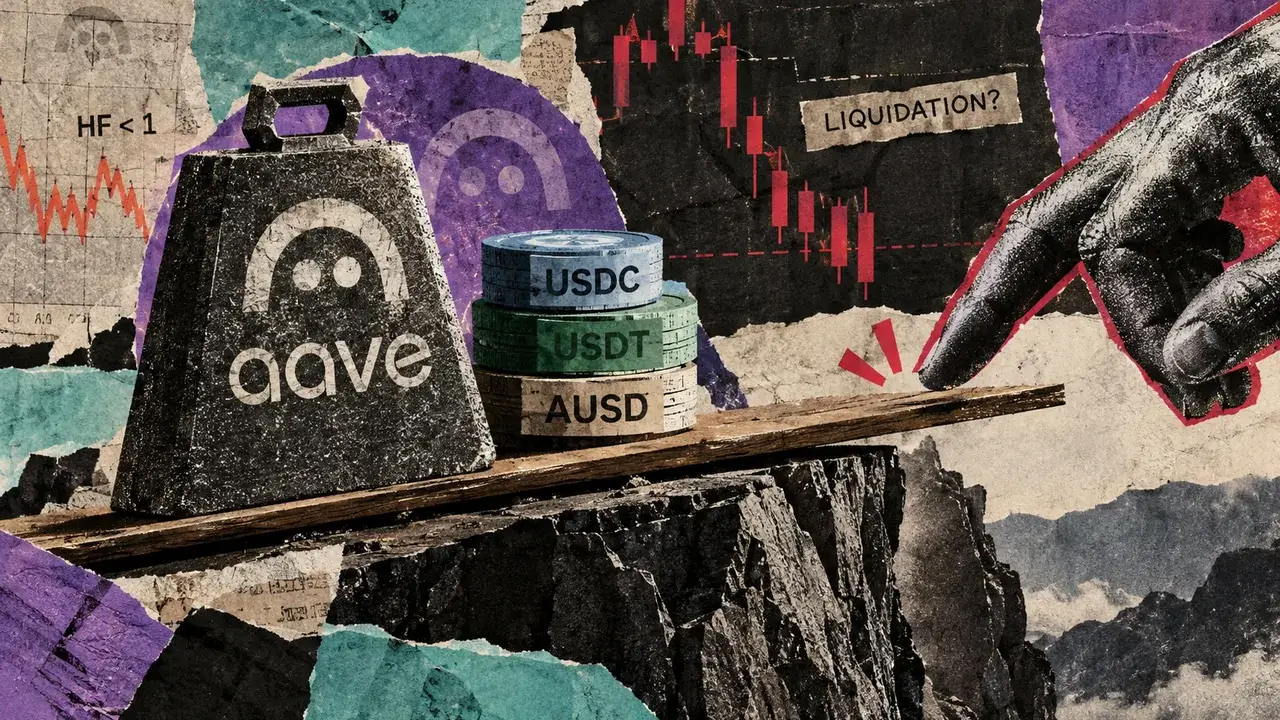
Some Aave loans sit near liquidation with collateral that can take hours to cash out
Some Aave loans backed by yield-bearing collateral had narrow liquidation buffers in LlamaRisk’s Oct. 9 snapshots. Every top PT-AU...

Bitcoin ETF Outflows Reach $65 Million as BlackRock Bleeds Cash
BlackRock’s iShares Bitcoin Trust (IBIT) recorded $65.4 million in net outflows yesterday, accounting for the entire withdrawal fr...

UK Court Ruling Strengthens Government’s Claim to $5 Billion in Seized Bitcoin
A London High Court ruling that Chinese law governs claims to 61,000 seized BTC narrows victims' path to recovery and boosts UK Tr...
NFT Marketplace Blur Is Retiring Blur.io on Nov. 12, Keeping Its Contracts Live Onchain
NFT marketplace Blur will stop running its blur.io website on Nov. 12, 2026, the team said on X on Monday, Oct. 12. The change is...