Mexico’s Central Bank Governor Says Bitcoin Is Not Money
According to Alejandro Diaz, governor of Mexico’s central bank el Banco de México, Bitcoin is not real money. “Whoever receives Bitcoin in exchange for a good or service, we believe that transaction is more akin to barte...
Archive context
Older archive item. Useful for background and entity history, but not a fresh market-moving signal.
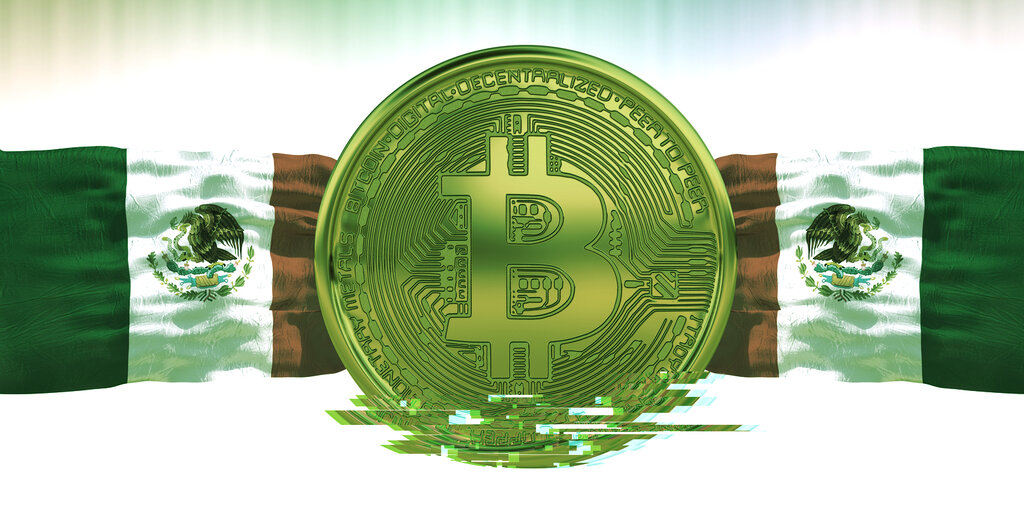
According to Alejandro Diaz, governor of Mexico’s central bank el Banco de México, Bitcoin is not real money.
“Whoever receives Bitcoin in exchange for a good or service, we believe that transaction is more akin to bartering because that person is exchanging a good for a good, but nor really money for a good,” Diaz reportedly said.
“Bitcoin is more like a dimension of precious metals than daily legal tender,” he added.
Bitcoin: a poor store of value?Diaz said that Bitcoin is not a reliable store of value either, taking aim at one of the most popular narratives shared by advocates of the flagship cryptocurrency.
“People will not want their purchasing power, their salary to go up or down 10% from one day to another. You don't want that volatility for purchasing power,” said Diaz. “In that sense, it is not a good safeguard of value.”
In El Salvador—the only country in the world where Bitcoin is legal tender—many citizens would agree with Diaz.
Salvadorans have protested—and protested some more—to prevent the government from adopting the cryptocurrency as legal tender.
Despite the controversy, as well as warnings from international organizations like the World Bank and the IMF, El Salvador’s President Bukele pushed forward, making it the first country in the world to do so.
El Salvador Forced Through Its Bitcoin Law by Any Means NecessaryDuring the first few hours of El Salvador’s Bitcoin project, the cryptocurrency almost immediately plunged by double-digits, adding credence to Diaz’s warnings.
When Bukele announced the purchase of 200 Bitcoin (and revealed the country had already purchased 400 Bitcoin for its reserves) the cryptocurrency was priced close to $53,000. Soon thereafter, Bitcoin fell by more than 10%, resulting in millions of dollars worth of losses in just a few hours.
Bukele—like most other ardent Bitcoiners—reacted by buying the dip. A move that would likely not gain approval if someone asked Mexico’s central bank.
Why this matters
This bitcoin story adds another data point to the current market tape and is useful when read alongside nearby source coverage.
Original source
Read on DecryptRelated market context
Russia’s Central Bank Authorizes Sberbank to Exchange Cryptocurrencies
Bitcoin Magazine Russia’s Central Bank Authorizes Sberbank to Exchange Cryptocurrencies Russia’s central bank has added Sberbank t...

Largest Philippines crypto exchange, Coins.ph, said to face central bank regulatory action
The exchange, which has over 18 million customers, is said to have handled business transactions involving restricted offshore gam...
Kraken Parent Company Payward to Buy Saldo Bank in European Banking Push
Bitcoin Magazine Kraken Parent Company Payward to Buy Saldo Bank in European Banking Push Payward, the parent company of crypto ex...
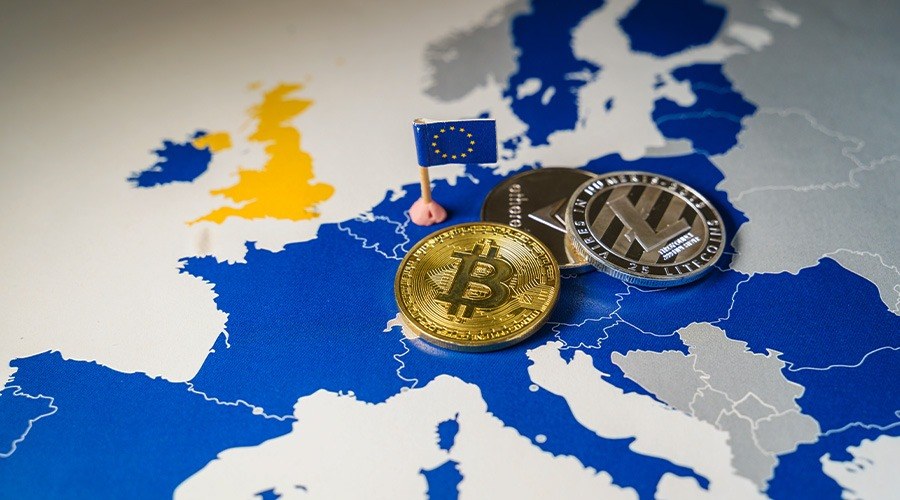
EU Banking Regulator Takes Over Key Oversight of Circle’s USDC Stablecoin
The European Banking Authority (EBA) classified Circle's USDC as a significant e-money token under the Markets in Crypto-Assets Re...

Payward Signs Deal for Saldo Bank, Giving Kraken’s Owner a Foothold in EU Banking
Payward, the parent company of crypto exchange Kraken, has signed a definitive agreement to buy Saldo Bank, a digital lender licen...
Qivalis receives EMI authorization from Dutch central bank for euro stablecoin
Qivalis said the EMI authorization enables it to launch a euro-denominated stablecoin, with issuance planned for the coming months...