Tether Lending Stablecoins Backed by Bitcoin, Ethereum: Celsius CEO
Stablecoins pegged to fiat currencies have been reportedly backed by cash reserves and similar assets, but new reports reveal the extent to which this may not be true. Alex Mashinsky, CEO of crypto lending platform Celsi...
Archive context
Older archive item. Useful for background and entity history, but not a fresh market-moving signal.
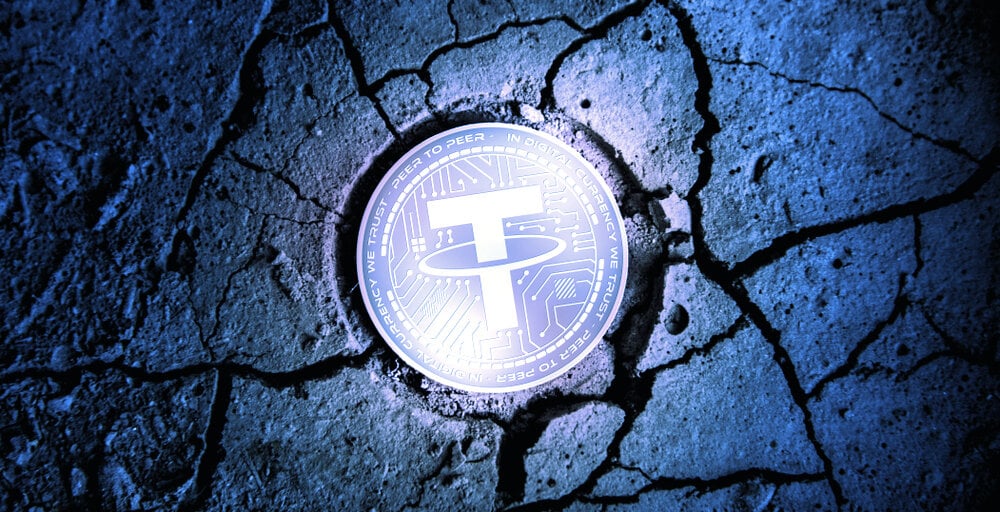
Stablecoins pegged to fiat currencies have been reportedly backed by cash reserves and similar assets, but new reports reveal the extent to which this may not be true.
Alex Mashinsky, CEO of crypto lending platform Celsius, said today that stablecoin giant Tether is now issuing its dollar-pegged cryptocurrency in exchange for cryptocurrencies like Bitcoin and Ethereum.
Mashinsky told the Financial Times that, “If you give them enough collateral, liquid collateral, Bitcoin, Ethereum and so on . . . they will mint tether against it,” before elaborating that the Tether (USDT) issued in such cases is destroyed when the loan is closed so as not to increase the coins in circulation.
What the firm is allegedly doing is in direct conflict with the firm’s legal terms. Section 3 of Tether’s own terms plainly states: “Tether will not issue Tether Tokens for consideration consisting of the Digital Tokens (for example, bitcoin); only money will be accepted upon issuance.”
More Tether controversyIt’s not the first time that Tether’s adherence to the principle of 1:1 issuance of stablecoins has been called into question.
Earlier this year, Tether was hit with a $41 million fine by the Commodity Futures Trading Commission (CFTC)—an independent watchdog of the U.S. government that regulates derivatives.
The CFTC said that the firm’s stablecoins were not backed 1:1 by dollar reserves over most of the period spanning June 1, 2016, to February 25, 2019. The Commission also said that Tether didn’t disclose the fact that it included many non-fiat assets in its reserves and failed to undergo professional audits to demonstrate the fidelity of its reserves to the amount of USDT in circulation.
Fitch Ratings Issues Stablecoin WarningThe CFTC also alleged that over a 26-month period from 2016 to 2018, the firm’s reserves were only sufficient little more than a quarter of the time. The stablecoin issuer also used “unregulated entities” to hold funds.
This summer the firm promised it would release its long-awaited audits “within months” after fellow stablecoin issuer Paxos said: “Neither USDC nor Tether is a regulated digital asset, for the simple reason that neither token has a regulator. In fact, neither USDC nor Tether tokens are ‘stablecoins’ in anything other than name.”
In August, the firm cited an audit by Moore Cayman to assure the public that its stablecoin was indeed fully backed. Though the value backing Tether indeed matched the number of tokens in circulation, only 10% of that backing was held in cash and bank deposits.
Why this matters
This ethereum story adds another data point to the current market tape and is useful when read alongside nearby source coverage.
Original source
Read on DecryptRelated market context
Frax CEO says businesses will drive next wave of stablecoin adoption as firm tests lending product
Frax CEO Sam Kazemian outlines plans for receivables financing, business payments and stablecoin lending through FraxNet. The post...
Chainlink Expands LG Tech Arm Tie-Up Into Formal Partnership on Korean Stablecoins
Chainlink and LG CNS, the technology arm of South Korea’s LG Group, announced a strategic partnership on Oct. 22, widening a relat...

Blumenthal Asks Tether to Detail Every Payment to Nxum, Bo Hines’ Consulting Firm
Sen. Richard Blumenthal (D-Conn.), the ranking member of the Senate Permanent Subcommittee on Investigations, demanded records on...
Solayer Pay Adds Five Blockchain Networks For Direct Stablecoin Card Deposits
TL;DR: Solayer Pay says its card app now accepts supported stablecoin deposits from Solana, Ethereum, Arbitrum, BNB Chain and Base...

Bank of Korea Wants Stablecoins Written Into Forex Law as Crypto Bill and Tax Fight Come to a Head
Bitcoin Magazine Bank of Korea Wants Stablecoins Written Into Forex Law as Crypto Bill and Tax Fight Come to a Head The Bank of Ko...
US Senator Questions Tether Over Reported Payments Linked To Former Crypto Adviser
TL;DR: Senator Richard Blumenthal has demanded records from Tether and consultancy Nxum over reported payments and potential ethic...