Short-Seller Research Firm Offers $1M Bounty to Uncover Tether's True Backing
Hindenburg Research, a financial research firm focused on short-selling and exposing fraud, has announced a reward of up to $1,000,000 for "exclusive details" on the "supposed reserves" backing Tether (USDT), the world's...
Archive context
Older archive item. Useful for background and entity history, but not a fresh market-moving signal.
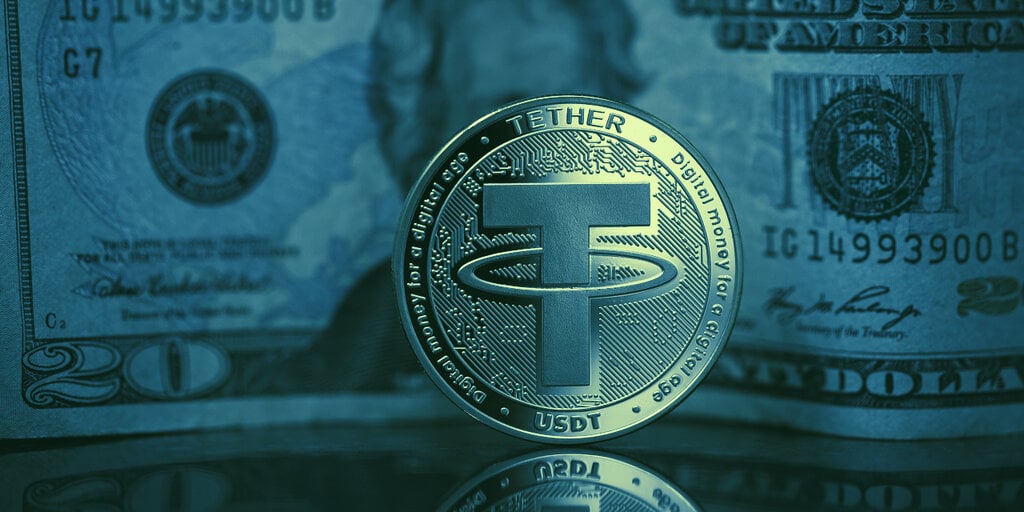
Hindenburg Research, a financial research firm focused on short-selling and exposing fraud, has announced a reward of up to $1,000,000 for "exclusive details" on the "supposed reserves" backing Tether (USDT), the world's largest stablecoin.
The firm said that the Hindenburg Tether Bounty Program aims to uncover “information leading to previously undisclosed details" about Tether's backing, as the “disclosures around its holdings have been opaque.”
We have doubts about the legitimacy of Tether, so today we announce the Hindenburg Tether Bounty Program, a reward of up to $1,000,000 for details on Tether’s backing.
— Hindenburg Research (@HindenburgRes) October 19, 2021
Tether Limited, the issuer of the stablecoin, has historically claimed that each USDT is pegged at 1:1 to the U.S. dollar, though critics have repeatedly questioned this claim.
Earlier this year, the firm revealed that as of March 2021 only 76% of its reserves were held in cash and cash equivalents, with the remainder of the reserves allocated to secured loans, bonds, and other investments, including Bitcoin.
A subsequent assurance report released in August indicated that a mere 10% of the stablecoin's backing comes from cash and bank deposits, while nearly 50% of the reserves, or more than $30 billion, were held in commercial paper—a form of unsecured, short-term debt issued by a corporation.
Tether Is Backed by Nearly 50% Commercial Paper Says New Report“We feel strongly that Tether should fully and thoroughly disclose its holdings to the public,” said Hindenburg Research founder Nathan Anderson. “In the absence of that disclosure, we are offering a $1,000,000 bounty to anyone who can provide us exclusive detail on Tether’s supposed reserves.”
Tether’s reserves under the lensThis is not the first time the stablecoin’s backing has been questioned.
The announcement of the Hindenburg Tether Bounty Program comes hot on the heels of Tether being slapped with a $41 million fine by the Commodity Futures Trading Commission (CFTC) for providing “untrue” statements about its fiat-backed reserves.
Tether Hit With $41 Million Fine for Lying About Dollar Reserves: CFTCAccording to the regulator, for the majority of the period between June 1, 2016, to February 25, 2019, Tether’s cryptocurrency was not fully backed by the U.S. dollar as the firm claimed. Further, the stablecoin provider didn’t disclose the fact that it included many non-fiat assets in its reserves.
Crypto exchange Bitfinex, which is Tether’s sister company, was also hit with a $1.5 million fine for allegedly letting American residents buy and sell Bitcoin and USDT without having registered with the CTFC.
To add to the controversy, Alex Mashinsky, the CEO of crypto lending platform Celsius Network, recently alleged that Tether is now issuing its dollar-pegged coins in exchange for cryptocurrencies like Bitcoin and Ethereum, which, if true, violates the firm’s own term of service.
UPDATE, Oct. 20 at 10:20am EST: A spokesperson for Tether sent Decrypt this vociferous response to the Hindenburg bounty announcement.
"This stunt from Hindenburg Research is a pathetic bid for attention while others are making real change and building wealth and results," Tether says. "They are attempting to discredit not just Tether, but an entire movement. Thankfully, everyone sees through their opportunism as Bitcoin approaches another all time high.This is not the first time Hindenburg Research has orchestrated an apparent scheme in pursuit of profit. Nor will it be the last. Tether abhors and denounces their actions and transparent motives. Tether’s history of always honoring our customers’ needs, while navigating developing regulations and industry norms, shows our primary commitment to our stakeholders through trust and innovation.Tether is a trailblazer, a special breed in business, and we have big visions for the future. Like those that came before us, and those who will come after, we are scrutinized more than others, and especially our peers and competitors, but we understand our role and responsibility and will continue to focus on our customers’ requirements and defending the crypto markets"
Why this matters
This research story adds another data point to the current market tape and is useful when read alongside nearby source coverage.
Original source
Read on DecryptRelated market context
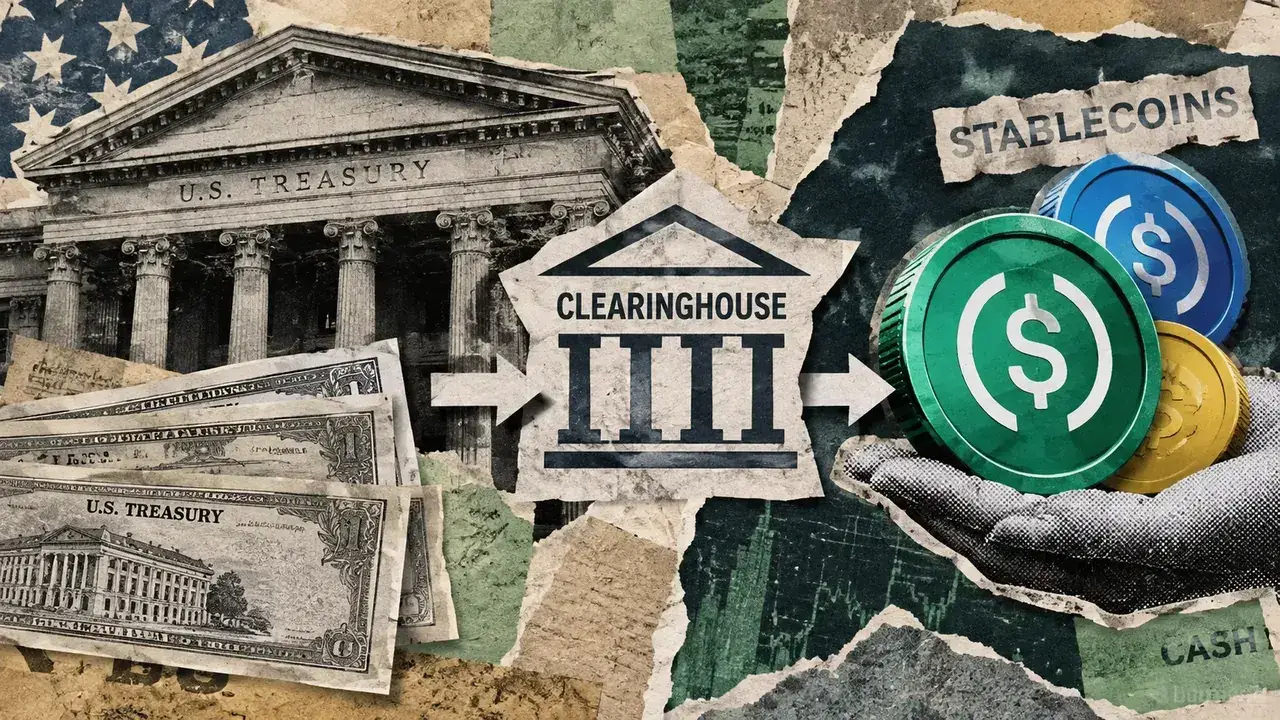
New Treasury rules could change how stablecoin issuers get your dollars back
US government debt is one of the easiest assets in the world to borrow against, which lets financial companies get cash without gi...

Stablecoin issuers have replaced 40% of China’s lost US Treasury demand
Stablecoin issuers are emerging as a new source of demand for US government debt as foreign official holdings lose ground. Tether...
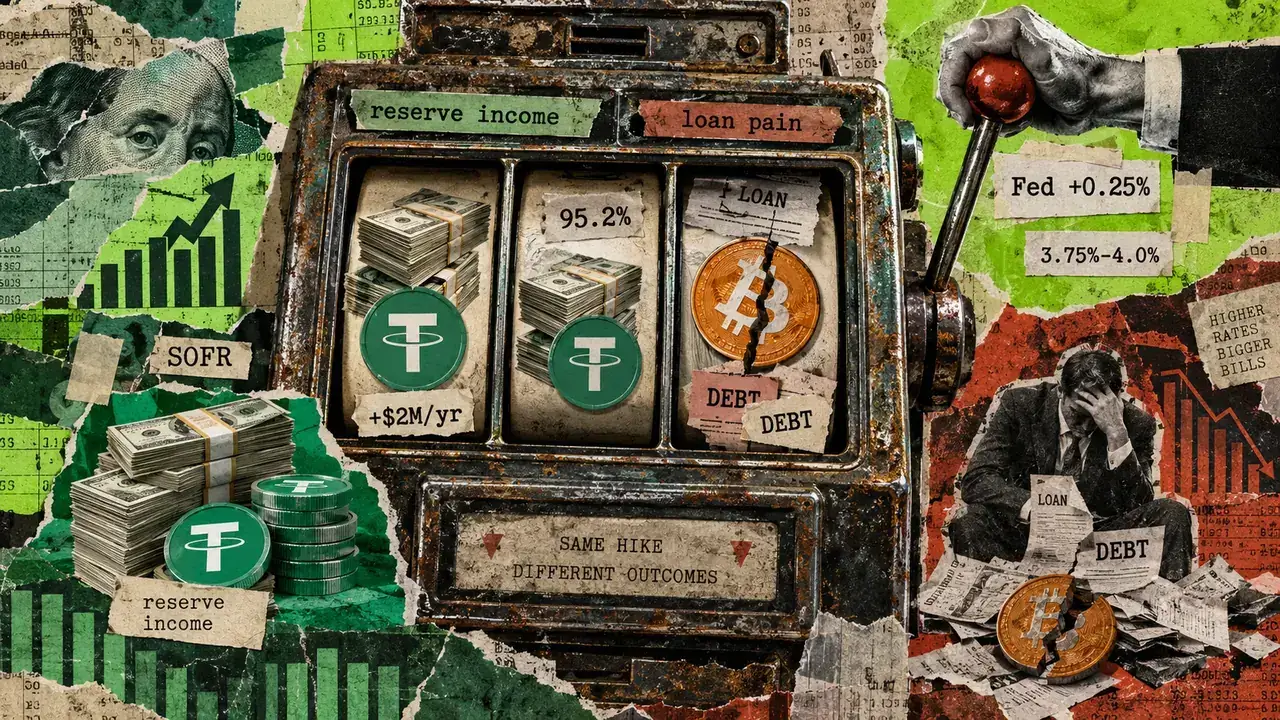
The same Fed rate hike can help stablecoins and hurt Bitcoin borrowers
When you hold a dollar stablecoin, somebody else may be earning interest on the assets backing your balance, while a company borro...
Tether brings USDT back to Bitcoin with private transfers and swaps
Tether's USDT return to Bitcoin could reduce reliance on wrapped tokens, enhancing privacy and potentially reshaping crypto financ...
Tether's USDT is 'coming home' to Bitcoin this month over a decade after debut there
A Tether-backed project, Utexo, plans to support private USDT transfers, direct swaps between BTC and USDT and loans backed by BTC...

HSBC RedCoin Targets 74% Stablecoin-Aware Users Ahead of Hong Kong Launch
Key Takeaways: HSBC has officially unveiled the name of its stablecoin, HSBC RedCoin Of the 1,060 consumers surveyed, 74% now unde...