South Korea’s Financial Regulator Rules Out National Bitcoin Reserve Plans
Financial Services Commission (FSC) Chairman Kim Byung-hwan said during a television interview that South Korea would take a wait-and-see approach, particularly monitoring how other nations respond to U.S. President-elec...
Archive context
Older archive item. Useful for background and entity history, but not a fresh market-moving signal.

Financial Services Commission (FSC) Chairman Kim Byung-hwan said during a television interview that South Korea would take a wait-and-see approach, particularly monitoring how other nations respond to U.S. President-elect Donald Trump’s cryptocurrency adoption plans.
“We aren’t anywhere near a move to [build a Bitcoin reserve] at the moment,” Kim said, emphasizing the need to prioritize investor protection over rapid adoption of digital assets.
The announcement comes at a time when cryptocurrency trading volumes on South Korean exchanges have surpassed those of traditional stock markets. Despite this surge in crypto activity, the FSC remains skeptical about cryptocurrencies’ potential economic benefits compared to conventional stock markets.
“We consider stock market investments to be an important economic factor, as the stock markets create a virtuous circle,” Kim said. “However, we are not sure if cryptoassets can really have a positive effect on the economy.”
The regulatory body’s conservative position reflects ongoing concerns about market volatility and investor protection. The FSC plans to increase market monitoring efforts, particularly focusing on potential price manipulation and unfair trading practices in the cryptocurrency sector.
Kim acknowledged that the regulatory stance has evolved since the implementation of the Virtual Asset Protection Act in July, shifting from viewing cryptocurrencies as “dangerous” to considering how to integrate them into the existing financial system.
“For now, our priority is working out how to connect this market to the existing financial system and how to establish a relationship with it,” Kim explained.
The decision puts South Korea at odds with anticipated U.S. cryptocurrency policies under the incoming administration. While maintaining a cautious approach, Kim indicated that South Korea’s position could be subject to review based on changes in global regulatory landscapes and domestic market conditions.
The announcement follows a period of significant price appreciation in Bitcoin, which has recently approached the $99,000 mark globally, though South Korean regulators remain focused on establishing a robust regulatory framework before considering any national reserve initiatives.
Why this matters
This bitcoin story adds another data point to the current market tape and is useful when read alongside nearby source coverage.
Original source
Read on Brave New CoinRelated market context
South Korea Opens $5 Trillion Market to Tokenized Stocks, Bonds in 2027
South Korea is laying the regulatory groundwork to bring stocks, bonds, funds and fractional securities onto blockchain infrastruc...
South Africa’s Absa Becomes First Bank on the Continent to Custody Bitcoin: Report
Bitcoin Magazine South Africa’s Absa Becomes First Bank on the Continent to Custody Bitcoin: Report South African bank Absa has be...
South Korea crypto exchange profits fall 78% in H1 amid trading slump
South Korean crypto exchange operating profits fell 78% in the first half of 2026 as trading volumes, market capitalization and cu...

Tokenized Stocks, Investor Rights, and Their Crypto Role
Tokenized stocks could give crypto-native investors access to equity exposure through crypto platforms, but a token that tracks a...

XRP Price Prediction: Ripple Teases Special Announcement in Korea Blockchain Week
XRP price is hovering at $1.52 on October 2, up 1% over 24 hours, as we look toward Ripple’s October 3 appearance in Seoul, which...
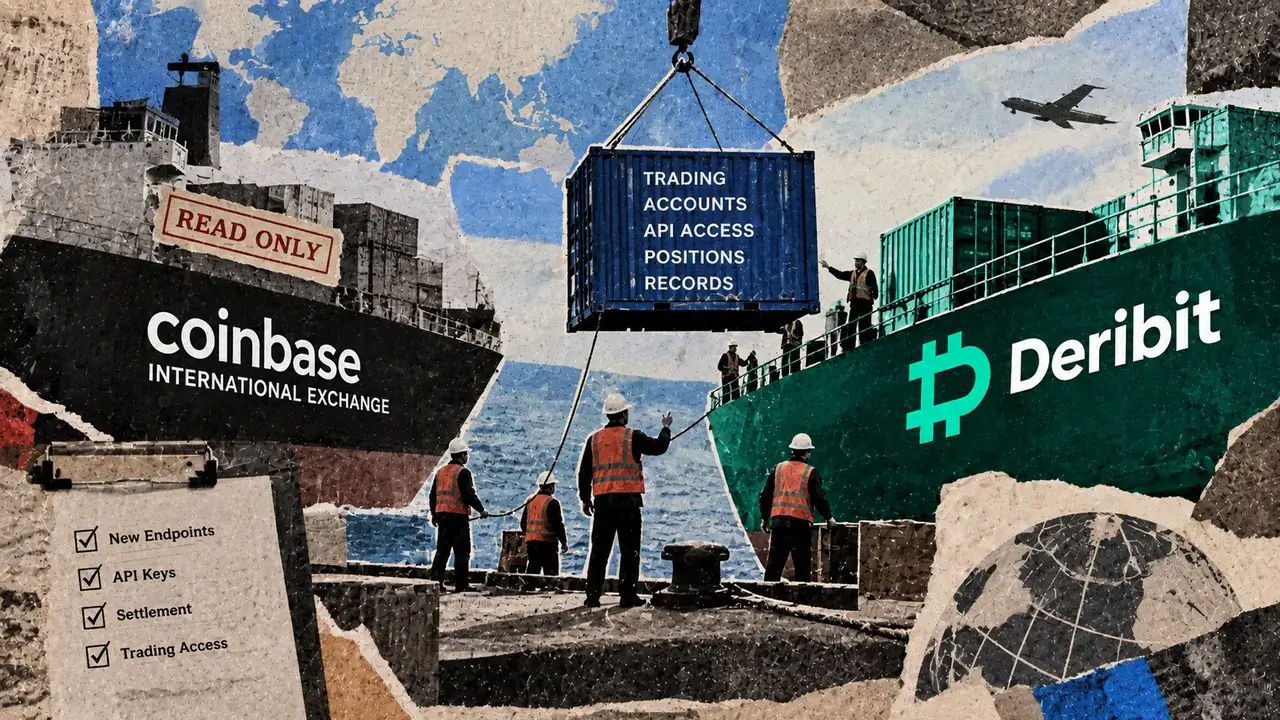
Coinbase completes Deribit switch, ending International Exchange trading
Coinbase completed the migration of Coinbase International Exchange to Deribit on Oct. 1, ending trading on its former internation...