Cryptopia Hack: Liquidators Distribute $225 Million in Crypto to Victims
The now-defunct New Zealand-based cryptocurrency exchange has begun distributing funds to account holders through its liquidator, Grant Thornton. This milestone marks significant progress in one of the cryptocurrency ind...
Archive context
Older archive item. Useful for background and entity history, but not a fresh market-moving signal.

The now-defunct New Zealand-based cryptocurrency exchange has begun distributing funds to account holders through its liquidator, Grant Thornton. This milestone marks significant progress in one of the cryptocurrency industry’s longest-running liquidation cases.
Initial Distribution of FundsGrant Thornton announced on December 20, 2024, that it has distributed 400 million New Zealand dollars (approximately $225 million) in cryptocurrency to more than 10,000 verified account holders. These payouts include Bitcoin (BTC) and Dogecoin (DOGE) holdings. This marks the first phase of a broader distribution plan aimed at compensating all eligible users.
Source: X
“This complex process involved rebuilding the hacked exchange and reconciling millions of transactions from nearly 960,000 users,” stated Grant Thornton. The liquidator has been working on this arduous task since the launch of the Cryptopia claims portal in 2020, following a New Zealand court ruling that prioritized returning funds to affected account holders.
The liquidator emphasized that additional distributions will follow, with a top-up plan allowing users to recover up to 100% of their holdings using funds from unclaimed accounts. However, unregistered account holders must act quickly, as the firm will enforce cut-off dates for future claims.
Cryptopia’s Troubled HistoryFounded in 2014, Cryptopia once stood as New Zealand’s largest cryptocurrency exchange, serving over 1.4 million users at its peak in 2018. The platform offered trading services for a wide range of cryptocurrencies and was one of the early issuers of stablecoins in New Zealand, introducing the NZD-backed NZDT stablecoin in May 2017.
Cryptopia’s founders, Rob Dawson and Adam Clark, photographed in 2017. Source: Stuff
In January 2019, the platform suffered a catastrophic hack that resulted in the theft of $16 million in crypto assets. Investigations into the hack revealed vulnerabilities in the exchange’s wallet system, which allowed attackers to access and drain user funds. Despite initial efforts to resume operations, Cryptopia’s financial troubles mounted, leading to its bankruptcy declaration later that year.
By May 2019, Grant Thornton reported that Cryptopia owed creditors an estimated $4.2 million. The liquidator later launched a claims portal in 2020 to facilitate the verification and compensation process. To date, over 10,000 accounts have been verified, though an estimated 960,000 users remain eligible for compensation.
Future Plans and RecommendationsGrant Thornton continues to encourage unregistered users to finalize their claims through the portal to become eligible for future payouts. Additional distributions for newly verified account holders are expected in early 2025. The firm reiterated its commitment to ensuring a fair process for all stakeholders while adhering to court-approved protocols.
“Further distributions for newly verified users are planned for the New Year,” the liquidator added. It also hinted at the potential redistribution of unclaimed funds amongst registered users, possibly increasing the amount of compensation each verified claimant may be entitled to.
Cryptopia’s liquidation process portrays the difficulties of handling cryptocurrency recovery on a large scale, which includes reconciling millions of user transactions. The story serves as a reminder of the weaknesses in centralized platforms and the urgent need for creative protections to secure digital assets, while money is being progressively refunded to impacted individuals.
Why this matters
This security story adds another data point to the current market tape and is useful when read alongside nearby source coverage.
Original source
Read on Brave New CoinRelated market context

Bitget Confirms $387.5 Million Security Breach as Revised On-Chain Accounting Reveals Wider Losses
Bitget raises breach losses to $387.5 million after Zcash and TRON transfers found. Attackers spoofed backend transaction data to...

River Exchange sues Canadian Bitcoin miner for $6.7M over unpaid refunds
This lawsuit highlights ongoing cross-border tensions in the Bitcoin mining sector, potentially affecting future US-Canada busines...
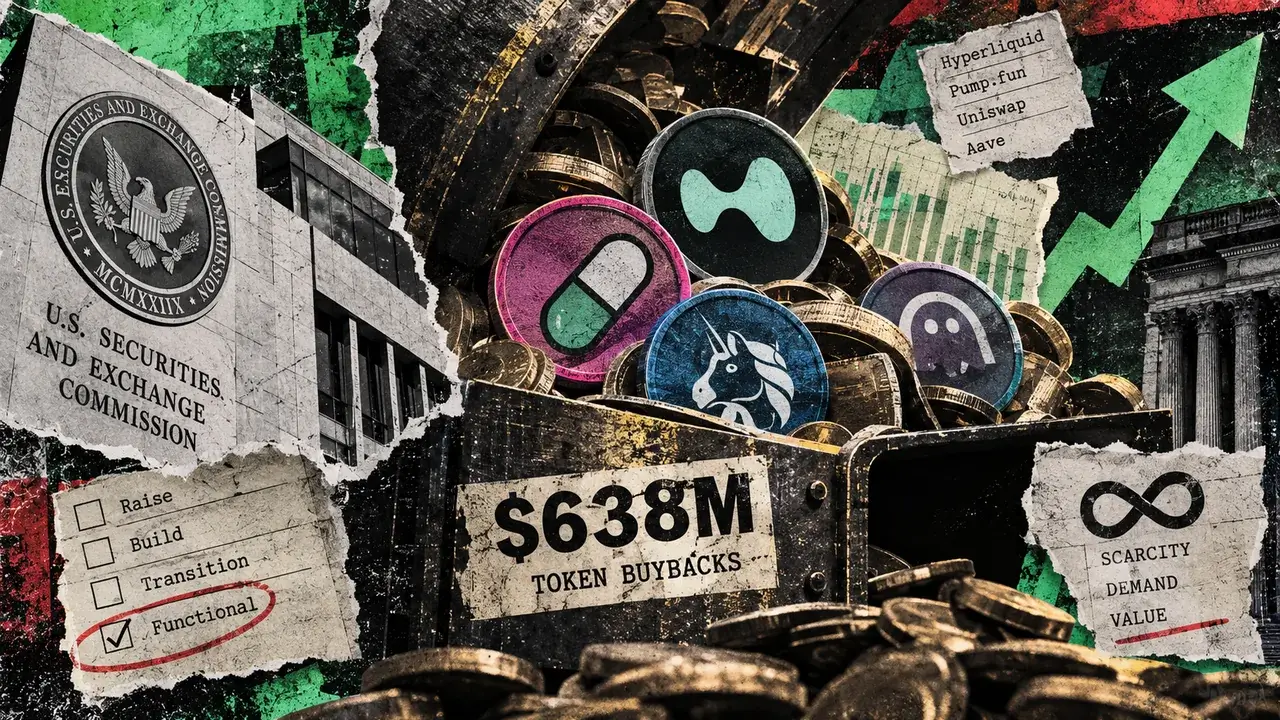
SEC clears regulatory hurdle as crypto token buybacks hit record $638 million
Crypto projects spent about $638 million with token buybacks through late August 2026, according to Allium Labs data. That is alre...
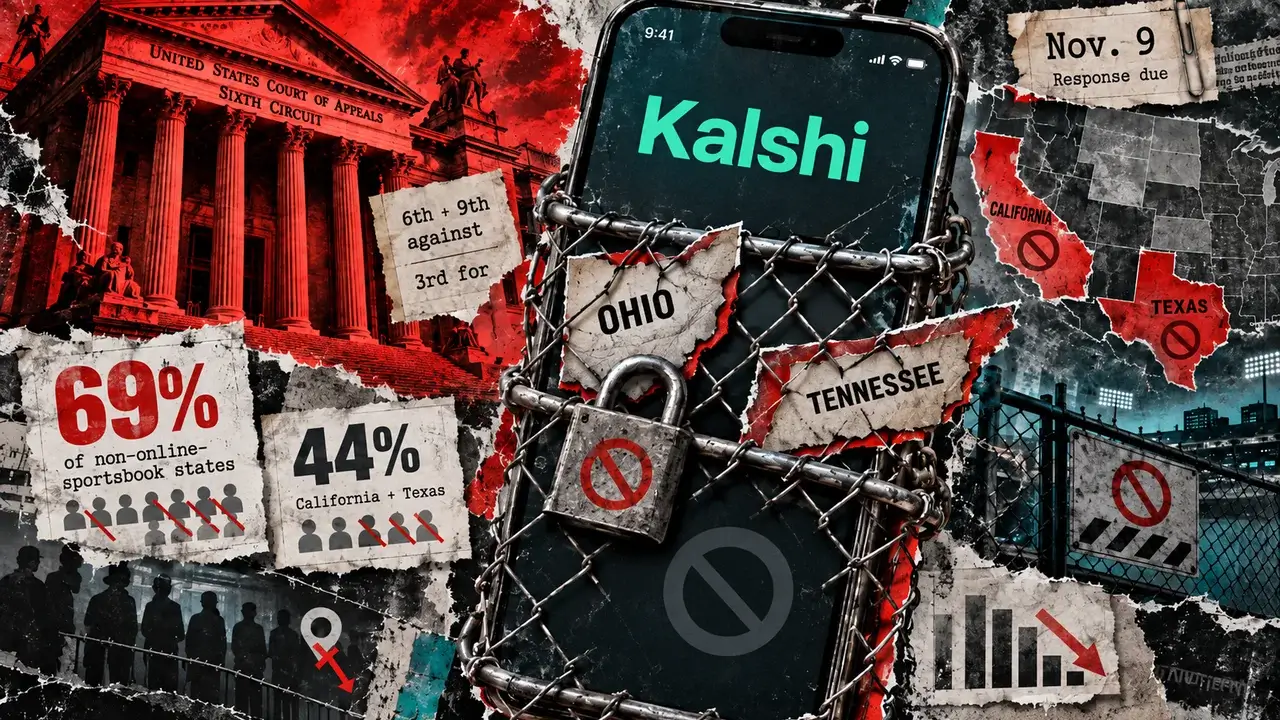
Kalshi must lock out state users after major court loss
The Sixth Circuit ruled Sept. 25 that Ohio and Tennessee can apply their gambling laws to Kalshi's sports contracts. The court rej...
Bitget Reopens Bitcoin Withdrawals, Starting Phased Restart After $388 Million Hack
Bitget reopened bitcoin withdrawals on Monday, the first step in bringing back a service the exchange has kept frozen since attack...
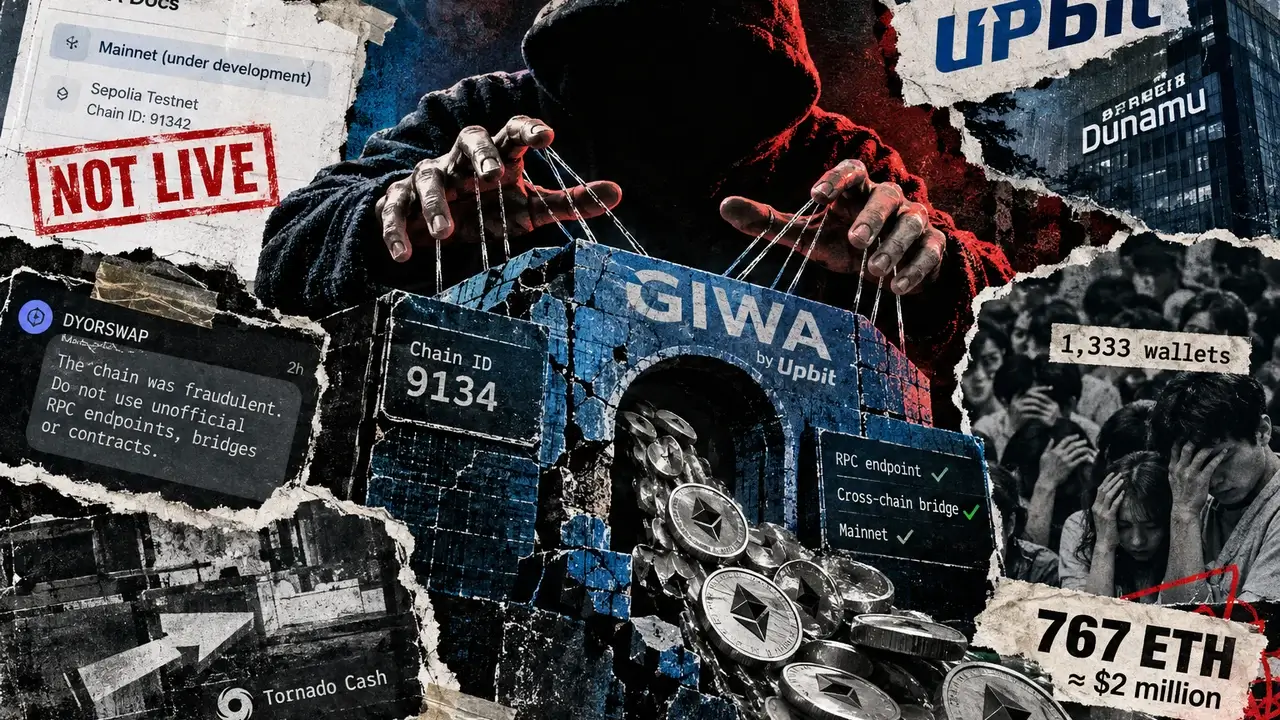
Crypto scammers built an entire fake blockchain to steal over $2 million
Scammers built a counterfeit version of Upbit-backed GIWA blockchain and lured 1,333 wallets into depositing 767 ETH, worth about...