$130 Million XRP Fumble: Analyst Reveals What Went Wrong
A crypto analyst has revealed how a well-timed XRP investment from the 2017 bull cycle turned into a missed $130 million opportunity, highlighting how execution failures can derail even the most promising strategies. The...
Archive context
Older archive item. Useful for background and entity history, but not a fresh market-moving signal.

A crypto analyst has revealed how a well-timed XRP investment from the 2017 bull cycle turned into a missed $130 million opportunity, highlighting how execution failures can derail even the most promising strategies. The admission, shared publicly on X, has reignited debate over discipline, timing, and emotional control in long-term crypto investing.
XRP’s Perfect Entry, Failed ExitThe investment began with a disciplined entry. In early 2017, two participants collectively invested $1,200 into XRP at approximately $0.007, accumulating 171,428 tokens. From a market timing perspective, the entry was near optimal. XRP later surged during the cycle, briefly trading close to its peak and lifting the position’s value to roughly $770,000.
At this stage, the trade had already achieved what most investors aim for: asymmetric upside realized within a single market cycle. However, the position was never exited. Despite clear signs of market euphoria and a dramatic expansion in price, the gains remained unrealized. The analyst later acknowledged that hesitation and emotional attachment prevented decisive action, effectively transforming a winning trade into a missed opportunity.
This hesitation exposed a structural weakness in the strategy: there was no enforced exit discipline. While the entry was carefully planned, the decision to sell depended on the moments when emotional pressures are strongest and risk perception is most skewed. The scenario highlights a recurring issue in crypto markets, where many investors focus heavily on asset selection and timing entries, yet underestimate how psychologically demanding exits can be during periods of rapid price growth.
The Missed Rotation And Compounding Effect Of InactionThe second failure compounded the first. The analyst explained that selling XRP near its peak would have freed capital to redeploy into Bitcoin while BTC traded around $1,000. That move could have converted the XRP proceeds into roughly 771 Bitcoin, effectively positioning the portfolio to benefit from the next major phase of the market cycle.
Holding those Bitcoin through later highs—approaching 170,000 CAD—would have resulted in total proceeds exceeding $130 million. The strategy was simple and systematic: take profits from an outperforming asset and rotate into another with asymmetric upside potential. It required no leverage, no complex instruments, and no precise market timing beyond a broad understanding of overall market cycles.
However, hesitation, second-guessing, and attachment to the original position prevented decisive action. By delaying the rotation, the investor forfeited the compounding advantage, leaving the portfolio largely static while the broader market continued to advance.
The analyst’s reflection highlights how the crypto market consistently rewards preparation and disciplined execution but punishes hesitation. This experience serves as a stark reminder that the ability to act decisively at critical moments is often the true determinant of long-term success in crypto investing.
Why this matters
This altcoin story adds another data point to the current market tape and is useful when read alongside nearby source coverage.
Original source
Read on NewsBTCRelated market context
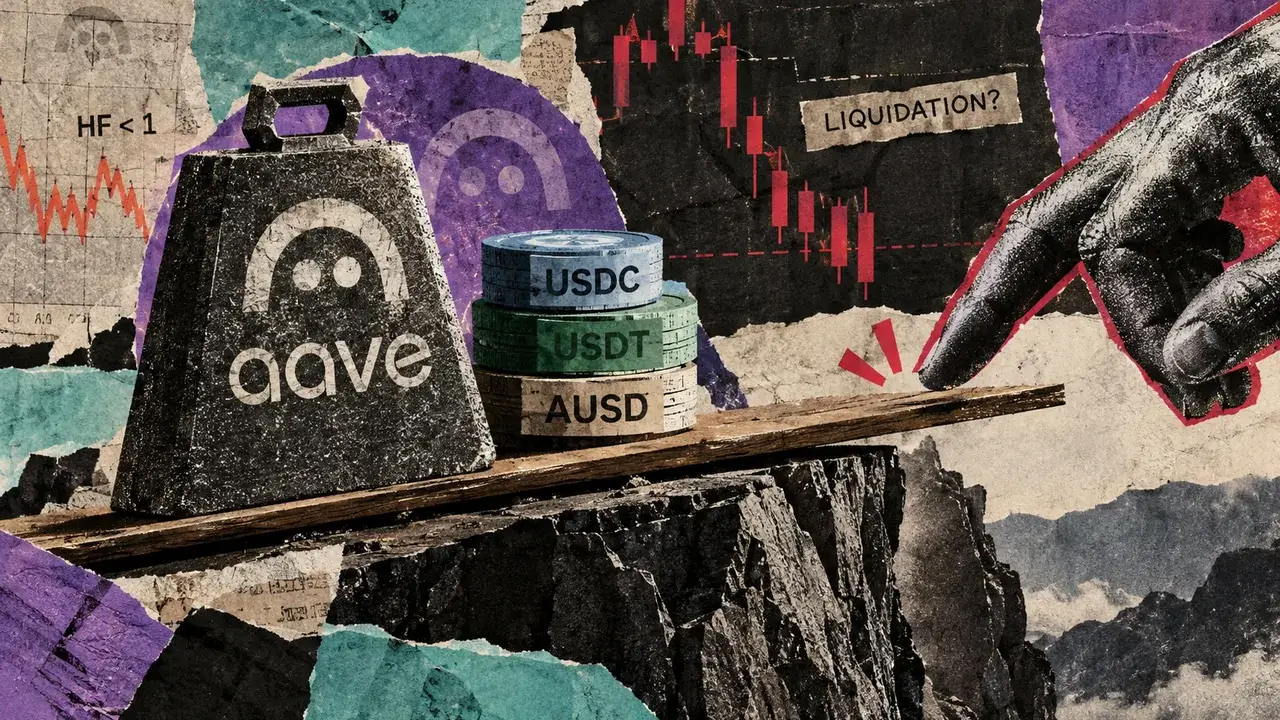
Some Aave loans sit near liquidation with collateral that can take hours to cash out
Some Aave loans backed by yield-bearing collateral had narrow liquidation buffers in LlamaRisk’s Oct. 9 snapshots. Every top PT-AU...
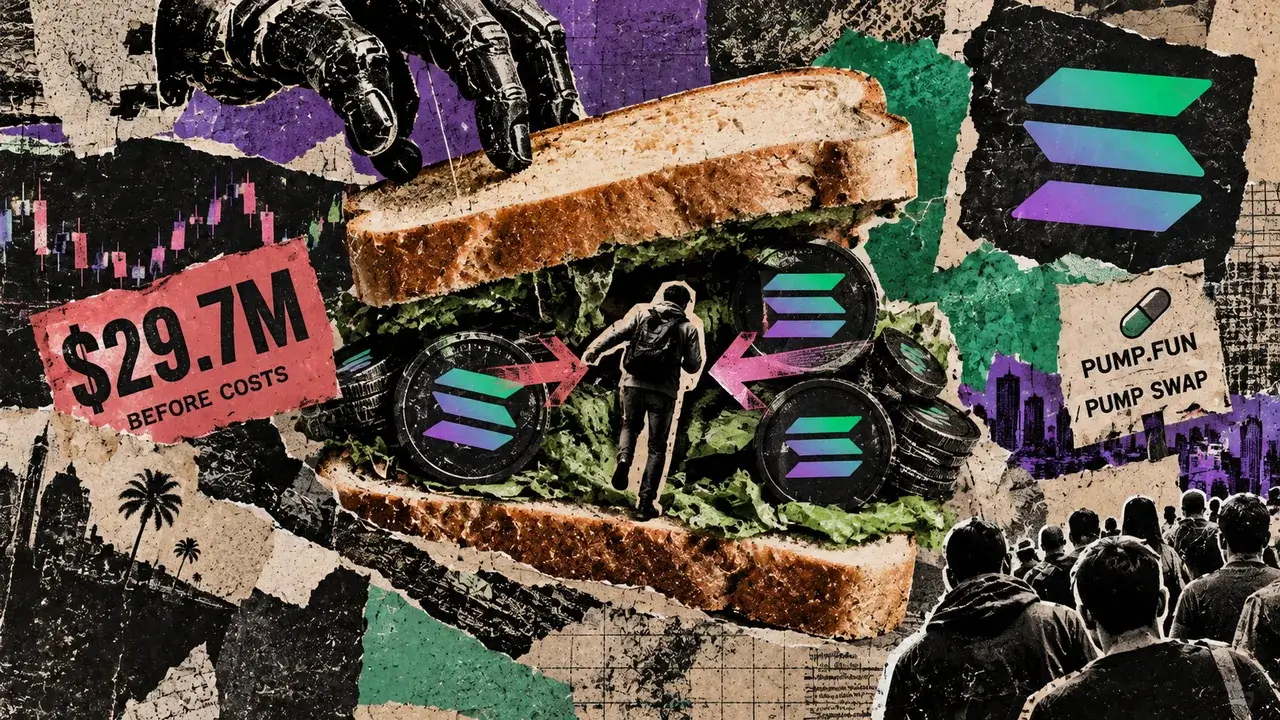
Solana sandwich bots took $29.7 million before costs, mostly targeting Pump.fun
Sandwich bots extracted about $29.7 million before costs from Solana trades over an 11-month period, according to blockchain data...

Aave’s USDG rollover plan has a yield below most quoted borrowing rates
Aave’s proposed USDG rollover would let borrowers carry their stablecoin debt into a new fixed-yield USDG position, but the replac...
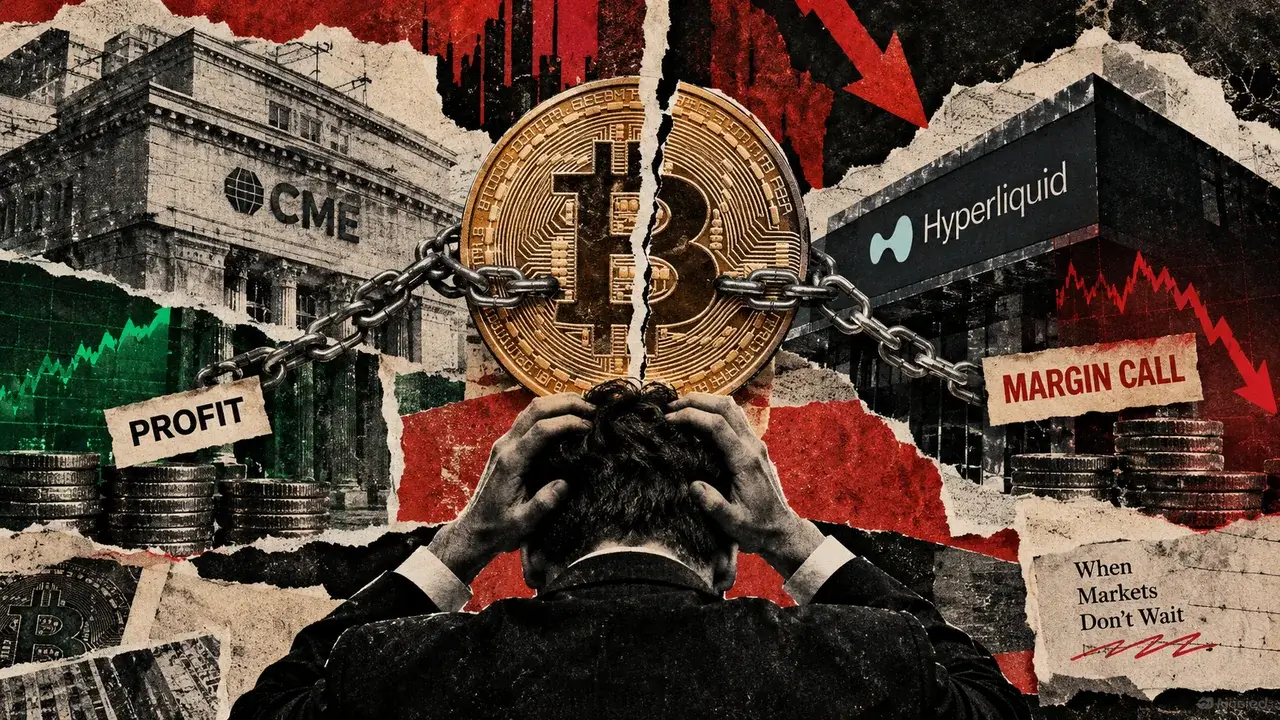
Bitcoin hedge funds face a liquidation trap when their collateral is split across markets
Here's a hypothetical situation: a hedge fund is making money, but one of its exchanges is about to liquidate its position anyway....

FTX Bitcoin Bet Takes an Unexpected Turn as SWI Group Raises $900 Million
SWI Group has raised €800 million from institutional investors at a €6.1 billion valuation. The Singapore-incorporated, Amsterdam-...

FTX’s former Bitcoin mining bet gets new life as parent raises €800 million for AI
SWI Group has raised €800 million to expand AI infrastructure, advancing its plan to repurpose FTX-backed Bitcoin miner Genesis Di...