Cardano Activity Recovers After Yoroi Wallet Sync Fix
Cardano activity is showing signs of recovery after EMURGO addressed user concerns tied to Yoroi wallet syncing and connection lag. The issue was a client-side wallet problem, not a protocol exploit, and there has been n...
Archive context
Older archive item. Useful for background and entity history, but not a fresh market-moving signal.

Cardano activity is showing signs of recovery after EMURGO addressed user concerns tied to Yoroi wallet syncing and connection lag. The issue was a client-side wallet problem, not a protocol exploit, and there has been no indication that user funds were lost or that the Cardano network itself was compromised.
TL;DR- EMURGO patched Yoroi wallet sync and integration concerns.
- Cardano active address growth has reportedly started to recover after the update.
- The issue was connected to wallet-side lag and connectivity, not a Cardano protocol failure.
- Users should avoid treating the incident as a hack or loss-of-funds event.
Wallet issues can create outsized anxiety because users experience them directly. If a balance is slow to load or a connection does not sync cleanly, many people naturally fear the worst. In this case, the validated handoff points to connection and synchronization concerns around Yoroi, with the underlying Cardano protocol not suffering a network-level disruption.
Why wallet reliability mattersFor most users, a blockchain is only as usable as the wallet sitting in front of it. Cardano can continue producing blocks, but if a wallet interface feels slow or unreliable, users may still lose confidence. That is why client-side fixes matter even when the underlying network remains secure.
Yoroi has long been one of the more familiar wallet names in the Cardano ecosystem. When integration or sync issues appear, they can affect perception across the broader ADA community. A patch that restores smoother access helps reduce uncertainty and gives users a clearer path back to normal activity.
Activity shows signs of returningAfter the technical update, Cardano active address growth reportedly showed signs of recovery. That does not necessarily mean a sudden surge in price demand or a major new adoption wave. It does suggest that some users who had paused or struggled with wallet interaction are returning to normal chain usage.
Active address data is always imperfect. One user can control multiple addresses, and activity can be influenced by wallet behaviour, staking, transfers, or dApp interactions. Still, a recovery after a wallet fix is a useful sign that the issue was not causing lasting network-wide damage.
Keep the security framing cleanThe most important editorial distinction is security. This was not a hack. It was not a smart contract exploit. It was not a loss-of-funds event. Framing it correctly matters because crypto users are understandably sensitive to wallet headlines, and inaccurate language can create unnecessary fear.
For Cardano, the story is more about user experience and trust than crisis. The network appears to have continued operating, EMURGO addressed the wallet-side concerns, and activity is beginning to normalize. That is a useful recovery story, but it should be told without exaggerating the original issue.
For readers, the recovery is a reminder that ecosystem trust often depends on the small things working smoothly. Wallet reliability, clean communication, and fast technical fixes can matter just as much as larger roadmap announcements when users are deciding whether to stay active.
This report is based on information from Yoroi Wallet.
This article was written by the News Desk and edited by Samuel Rae.
Why this matters
Cardano is showing up inside the Security Incidents theme, so this story is worth tracking for follow-through rather than treating it as a one-off headline.
Original source
Read on NewsBTCRelated market context
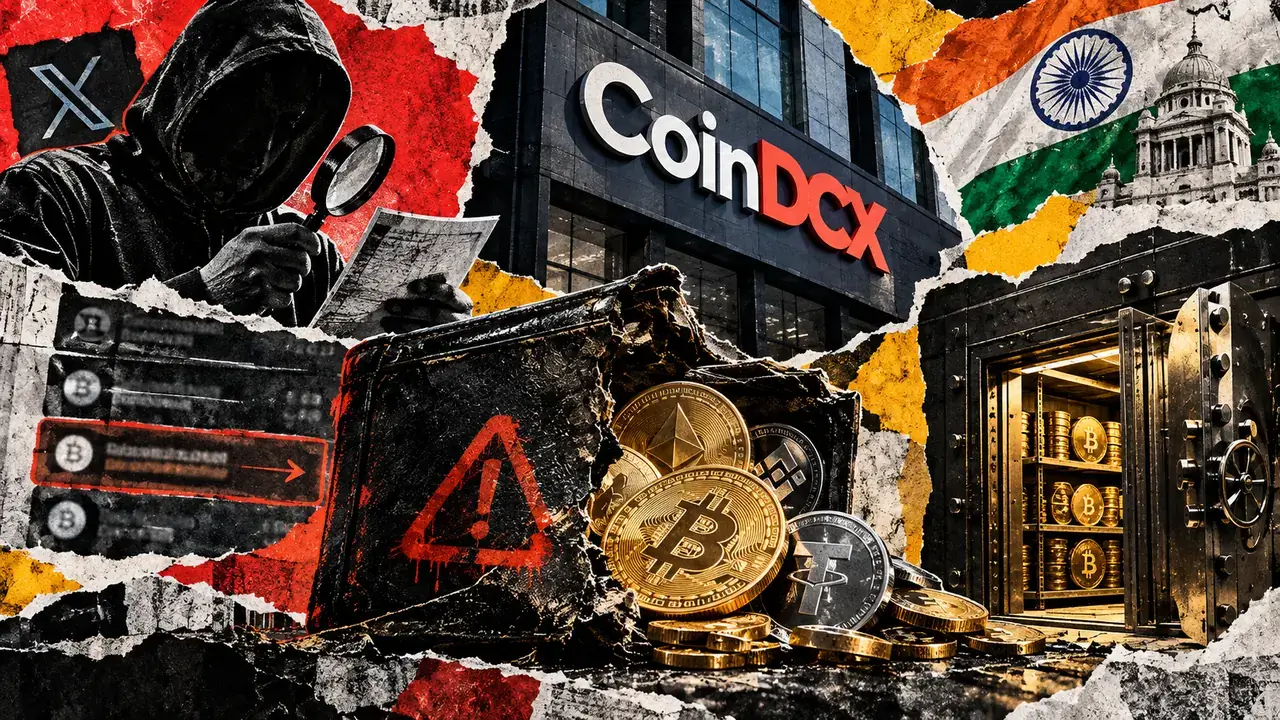
Old wallet addresses trap CoinDCX users, triggering potential losses
The exchange says a failed deposit-sweeping process caused losses it absorbed, while ZachXBT's $15.8 million allegation remains un...

HSBC rolls out its first HKD stablecoin RedCoin to retail users
PayMe users will be able to activate a stablecoin wallet in-app in the coming days for peer-to-peer and peer-to-merchant payments.

Phantom brings Kalshi prediction markets to US users as legal fights mount
The integration highlights the tension between federal and state regulations, potentially reshaping the legal landscape for predic...

Ethereum delays Glamsterdam test upgrade over security concerns
The delay highlights concerns over Ethereum's stability, impacting market confidence and casting doubt on its near-term technologi...

Phantom Starts a Staged US Launch of In-Wallet Prediction Markets
US users of Phantom can now trade prediction markets in the wallet, under a staged launch that began Friday and runs through Kalsh...
Bitcoin Core Rewrites Security Policy as LLMs Make Some Bugs Easy to Rediscover
Bitcoin Core has rewritten part of its security policy for an era of AI-assisted bug hunting. A policy update approved this week c...