Cardano Founder Introduces “Bill of Rights,” Setting Bold Vision for Blockchain Governance
This announcement, delivered during a recent X broadcast, marks a pivotal moment in Cardano’s evolution, as it seeks to enshrine user rights and expectations within a clearly defined governance structure. Hoskinson’s Pro...
Archive context
Older archive item. Useful for background and entity history, but not a fresh market-moving signal.

This announcement, delivered during a recent X broadcast, marks a pivotal moment in Cardano’s evolution, as it seeks to enshrine user rights and expectations within a clearly defined governance structure.
Hoskinson’s ProposalHoskinson’s proposal is the culmination of extensive community engagement, involving over 50 workshops and contributions from elected delegates in crafting a comprehensive “constitution” for Cardano.
The eleven tenets address fundamental aspects of a decentralized blockchain system, including:
- Freedom from Censorship: Hoskinson champions the principle of uncensored and unhindered blockchain transactions, ensuring quick and interference-free processing, akin to the right to free speech.
- Predictability in Transaction Costs: Recognizing the importance of stability for businesses, Hoskinson advocates for stable and reasonable transaction fees, providing long-term cost predictability and fostering trust.
- Censorship-Free Applications: Extending the principle of freedom to the application layer, Hoskinson envisions a blockchain ecosystem where applications remain free from censorship, fostering innovation and open access.
- Fair Compensation for Contributions: Hoskinson emphasizes the need to recognize and reward all contributions within the system, whether in governance or transaction processing, ensuring a sustainable and incentivized ecosystem that thrives on community involvement.
- Preservation of User Value and Data: Central to Hoskinson’s vision is the safeguarding of user assets and data, preventing unauthorized access or processing and empowering users with control over their own digital footprint.
- Efficient Resource Usage: Driven by a commitment to sustainability, Hoskinson prioritizes the continuous optimization of the blockchain’s processes to ensure efficiency and minimize environmental impact.
- Decentralized Governance: Hoskinson envisions a truly decentralized ecosystem where the community, not a centralized authority, governs the blockchain’s future, promoting democratic decision-making and ensuring broad participation.
- Privacy: Acknowledging the importance of data protection, Hoskinson champions the right to user privacy while also ensuring compliance with relevant laws and regulations.
- Compliance with Local Regulations: Hoskinson advocates for a system that provides users with the tools to remain compliant with laws, without compromising user privacy or allowing for government overreach.
- Transparency: Hoskinson emphasizes the importance of establishing clear, verifiable, and fair processes across the blockchain, fostering trust and accountability within the ecosystem.
- Predictability in the System: Ensuring a level playing field for all participants, Hoskinson envisions a blockchain ecosystem free from unfair advantages for any user group, promoting equity and fairness.
These tenets aim to cultivate a decentralized and equitable blockchain environment, not just within Cardano but potentially as a model for the wider blockchain space. Hoskinson emphasized that these principles are crucial for building trust and encouraging widespread adoption of the technology.
However, the announcement has been met with a mix of excitement and skepticism on X . Some users applaud the initiative as a significant step towards greater user empowerment and transparency, praising Hoskinson’s vision for a more inclusive and equitable future. Others expressed concerns about the feasibility of implementing such a comprehensive framework and the potential challenges in achieving consensus among diverse stakeholders.
Critics argue that the “Bill of Rights” may be overly idealistic, failing to account for the complexities of real-world blockchain governance. They question whether a decentralized system can effectively enforce such principles and express concerns about potential vulnerabilities to manipulation or exploitation.
Cardano is down 3.38% in the last 24 hours, in line with the rest of the market.
Source: Brave New Coin
Why this matters
This altcoin story adds another data point to the current market tape and is useful when read alongside nearby source coverage.
Original source
Read on Brave New CoinRelated market context
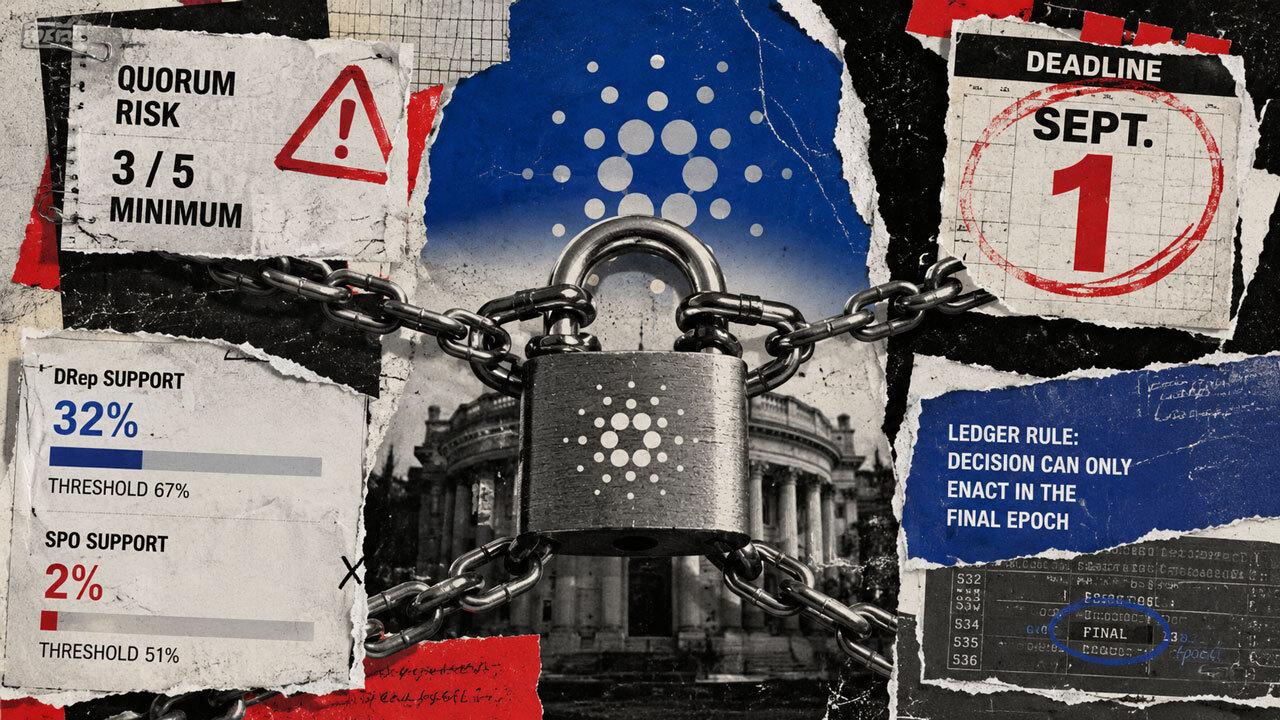
Cardano has two weeks to avoid a governance freeze as 4 committee seats expire
Cardano’s governance framework is approaching a Sept. 1 deadline that could effectively stall most major on-chain governance if a...
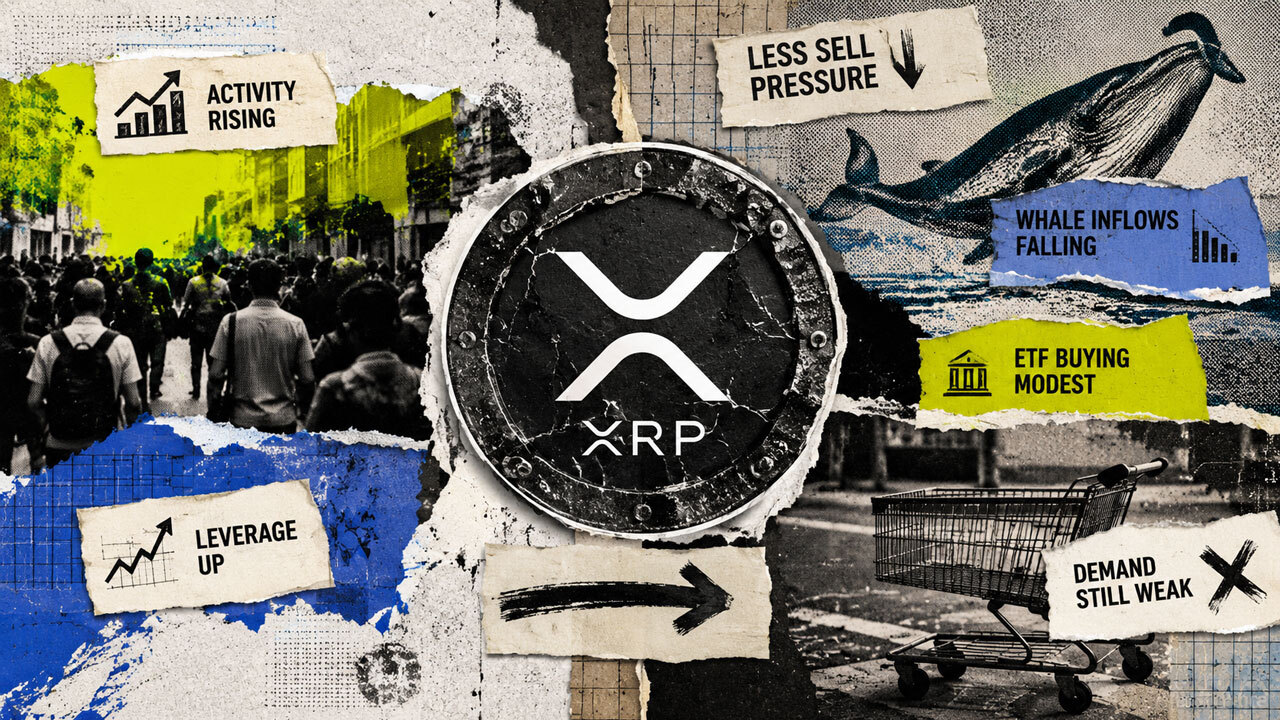
Record user activity and a collapse in whale selling should send XRP soaring, so why is it still pinned at $1?
XRP is back near $1 even as network activity rebounds, whale deposits to Binance collapse, and derivatives exposure builds near re...
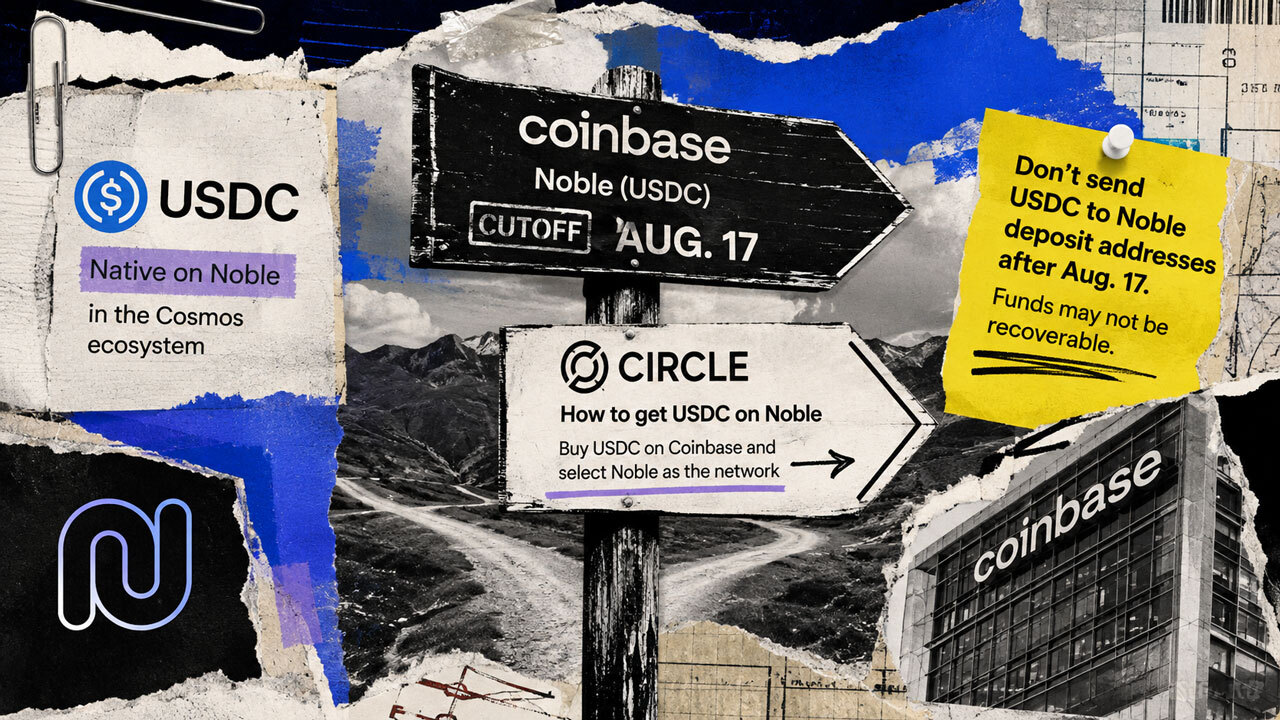
Circle still tells users to buy Noble USDC on Coinbase after cutoff date passes
Coinbase’s announced Aug. 17 cutoff for USDC deposits and withdrawals on Noble had passed, but Circle’s public Noble guide was sti...

Cardano targets Q4 2026 for Dijkstra upgrade rollout
Cardano's phased Dijkstra upgrade could enhance scalability and transaction efficiency, potentially strengthening its position in...

Tether plans AI applications for developing markets, surpasses 650M users
Tether's AI expansion into developing markets could redefine digital finance ecosystems, but regulatory and trust challenges may a...
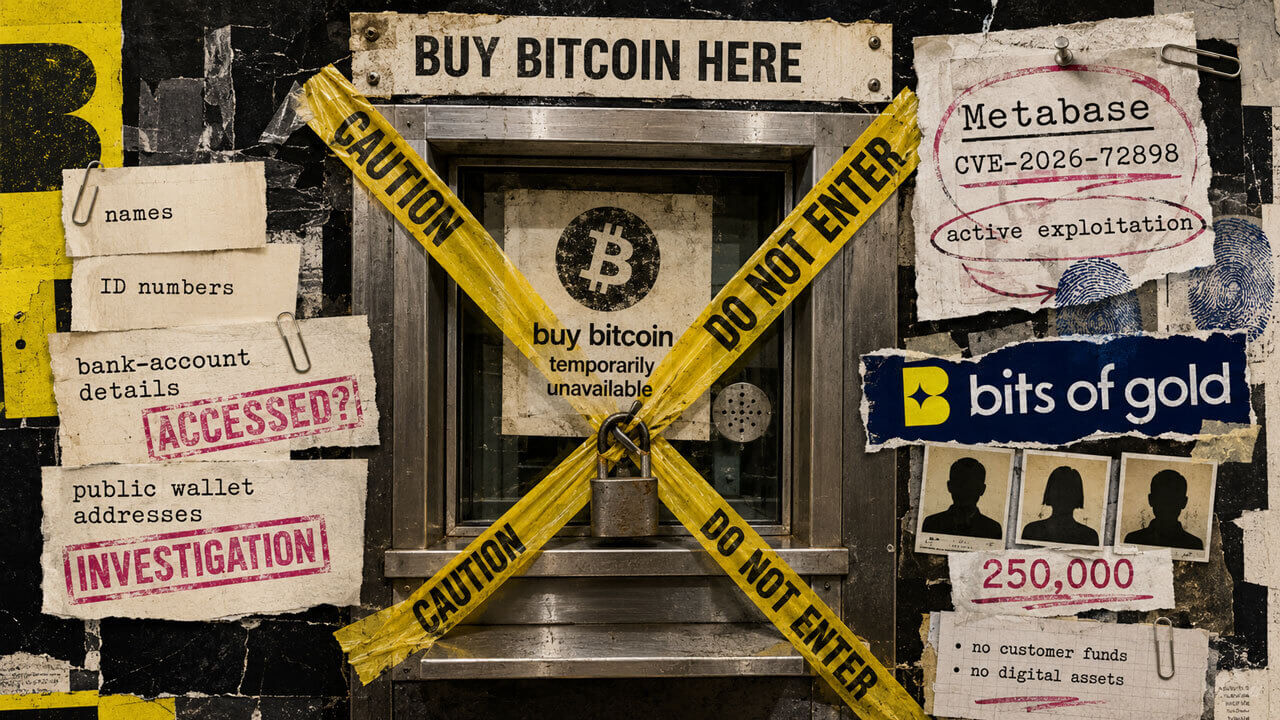
Bitcoin purchases halted after data breach puts 250,000 crypto users at risk
Israel’s largest regulated cryptocurrency broker, Bits of Gold, is investigating a data breach that potentially exposed the person...