Dogecoin’s Economic Implications: Inflationary vs. Deflationary Cryptocurrencies
Understanding Dogecoin’s Inflationary Model Dogecoin, created in 2013 as a joke, has evolved into a significant player in the cryptocurrency market. Unlike Bitcoin, which has a capped supply of 21 million coins, Dogecoin...
Archive context
Older archive item. Useful for background and entity history, but not a fresh market-moving signal.

Dogecoin, created in 2013 as a joke, has evolved into a significant player in the cryptocurrency market. Unlike Bitcoin, which has a capped supply of 21 million coins, Dogecoin employs an inflationary model. This means that there is no maximum limit to the number of Dogecoins that can be mined.
Key Features of Dogecoin’s Inflationary Model- Unlimited Supply: Unlike many cryptocurrencies, Dogecoin has no cap on its total supply. Initially, Dogecoin had a supply limit of 100 billion coins, but this cap was later removed.
- Steady Block Reward: Dogecoin miners receive a reward of 10,000 DOGE per block, with a new block being created approximately every minute. This translates to an annual increase in supply by about 5.256 billion coins.
- Constant Inflation Rate: The inflation rate decreases over time as the supply grows, approaching zero but never quite reaching it. This is because the number of new coins added each year remains constant while the total supply grows.
- Monetary Stability: The continuous introduction of new coins helps maintain a steady level of inflation, which can contribute to price stability. This contrasts with deflationary models, where the decreasing supply can lead to increased volatility.
- Encouraging Spending: An inflationary model encourages spending rather than hoarding. Users are less likely to hold onto their Dogecoins in anticipation of value appreciation, fostering a more dynamic economy.
- Accessibility: With a high supply and relatively low price, Dogecoin remains accessible to a broad audience, promoting widespread use and acceptance.
In contrast to Dogecoin’s inflationary model, many other cryptocurrencies employ a deflationary model, characterized by a capped supply and decreasing issuance of new coins over time.
Bitcoin: The Archetypal Deflationary CryptocurrencyBitcoin, often referred to as digital gold, is the most prominent example of a deflationary cryptocurrency.
- Capped Supply: Bitcoin has a maximum supply of 21 million coins. This scarcity is a core feature that drives its value.
- Halving Events: Approximately every four years, the reward for mining a block is halved. This halving reduces the rate at which new bitcoins are introduced into the market, further enhancing scarcity.
- Store of Value: Bitcoin’s deflationary model positions it as a store of value. Investors are inclined to hold onto their bitcoins, expecting long-term value appreciation due to the limited supply.
Ethereum, the second-largest cryptocurrency by market capitalization, is undergoing significant changes that may shift it towards a more deflationary model.
- EIP-1559: This upgrade, implemented in August 2021, introduced a mechanism to burn a portion of the transaction fees, reducing the effective supply of Ether (ETH). This burning mechanism can lead to periods where the supply of ETH decreases, especially during high network activity.
- Ethereum 2.0: The transition to Ethereum 2.0 and the proof-of-stake (PoS) consensus mechanism will further impact the issuance rate of new ETH. The combination of reduced issuance and increased burning can lead to a deflationary environment.
- Value Appreciation: The scarcity of deflationary cryptocurrencies can drive significant value appreciation over time. This makes them attractive to investors seeking long-term gains.
- Hoarding Behavior: The expectation of value appreciation encourages hoarding, which can limit liquidity and slow down economic activity within the cryptocurrency’s ecosystem.
- Volatility: Deflationary cryptocurrencies can be more volatile due to their limited supply and the speculative behavior of investors.
- Price Stability: Inflationary models like Dogecoin’s can contribute to more stable prices, as the continuous introduction of new coins prevents extreme scarcity.
- Encouraged Spending: Users are more likely to spend their coins, fostering a more active economy and increasing the cryptocurrency’s utility in everyday transactions.
- Wider Distribution: The high supply and lower price point make inflationary cryptocurrencies more accessible to a larger audience, promoting broader adoption.
- Long-Term Value: The scarcity inherent in deflationary models can drive long-term value appreciation, making these cryptocurrencies attractive as investment vehicles.
- Store of Value: Deflationary cryptocurrencies like Bitcoin are seen as digital stores of value, akin to gold, providing a hedge against inflation in traditional currencies.
- Network Security: The halving events in deflationary models incentivize miners to secure the network despite decreasing rewards, ensuring long-term network integrity.
- Inflation Risk: Continuous inflation can erode the purchasing power of the currency over time, potentially leading to decreased value.
- Perception Issues: Some investors may view inflationary cryptocurrencies as less attractive due to the lack of scarcity, impacting their market perception and adoption.
- Reduced Liquidity: The tendency to hoard deflationary cryptocurrencies can lead to reduced liquidity, impacting their usability in everyday transactions.
- Increased Volatility: The limited supply and speculative behavior can lead to significant price volatility, affecting market stability.
The economic implications of inflationary and deflationary cryptocurrencies offer valuable insights into their potential roles in the future financial landscape. Dogecoin’s inflationary model promotes spending and accessibility, contributing to a dynamic and inclusive economy. In contrast, deflationary models like Bitcoin’s drive value appreciation and serve as digital stores of value, catering to investors seeking long-term gains.
As the cryptocurrency market continues to evolve, a diverse range of economic models will likely coexist, each serving different purposes and catering to varying user preferences. Understanding the nuances of these models is crucial for investors, developers, and users as they navigate the rapidly changing world of digital currencies.
In the end, the choice between inflationary and deflationary cryptocurrencies will depend on individual goals, risk tolerance, and the broader economic context. Both models have their unique advantages and challenges, and their coexistence enriches the cryptocurrency ecosystem, offering a spectrum of options to meet the diverse needs of the global economy.
The Role of Dogecoin in the Broader Cryptocurrency EcosystemDogecoin’s unique position in the cryptocurrency landscape provides it with a distinctive role that complements the broader ecosystem of digital assets.
Community and CultureOne of Dogecoin’s most significant strengths lies in its vibrant and enthusiastic community. Originally created as a meme, Dogecoin quickly garnered a following due to its lighthearted and inclusive nature. This community-driven approach has several key implications:
- Brand Loyalty: The strong sense of community fosters brand loyalty and widespread advocacy. Dogecoin’s supporters often engage in promotional activities, raising awareness and encouraging adoption.
- Charity and Fundraising: The Dogecoin community has a history of rallying behind charitable causes. Notable examples include funding the Jamaican bobsled team for the 2014 Winter Olympics and sponsoring various charitable initiatives. This philanthropic culture enhances Dogecoin’s public image and demonstrates the positive potential of cryptocurrency.
- Memetic Value: Dogecoin’s origins as a meme give it a unique cultural value. This memetic aspect helps maintain public interest and visibility, distinguishing Dogecoin from more traditional, serious cryptocurrencies.
The economic implications of inflationary and deflationary cryptocurrencies offer valuable insights into their potential roles in the future financial landscape. Dogecoin’s inflationary model promotes spending and accessibility, contributing to a dynamic and inclusive economy. In contrast, deflationary models like Bitcoin’s drive value appreciation and serve as digital stores of value, catering to investors seeking long-term gains.
As the cryptocurrency market continues to evolve, a diverse range of economic models will likely coexist, each serving different purposes and catering to varying user preferences. Understanding the nuances of these models is crucial for investors, developers, and users as they navigate the rapidly changing world of digital currencies.
In the end, the choice between inflationary and deflationary cryptocurrencies will depend on individual goals, risk tolerance, and the broader economic context. Both models have their own unique advantages and challenges, and their coexistence enriches the cryptocurrency ecosystem. It offers a spectrum of options to meet the diverse needs of the global economy.
Why this matters
This altcoin story adds another data point to the current market tape and is useful when read alongside nearby source coverage.
Original source
Read on Brave New CoinRelated market context
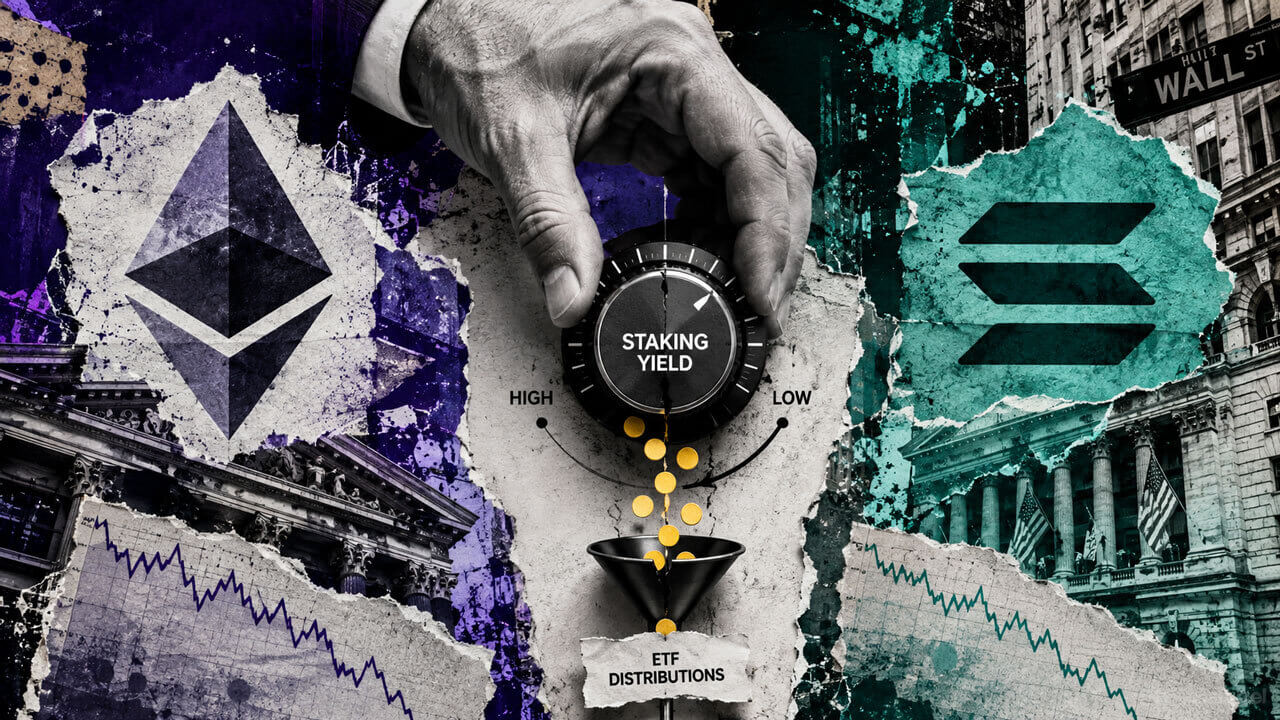
Wall Street finally turned staking into a dividend, now Ethereum and Solana want to shrink it
Grayscale's July 17 SEC filings said its Ethereum and Solana staking ETFs would convert staking rewards to cash and distribute the...

Slowing ETF demand and corporate treasury selling are breaking the math behind Wall Street’s $16 trillion Bitcoin target
Bitcoin market cap must rise to ARK Invest's roughly $16 trillion 2030 base case, requiring about 78.6% annual growth from the cur...
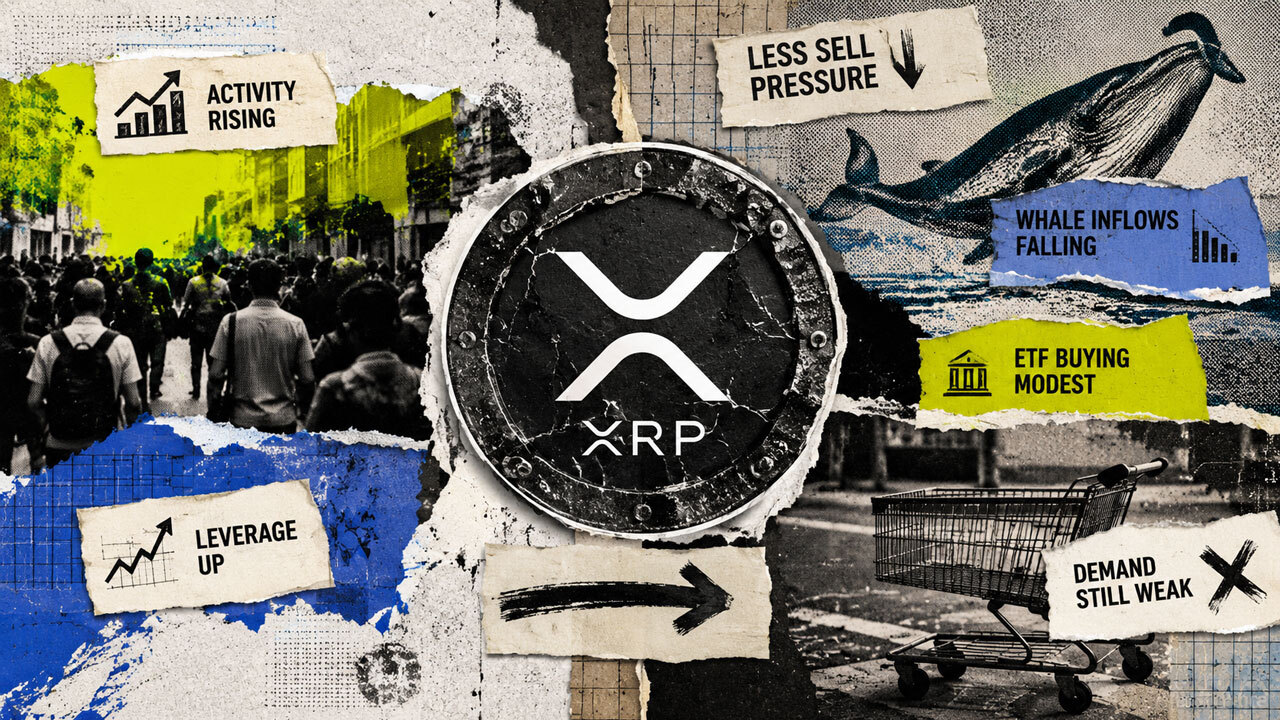
Record user activity and a collapse in whale selling should send XRP soaring, so why is it still pinned at $1?
XRP is back near $1 even as network activity rebounds, whale deposits to Binance collapse, and derivatives exposure builds near re...

Grayscale: ETH, SOL Supply Growth Could Fall Below Gold by 2031
Grayscale projects Ethereum’s annual supply inflation could shrink to roughly 0.4% and Solana’s to 1.1% by 2031 if two pending net...

Trump-linked World Liberty Financial wins OCC bank approval as $112 million DeFi position sits near liquidation
The Office of the Comptroller of the Currency (OCC) gave World Liberty Financial, a DeFi venture associated with President Donald...
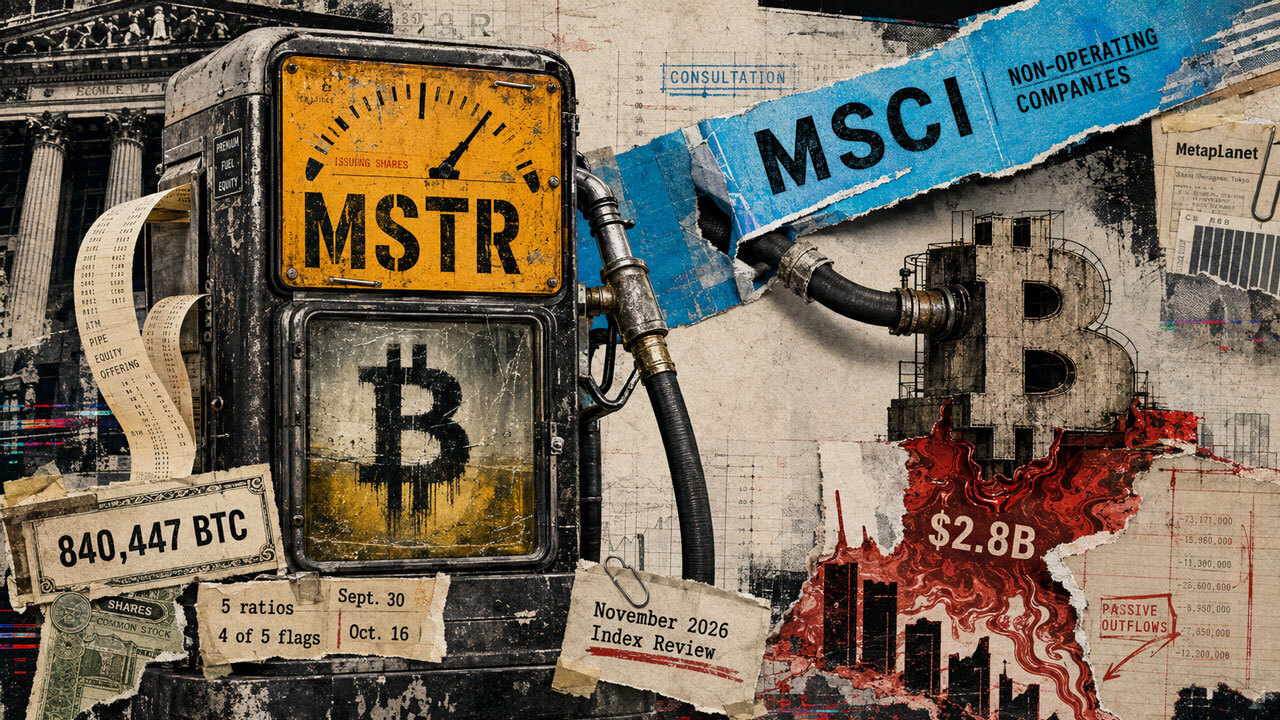
Strategy tells MSCI ‘Bitcoin doesn’t need you’ as $2.8 billion index risk hangs over MSTR
Strategy faces a renewed threat of removal from major MSCI equity indexes under a broader screening proposal that could trigger an...