Ethereum 2.0, Artemis, Cardano, Solana, Polkadot, and Avalanche: Top 5 Smart Contract Platform Presales of 2024
In the world of crypto, 2024 marks an important year with many blockchain projects coming daily, and smart contract platforms are leading the charge in this race. These initiatives are revolutionizing how we think and in...
Archive context
Older archive item. Useful for background and entity history, but not a fresh market-moving signal.

In the world of crypto, 2024 marks an important year with many blockchain projects coming daily, and smart contract platforms are leading the charge in this race. These initiatives are revolutionizing how we think and interact with applications, finance, and even everyday transactions. More than their tech, they’re about the real-world impact that they aim to offer.
Among these top contenders, five crypto presale projects are gaining attention: Ethereum 2.0, Cardano, Artemis, Polkadot, and Avalanche. Each of these bring something unique to the table, pushing the boundaries of what’s possible within the blockchain ecosystem. But there’s a new coin in the market that’s shaking things up - Artemis Coin. This platform is taking a fresh approach to a decentralized marketplace. It’s not just another crypto project it’s aiming to change how we shop and trade online.
From faster, cheaper transactions to more secure and transparent systems, the potential is enormous. So get ready to unveil the dynamics of each of these projects, so you know what sets them apart and why they are vital to consider for your portfolio. So, whether you’re a seasoned investor or just curious about the world of blockchain, there’s something here that will pique your interest.
Artemis: Revolutionizing Decentralized E-CommerceWhile not traditionally categorized as a smart contract platform, Artemis deserves special attention for its innovative approach to decentralized marketplaces, leveraging smart contract technology across multiple blockchain networks.
Key Features:- Multi-blockchain support (Ethereum, Solana, BNB, TRON, Avalanche, Cronos)
- Comprehensive decentralized marketplace for goods and services
- Smart contract integration for automated transactions and dispute resolution
- User-friendly interface with wallet integration
- Decentralized storage using IPFS technology
Artemis aims to become the “eBay or Amazon of the crypto world,” creating a platform where users can buy and sell products, as well as offer and seek services, all using cryptocurrency.
Tokenomics of Artemis (ARTMS):Total Supply: 100,000,000,000 ARTMS
Contract Address: 0x97D1d74B35b2ef5f0251C3E49361a74e682221221
Token Allocation:- Presale: 15%
- Marketing: 25%
- Project Funds: 25%
- Rewards: 15%
- Liquidity: 10%
- Staking: 10%
This balanced distribution strategy supports long-term growth, community engagement, and continuous platform development. The significant allocation to marketing and project funds demonstrates Artemis’s commitment to expanding its ecosystem and enhancing platform capabilities.
Ethereum 2.0: The Pioneer’s EvolutionEthereum 2.0, also known as Eth2 or Serenity, represents a significant upgrade to the Ethereum network, addressing scalability, security, and sustainability concerns.
Key Features:- Transition to Proof-of-Stake (PoS) consensus mechanism
- Implementation of shard chains for improved scalability
- Enhanced security through a larger number of validators
- Reduced energy consumption compared to Proof-of-Work
Ethereum 2.0 aims to maintain its position as the leading smart contract platform while overcoming limitations that have hindered its growth. The upgrade promises faster transaction speeds, lower fees, and increased capacity for dApps.
Cardano: The Academic ApproachCardano, developed by IOHK, takes a research-driven approach to blockchain development, emphasizing peer-reviewed academic research in its design.
Key Features:
- Ouroboros Proof-of-Stake consensus protocol
- Scalability through layered architecture
- Focus on sustainability and interoperability
- Smart contract capability with formal verification
Cardano’s methodical approach to development has garnered attention from investors looking for a platform with a strong theoretical foundation and potential for long-term growth.
Polkadot: Interoperability and CustomizationPolkadot aims to solve the challenge of blockchain interoperability, allowing different blockchain networks to communicate and share data seamlessly.
Key Features:
- Relay Chain for cross-chain interoperability
- Parachains for customized blockchain implementations
- Shared security model across the network
- Governance system for protocol upgrades
Polkadot’s unique architecture offers developers the flexibility to create custom blockchains while benefiting from the security and interoperability of the main network.
Avalanche: Scalable and Customizable ConsensusAvalanche provides a platform for launching highly scalable and customizable blockchain networks and decentralized applications.
Key Features:
- Unique consensus protocol combining classical and Nakamoto consensus
- Support for multiple virtual machines, including Ethereum Virtual Machine (EVM)
- High throughput and low latency
- Subnet functionality for creating application-specific blockchains
Avalanche’s innovative approach to consensus and its support for Ethereum-compatible applications have positioned it as a strong competitor in the smart contract platform space.
Comparative Analysis Market Position:- Ethereum 2.0: Established leader in smart contract platforms
- Cardano: Research-driven approach with growing adoption
- Polkadot: Focusing on interoperability and customization
- Avalanche: Emerging platform with innovative consensus mechanism
- Artemis: Newcomer with potential to disrupt e-commerce and service sectors
- Ethereum 2.0: Scalability and efficiency improvements
- Cardano: Academic rigor and formal verification
- Solana: High throughput and low costs
- Polkadot: Cross-chain interoperability
- Avalanche: Scalability and customization
- Artemis: Multi-blockchain integration for comprehensive marketplace functionality
- Ethereum 2.0: Leveraging existing ecosystem and developer base
- Cardano: Gradual rollout with emphasis on stability
- Solana: Attracting high-frequency trading and DeFi projects
- Polkadot: Building a network of interconnected blockchains
- Avalanche: Offering Ethereum compatibility and subnet functionality
- Artemis: Creating a user-centric platform for both consumers and businesses
Businesses that incorporate smart contracts are diverse and competitive in 2024. Each upcoming project offers unique solutions to blockchain scalability, interoperability, and functionality. On one hand, Ethereum 2.0, Cardano, Solana, Polkadot, and Avalanche represent the evolution of blockchain technology. On the other hand, Artemis, while not a traditional smart contract platform, stands out for its unique approach towards decentralized e-commerce. Its focus on the inclusion of multiple blockchains has the potential to bridge the gap between cryptocurrency and everyday commerce.
As the blockchain industry continues to mature over the years, these projects are likely to play crucial roles in shaping the future of decentralized technologies and their integration into mainstream use cases.
To learn more, check out:
Website: www.artemiscoin.co
Twitter: https://x.com/CoinArtemis
E-mail: [email protected]
Telegram : https://t.me/coinartemis
This is a sponsored article. Opinions expressed are solely those of the sponsor and readers should conduct their own due diligence before taking any action based on information presented in this article.
Why this matters
This altcoin story adds another data point to the current market tape and is useful when read alongside nearby source coverage.
Original source
Read on Brave New CoinRelated market context
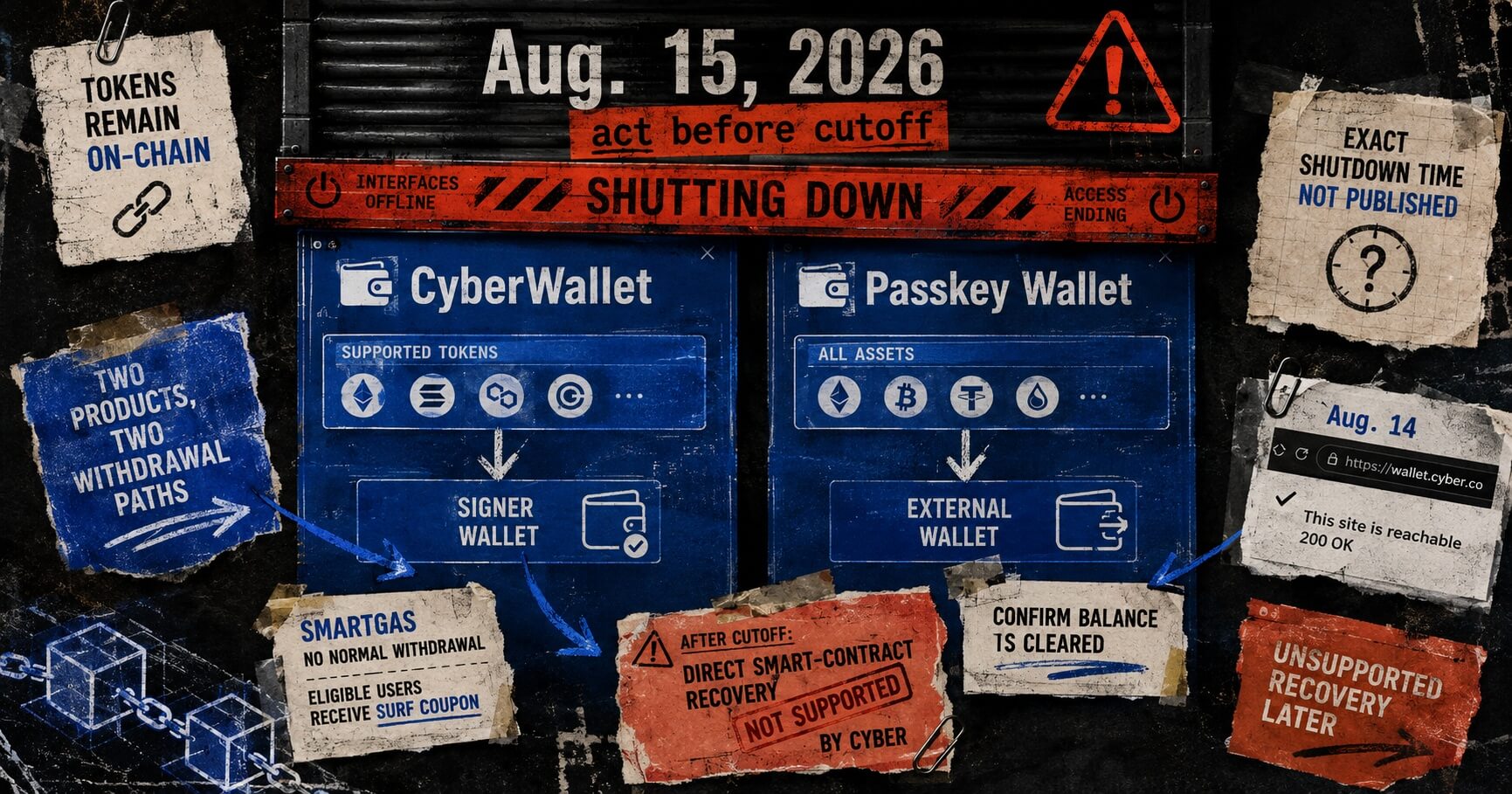
CyberWallet users have until Aug. 15 before crypto withdrawals become a smart contract recovery job
Crypto company Cyber is telling CyberWallet and Cyber Passkey Wallet users to move their assets ahead of an Aug. 15 shutdown that...
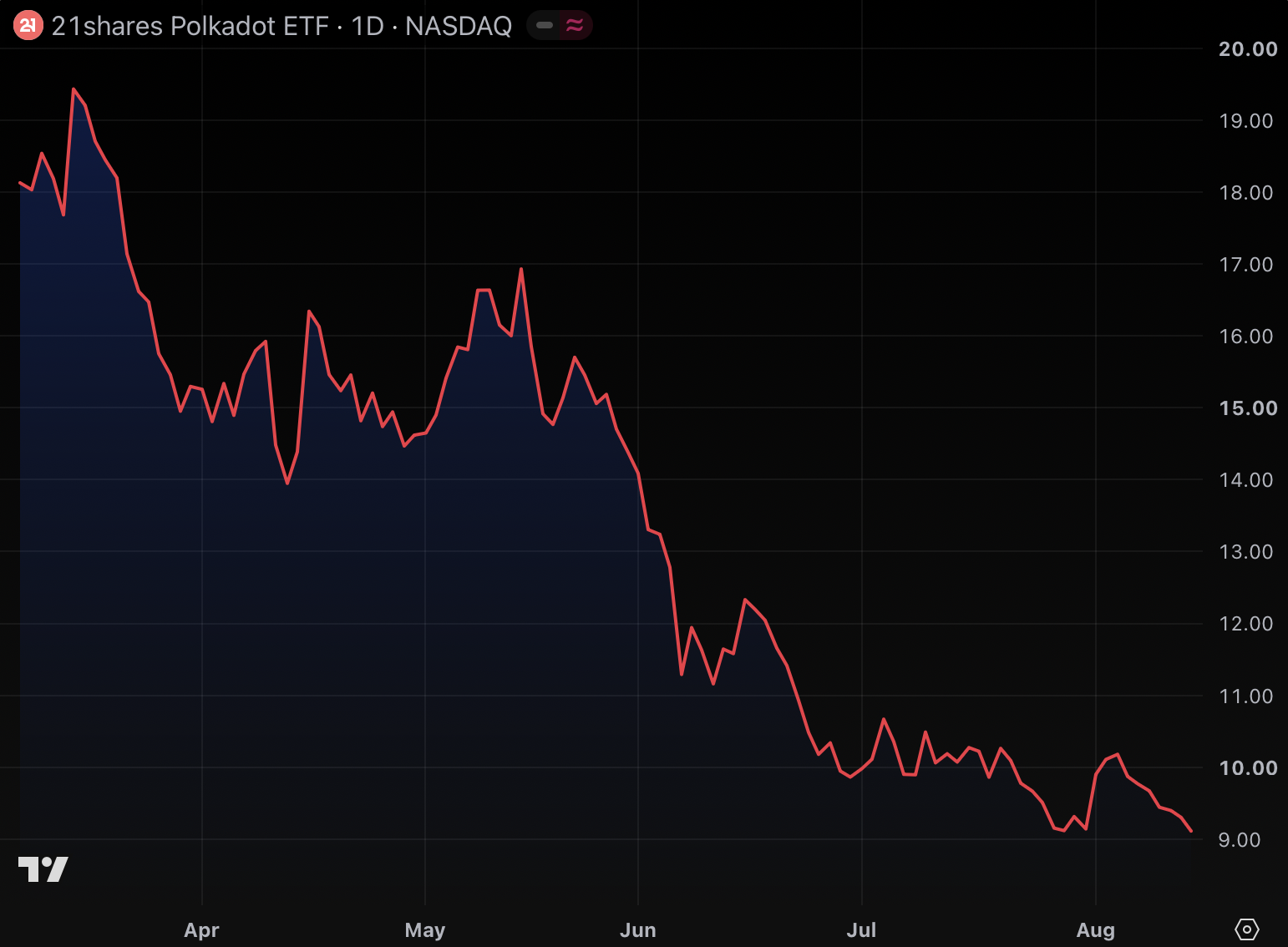
Polkadot ETF realized $4.52 of loss per $1 in staking rewards
On Friday, the 21Shares Polkadot ETF (TDOT) reported that it realized $4.52 of loss per share by selling Polkadot (DOT) tokens to...
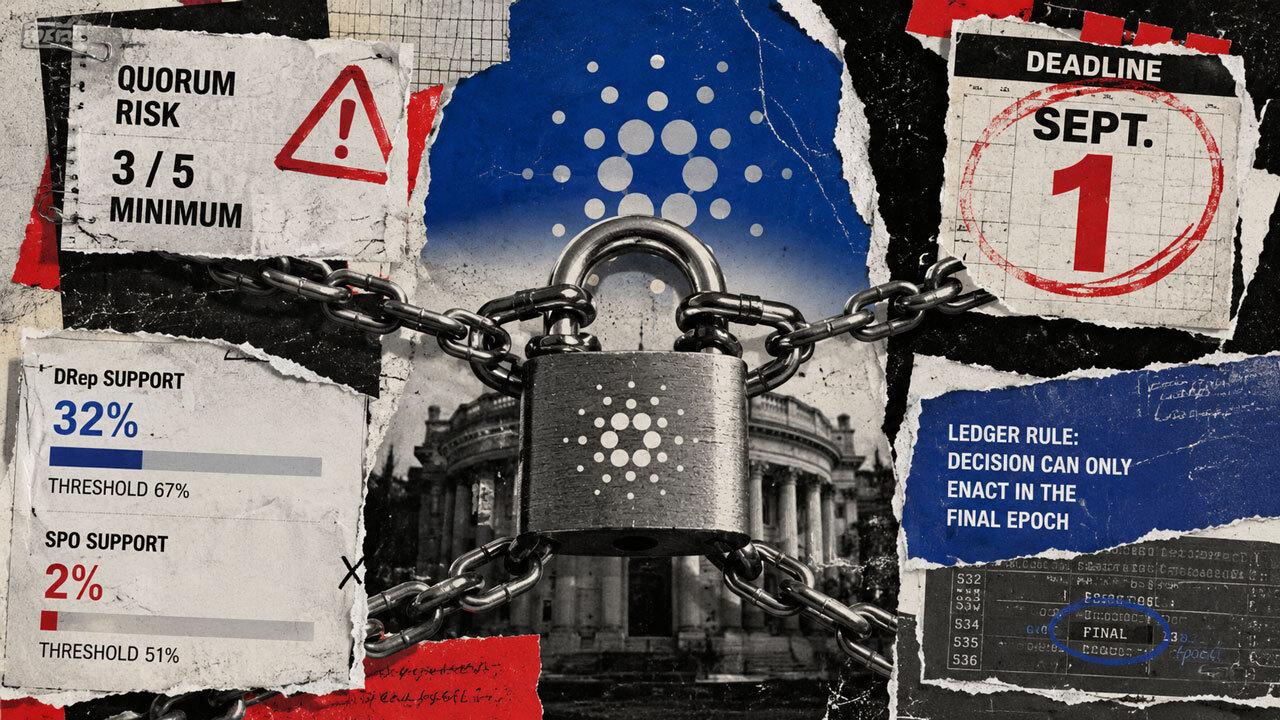
Cardano has two weeks to avoid a governance freeze as 4 committee seats expire
Cardano’s governance framework is approaching a Sept. 1 deadline that could effectively stall most major on-chain governance if a...
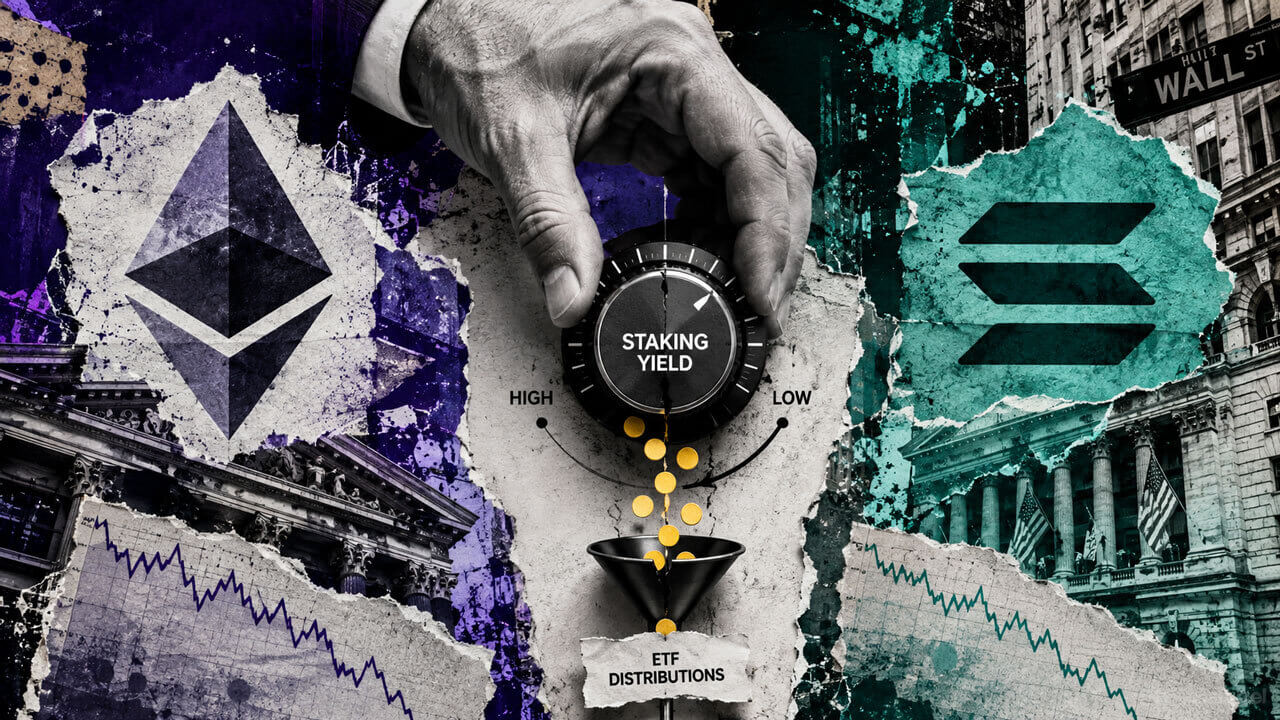
Wall Street finally turned staking into a dividend, now Ethereum and Solana want to shrink it
Grayscale's July 17 SEC filings said its Ethereum and Solana staking ETFs would convert staking rewards to cash and distribute the...

Ethereum (ETH) Price Prediction: ETH Volatility Compression Builds as Bulls Target $2,500 Recovery
Ethereum price has remained stuck in a tight trading range as volatility continues to fade, leaving traders waiting for the next m...
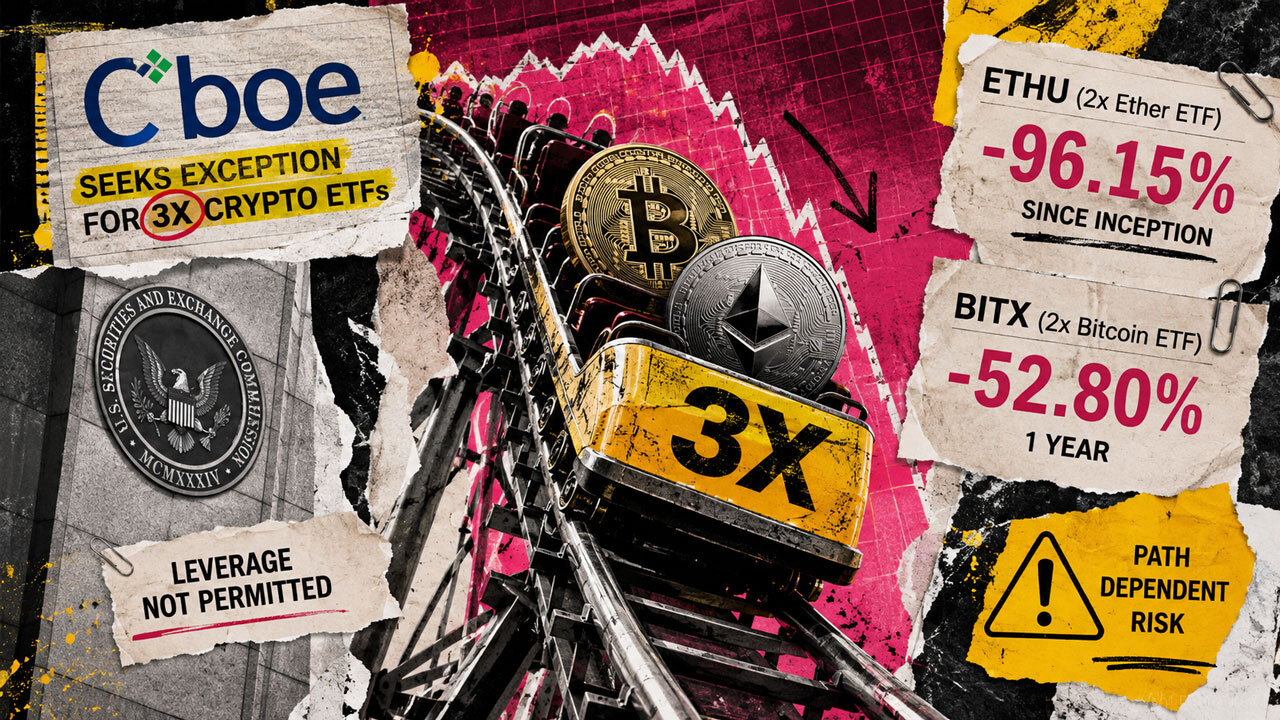
Cboe pushes for 3x Bitcoin and Ethereum ETFs after 2x crypto funds suffer losses of up to 96%
Cboe BZX is asking the Securities and Exchange Commission (SEC) for an exception to its own generic listing rules so it can list f...