Finance Industry Insider Asserts Banks Are Unlikely to Adopt XRP
His criticism highlights key concerns about XRP’s centralization and questions its suitability as a tool for modern banking. Centralization Concerns Soni’s primary critique of XRP revolves around its perceived lack of de...
Archive context
Older archive item. Useful for background and entity history, but not a fresh market-moving signal.
His criticism highlights key concerns about XRP’s centralization and questions its suitability as a tool for modern banking.
Centralization ConcernsSoni’s primary critique of XRP revolves around its perceived lack of decentralization. He points out that Ripple, the company behind XRP, controls approximately 50% of its total supply. According to Soni, this significant concentration of ownership exposes XRP to potential price manipulation, which he believes makes it an unattractive option for banks.
Source: Rajat Soni CFA via X
“XRP is not decentralized,” Soni stated, arguing that financial institutions prioritize control and stability, and such a centralized structure could pose risks to those seeking a reliable digital asset. He further claimed that Ripple’s ability to alter XRP’s code and potentially issue additional coins underscores its lack of decentralization.
Regulatory ChallengesSoni mentioned several concerns with regards to centralization and the regulatory problems that might inhibit the growth of XRP as well as its adoption. He noted the sudden price crash of XRP at the tail end of 2020 when the SEC sued Ripple, causing some uncertainty around whether XRP qualified as a security.
Source: Rajat Soni CFA via X
Soni further criticized Ripple for its periodic sales of XRP, arguing that such practices have denied it an all-time high since seven years ago. In his view, such actions do not build the trust of both investors and institutional users who are looking forward to utilizing XRP in the near future.
A Preference for BitcoinWhile voicing his misgivings on XRP, Soni commended Bitcoin for being decentralized and resilient. Unlike XRP, Bitcoin runs on an open-source network where no player controls the majority of the supply. This decentralized framework gives Bitcoin a lesser chance of manipulation, hence more attractive to financial players, argued Soni.
Source: Rajat Soni CFA via X
He also highlighted Bitcoin’s growing role in regions with limited access to traditional banking systems. Its global acceptance and ability to thrive even if banned in certain countries underscore its utility and durability. Soni views Bitcoin as a true digital currency capable of shaping the future of finance, unlike XRP, which he sees as overly reliant on Ripple’s operations.
Ripple’s Push for XRP AdoptionDespite such criticism, Ripple has been committed to providing the cryptographic asset XRP for cross-border payments and financial innovation. Ripple CEO Brad Garlinghouse also supported his company’s efforts by calling for a diverse crypto reserve that would include XRP. He is of the opinion that embracing multiple cryptocurrencies can help make the financial ecosystem stronger and endorse American technological leadership.
Source: Rajat Soni CFA via X
Ripple’s partnerships with financial institutions are often cited by its supporters as evidence of XRP’s potential. However, skeptics argue that these collaborations have not yet translated into widespread adoption of XRP as a primary financial tool, with banks reportedly favoring other decentralized alternatives.
Good news for Ripple and XRP: According to crypto tsar David Sacks, XRP will soon be exempt from capital gains tax for U.S. crypto investors. Sacks also clarified that NFTs and meme coins should be considered collectibles rather than securities.
Community Reactions and Broader ImplicationsThe debate on the XRP viability has brought out diverse reactions among the crypto and financial communities. While some critics, such as Soni, mention the presence of structural or regulatory challenges, others point to its technological capability and how Ripple is pushing to increase its use cases.
Despite the criticism, Ripple’s XRP was trading at $3.18, up 3.27% in the last 24 hours. Source:XRP Liquid Index (XRPLX) via Brave New Coin
The future of finance remains hazy over whether the key players will be centrally controlled or decentralized cryptocurrencies. Soni, an old-timer in the industry, emphasizes that trust, transparency, and resilience are vital in any form of digital asset that banks may adopt, and hence Bitcoin stands at the top due to its proven success and its decentralized nature.
Bottom LineAs the financial sector explores the integration of digital assets, the case of XRP underscores the complexities and challenges involved. While Ripple’s ambitions for XRP remain high, doubts about its centralization, regulatory hurdles, and market dynamics continue to cast a shadow over its adoption by banks. The ongoing discourse highlights the diverse perspectives shaping the evolving landscape of cryptocurrency and its role in the future of global finance.
Why this matters
This altcoin story adds another data point to the current market tape and is useful when read alongside nearby source coverage.
Original source
Read on Brave New CoinRelated market context

US banks officially permitted to buy and sell crypto for customers
This regulatory shift could accelerate mainstream crypto adoption, enhance financial innovation, and reshape traditional banking s...

US enacts GENIUS Act, setting stablecoin regulatory framework
The GENIUS Act's regulatory clarity may boost U.S. crypto innovation and institutional adoption, impacting global digital asset ma...

CLARITY Act faces Senate vote as banks oppose stablecoin rewards
The Senate vote on the CLARITY Act could reshape the crypto landscape, influencing regulatory approaches and market dynamics for s...
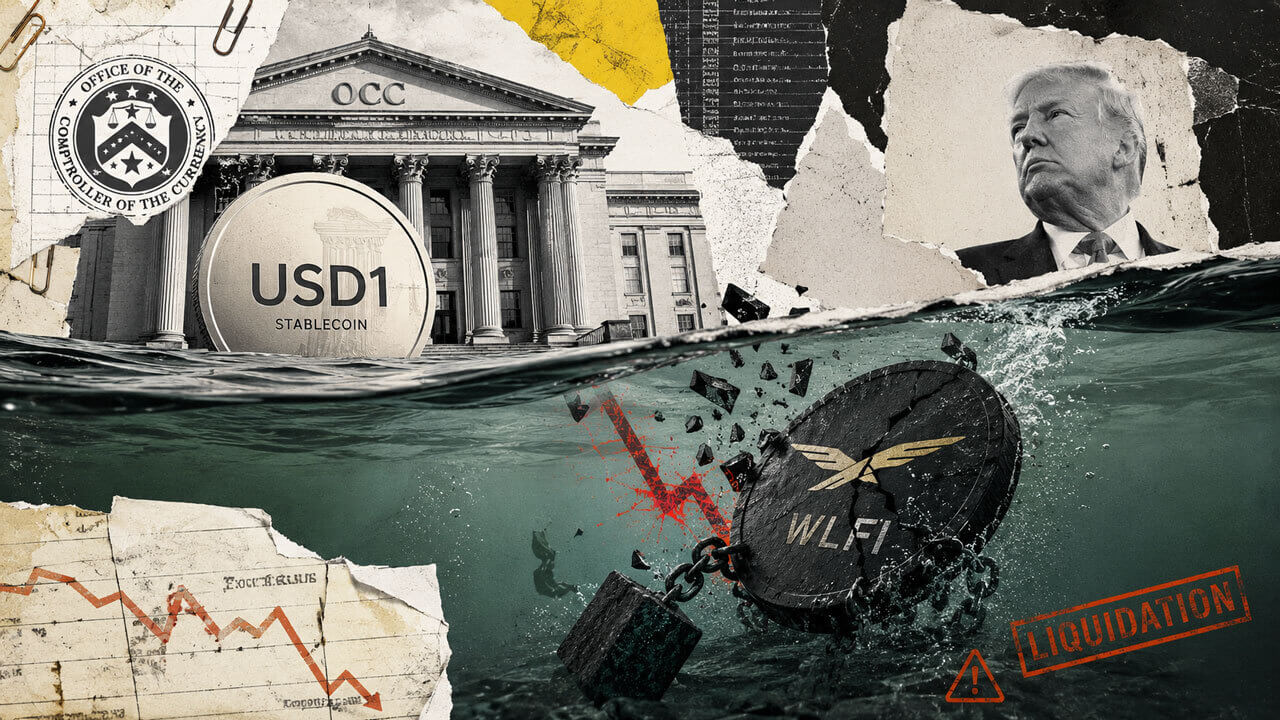
Trump-linked World Liberty Financial wins OCC bank approval as $112 million DeFi position sits near liquidation
The Office of the Comptroller of the Currency (OCC) gave World Liberty Financial, a DeFi venture associated with President Donald...
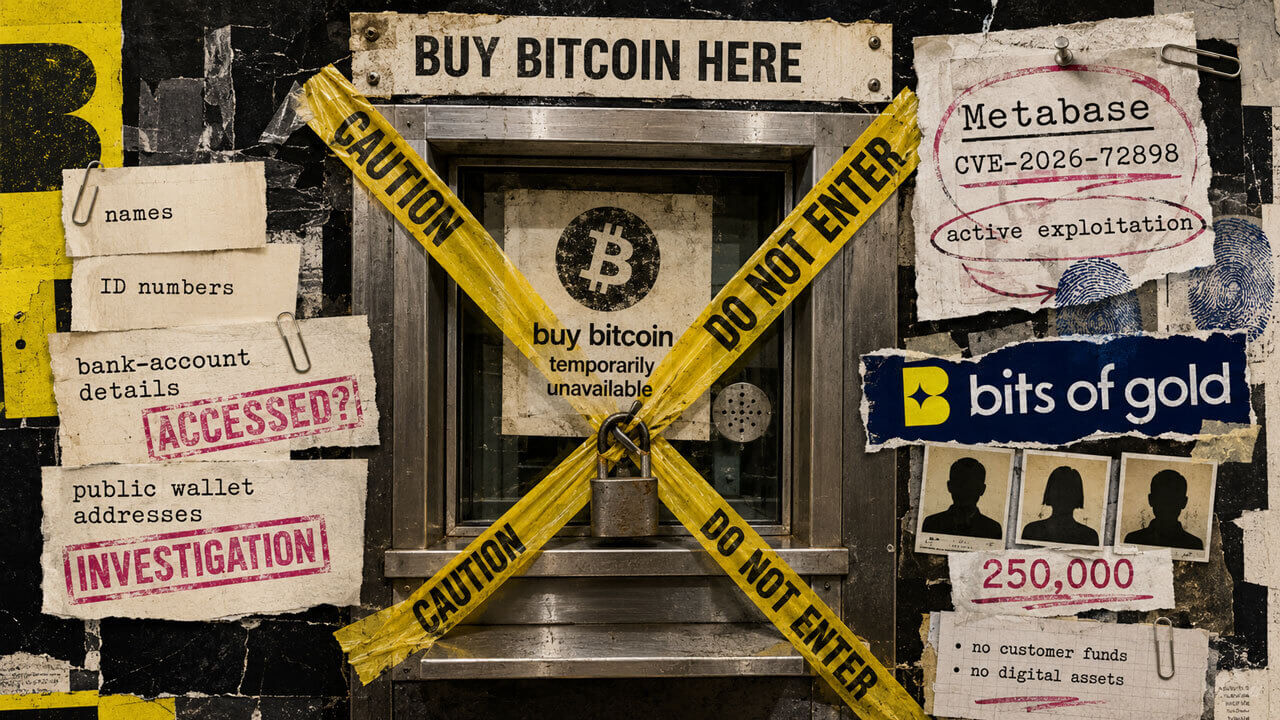
Bitcoin purchases halted after data breach puts 250,000 crypto users at risk
Israel’s largest regulated cryptocurrency broker, Bits of Gold, is investigating a data breach that potentially exposed the person...

HIVE Digital Technologies reports $79.1M in Q1 fiscal 2027 revenue as Bitcoin mining and AI segments surge
HIVE's revenue growth highlights the increasing significance of digital currency and AI sectors, potentially reshaping tech invest...