Galaxy Research proposes new voting system to reduce Solana inflation
Crypto research firm Galaxy Research has made a proposal to adjust the voting system that decides the outcome of future Solana inflation following the failure to come to a consensus in a previous vote.On April 17, Galaxy...
Archive context
Older archive item. Useful for background and entity history, but not a fresh market-moving signal.

Crypto research firm Galaxy Research has made a proposal to adjust the voting system that decides the outcome of future Solana inflation following the failure to come to a consensus in a previous vote.
On April 17, Galaxy introduced a Solana proposal called “Multiple Election Stake-Weight Aggregation” (MESA) to reduce the inflation rate of its native token, SOL (SOL). The researchers described the proposal as a “more market-based approach to agreeing on the rate of future SOL emissions.”
Rather than using traditional yes/no voting for inflation rates, MESA allows validators to vote on multiple deflation rates and uses the weighted average as the outcome.
“Instead of cycling through inflation reduction proposals until one passes, what if validators could allocate their votes to one or many changes, with the aggregate of ‘yes’ outcomes becoming the adopted emissions curve?” Galaxy explained.
The motivation for the concept comes from a previous proposal (SIMD-228), which showed community agreement that SOL inflation should be reduced, but the binary voting system couldn’t find consensus on specific parameters.
SIMD-228 proposed to change Solana’s inflation system from a fixed schedule to a dynamic, market-based model.
The new proposal suggests maintaining the fixed, terminal inflation rate at 1.5% and sets forth multiple outcomes that create multiple ‘yes’ voting options with different deflation rates from which an average is aggregated if a quorum is reached.
For example, if 5% vote for no change, remaining at 15% deflation, 50% vote for a 30% deflation rate, and 45% vote for 33%, the new deflation rate would be calculated as the aggregate at 30.6%. The target is to reach the terminal rate of 1.5% supply inflation.
Predicted inflation curves under new voting proposal. Source: Galaxy Digital Solving problems with binary votingThe benefits are that a more market-driven system allows validators to express preferences along a spectrum rather than with binary choices, while maintaining predictability with a fixed inflation curve.
“Galaxy Research seeks to suggest a genuinely alternative process to achieving what we believe is the community’s broad goal, and not necessarily proscribe any particular inflation rate outcome,” the firm explained.
Related: Solana upgrades will strengthen network but squeeze validators — VanEck
Under the current mechanism, supply inflation begins at 8% annually, decreasing by 15% per year until it reaches 1.5%. Solana’s current inflation rate is 4.6%, and 64.7% of the total supply, or 387 million SOL, is currently staked, according to Solana Compass.
Galaxy affiliate Galaxy Strategic Opportunities provides staking and validation services for Solana.
Magazine: Memecoin degeneracy is funding groundbreaking anti-aging research
Why this matters
This altcoin story adds another data point to the current market tape and is useful when read alongside nearby source coverage.
Original source
Read on CointelegraphRelated market context

Kraken tips Solana’s razor-thin inflation vote
A highly contentious proposal to alter the inflation rate of SOL, a vote called SGP-0002, has passed with precisely 67% ayes. Offi...

Helius Labs passes disinflation proposal after intense outreach to Solana validators
Solana's accelerated disinflation could stabilize token prices but may risk validator centralization, impacting network decentrali...

Solana Validators Approve Doubling Disinflation in First Governance Vote, With Kraken Reversing Late
Solana validators approved a proposal to double the rate at which SOL emissions decline, the first measure to pass through the net...

Solana proposal passes with Kraken’s last-minute vote flip
Kraken's vote flip highlights the volatility and influence of major validators in Solana's governance, impacting future network po...
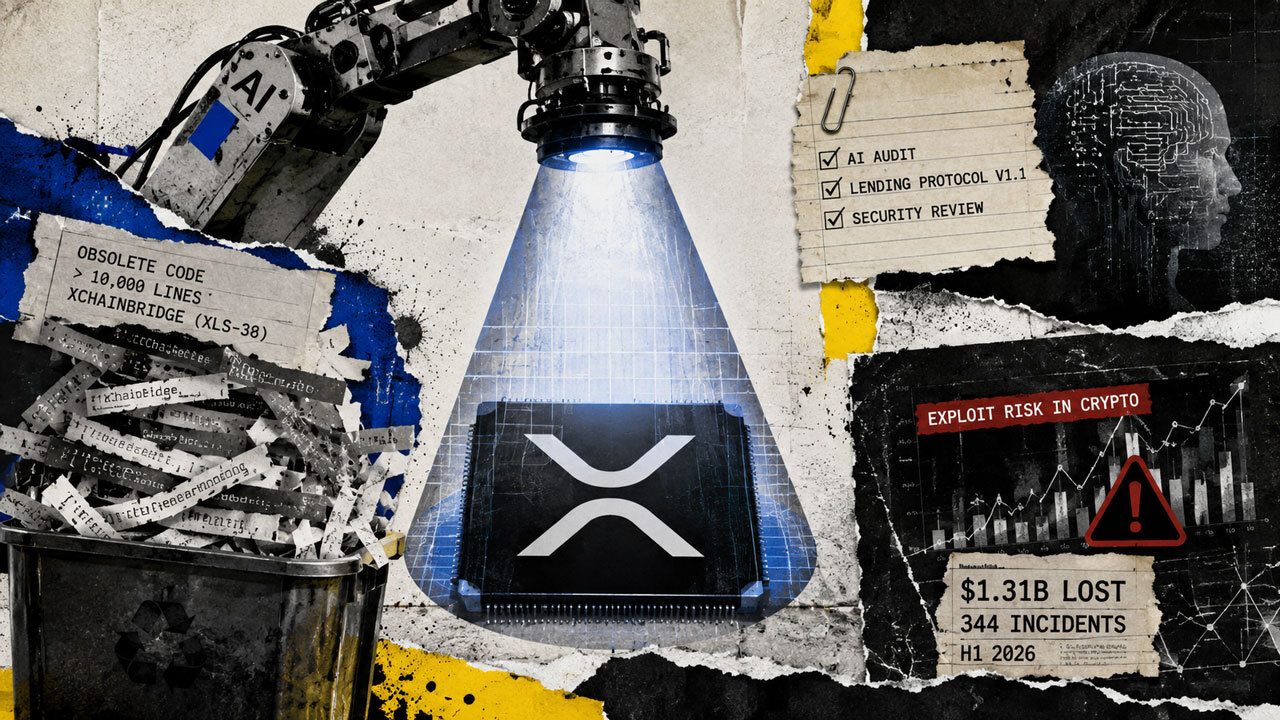
Ripple moves to shrink XRP Ledger attack surface as AI audit tests lending push
Ripple is moving to shrink the XRP Ledger’s (XRPL) attack surface as it prepares to expand native lending. The company has recomme...

Blockstream Researchers Propose SHRINCS, a Post-Quantum Bitcoin Signature Built to Preserve Block Space
Blockstream researchers published a draft specification on Thursday for SHRINCS, a post-quantum signature scheme built specificall...