Mastercard Unveils Stablecoin Settlement Support Spanning 8 Blockchains, Including The XRP Ledger
Mastercard said Wednesday it plans to open its global card-settlement network to regulated stablecoins, a move designed to let card issuers and acquirers clear card transactions directly on-chain. The company says the se...
Archive context
Older archive item. Useful for background and entity history, but not a fresh market-moving signal.

Mastercard said Wednesday it plans to open its global card-settlement network to regulated stablecoins, a move designed to let card issuers and acquirers clear card transactions directly on-chain.
The company says the service will operate across eight different blockchains, extending on what it describes as “real-world utility” for digital assets. Alongside the expanded on-chain settlement approach, Mastercard also plans to introduce intraday, weekend, and holiday settlement cycles.
Mastercard Moves Toward On-Chain SettlementIn its announcement, Mastercard said the stablecoins include Tether’s rival, Circle, and its USDC stablecoin, which Mastercard noted is already supporting early on-chain settlement activity in select markets.
Mastercard also listed stablecoins issued by Paxos, including PYUSD, USDG, and USDP. In addition, the company cited Ripple’s RLUSD and SoFi’s SoFiUSD as part of the initial stablecoin lineup for the network.
The stablecoins will be enabled across a broad set of supported blockchain networks, including Arbitrum (ARB), Base, Canton, Ethereum (ETH), Polygon (POL), Solana (SOL), Tempo, and the XRP Ledger (XRPL).
Mastercard did not describe any changes to the type of partners who can benefit from the network, but it said the plan will allow customers to use both traditional payment settlement and digital-asset-based settlement through the same infrastructure they use today.
More Networks And Assets Planned Through 2026Raj Dhamodharan, executive vice president of Blockchain & Digital Assets at Mastercard, said the company views the next stage of stablecoin adoption as being about practical use in areas where timing and liquidity matter.
The executive pointed specifically to settlement as a key factor, and he described intraday and weekend options as a way for partners to better manage liquidity in an always-on digital economy.
Mastercard added that the expanded capabilities will roll out globally “subject to regulation.” The company said the initial deployment will be limited to “parts of the United States and Latin America.”
The payment giant indicated that additional regions, partners, and regulated stablecoins will be added through 2026, as its stablecoin settlement offering expands beyond the initial rollout areas.
Featured image created with OpenArt; chart from TradingView.com
Why this matters
Mastercard is showing up inside the Stablecoins theme, so this story is worth tracking for follow-through rather than treating it as a one-off headline.
Original source
Read on NewsBTCRelated market context

Circle mints 250M USDC on Solana, boosting liquidity and network potential
Increased USDC supply on Solana may enhance network activity and adoption, but market caution persists regarding significant price...
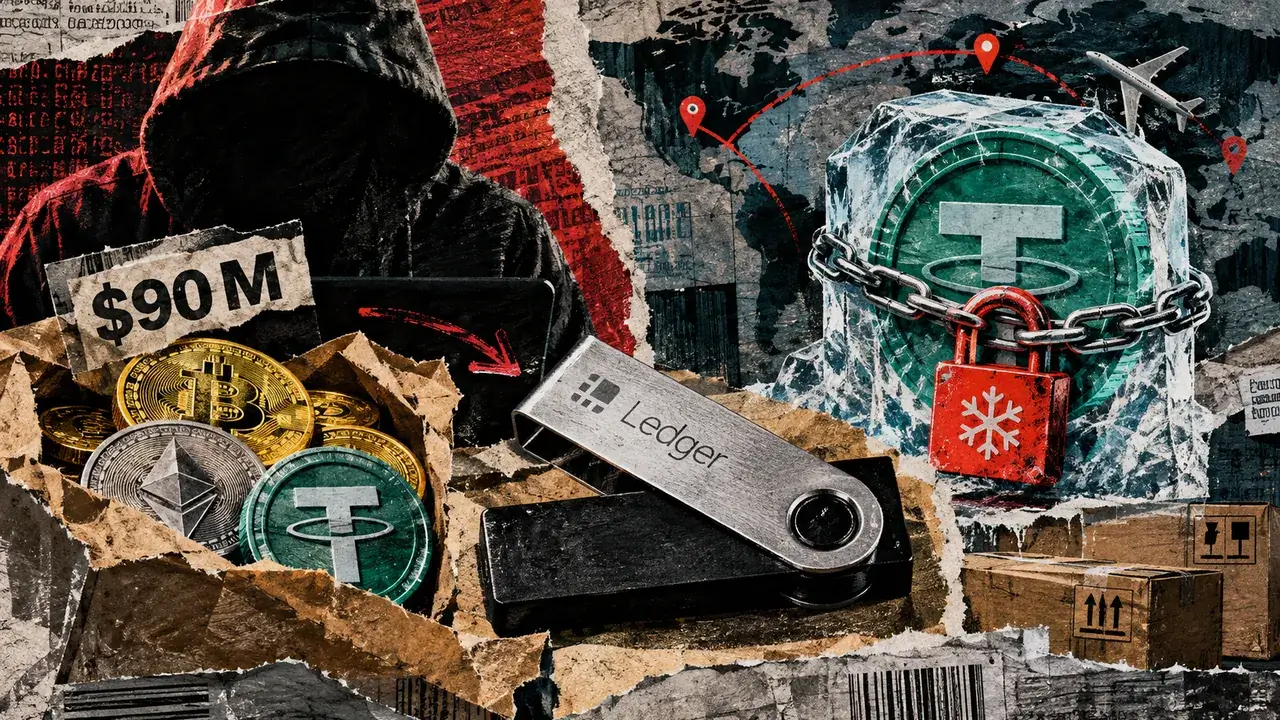
Ledger hack scare nears $90 million as Tether moves to freeze stolen USDT
Suspected Ledger wallet thefts are approaching $90 million as Tether freezes USDT stablecoin linked to the incident, according to...

Circle minted another 750 million USDC on Solana in the last 24 hours
Increased USDC liquidity on Solana may boost SOL demand, but its market impact depends on active circulation and broader crypto tr...

Stealing $1.5B in crypto is easy, cashing out is the trap
North Korean hackers stole around $1.5 billion from Bybit in February 2025. While the hack itself has been widely covered and anal...
Tether Freezes $1.45M in THORChain USDT Vaults, Then Reverses Blacklist Hours Later
Key Takeaways: The amount of about $1.45 million in USDT was temporarily frozen in THORChain vault addresses. According to THORCha...

Ledger theft-linked funds shift from USDT to USDD to dodge Tether freezes
The shift from USDT to USDD underscores vulnerabilities in stablecoin freeze mechanisms, prompting scrutiny on regulatory and secu...