Ripple and UC Berkeley Introduce UDAX Program to Grow XRP Ledger Ecosystem
Key Takeaways: The first batch consisted of nine startups that specialized in such areas as tokenized capital markets, decentralized insurance, and the creator economy. The teams that participated indicated an average of...
Archive context
Older archive item. Useful for background and entity history, but not a fresh market-moving signal.

Key Takeaways:
- The first batch consisted of nine startups that specialized in such areas as tokenized capital markets, decentralized insurance, and the creator economy.
- The teams that participated indicated an average of 67 percent increase in product maturity and 92 percent growth in confidence in fundraising after six weeks of pilot.
- Ripple recently reported that the first group of participants in its University Digital Asset Xcelerator, a joint program with the University of California, Berkeley, graduated. The program acts as a special channel through which blockchain ideas can be transferred out of a campus environment and into the financial market.
The University Digital Asset Xcelerator (UDAX) has been unveiled by Ripple and UC Berkeley to liaise between early academic innovation and institutional blockchain implementation.
Combining Academic Research and Market UtilityThe UDAX program was an expansion of the decades-old University Blockchain Research Initiative (UBRI) launched by Ripple that has been funding academic research over the years. The new accelerator targets specifically those startups that are developed on the XRP Ledger (XRPL), who will receive technical support and mentorship by the Ripple engineers. The program tries to address the problem of the valley of death by matching student founders with industry veterans, since many promising blockchain projects do not have an institutional-grade business.
In the course of the six-week intensive pilot, nine startups have been striving to perfect their business models and code. The curriculum ended with a demo day, hosted at the headquarters of Ripple in San Francisco, where the founders pitched their projects to 13 venture capital firms and developers of core XRPL. This was the bridge that helped to bridge theoretical research and guided it towards the practical needs of the crypto investment community.
Practical Applications and Accomplishment AchievementSome of the startups in the cohort showed a great level of growth in the course of their stay in the program. WaveTip is an instant tipping platform that became successful on social media switching to the XRPL Mainnet and deployed its service on the Chrome Web Store. Another player, X-Card, specialized in the tokenization of real-world items, having deposited over 1.5 million items of inventory and finding merchants.
The financial sector also gained momentum with such projects as the CRX Digital Assets. The accelerator saw the team export Brazilian credit products into international markets, increasing their tokenized volume to $58 million as compared to the initial volume of $39 million. Meanwhile, Blockroll incorporated the Ripple RLUSD stablecoin to support digital cards of African freelancers, which is an indication of the usefulness of the ledger in cross-border remittances.
Read More: Ripple’s $1.2B RLUSD Stablecoin Wins ADGM Approval Targeting Middle East Institutionals
Measuring Program SuccessSpecific growth measures that were given by the participants were used to measure the results of the pilot.
- Product Maturity: There was an average of 67% growth in technical and operational readiness in teams.
- Fundraising Confidence: Founders had an average improvement in their confidence about external capital of 92% improvement.
- Strategic Growth: Startups such as EXFIL had increased their user base twice when concentrating on blockchain threat intelligence.
It is based on this collaborative model, which implies a change in the way blockchain firms relate to universities. However, instead of just giving grants to do their general research, the emphasis is shifting to producing particular, deployable tools that can instantly add liquidity and functionality to a particular network, such as the XRP Ledger.
Read More: Ripple and SBI to Launch RLUSD Stablecoin in Japan’s $300B Market by 2026
The post Ripple and UC Berkeley Introduce UDAX Program to Grow XRP Ledger Ecosystem appeared first on CryptoNinjas.
Why this matters
XRP is showing up inside the Stablecoins theme, so this story is worth tracking for follow-through rather than treating it as a one-off headline.
Original source
Read on CryptoNinjasRelated market context

Standard Chartered brings Ripple’s RLUSD into banking custody after $765 million quarterly surge
Standard Chartered has launched custody for Ripple's RLUSD stablecoin as it prepares to expand its use as collateral for instituti...
Ripple’s RLUSD Gains Standard Chartered Custody on the XRP Ledger
Eligible institutions can now safeguard Ripple’s RLUSD on the XRP Ledger through Standard Chartered’s digital asset custody servic...

XRP’s next Wall Street expansion comes with an unexpected complication from Ripple
Evernorth is preparing to begin trading on Nasdaq on Monday, bringing approximately 473 million XRP into a publicly traded treasur...
Standard Chartered launches custody for Ripple’s RLUSD on XRP Ledger
The bank is working with Ripple and LMAX Group to enable RLUSD as collateral for certain LMAX products under its collateral mirror...

State of TRON Q3 2026 Report Highlights $2.21 Trillion in Stablecoin Settlement Amid Network Activity Growth
Geneva, Switzerland, October 12, 2026 — TRON DAO, the community-governed DAO dedicated to accelerating the decentralization of the...
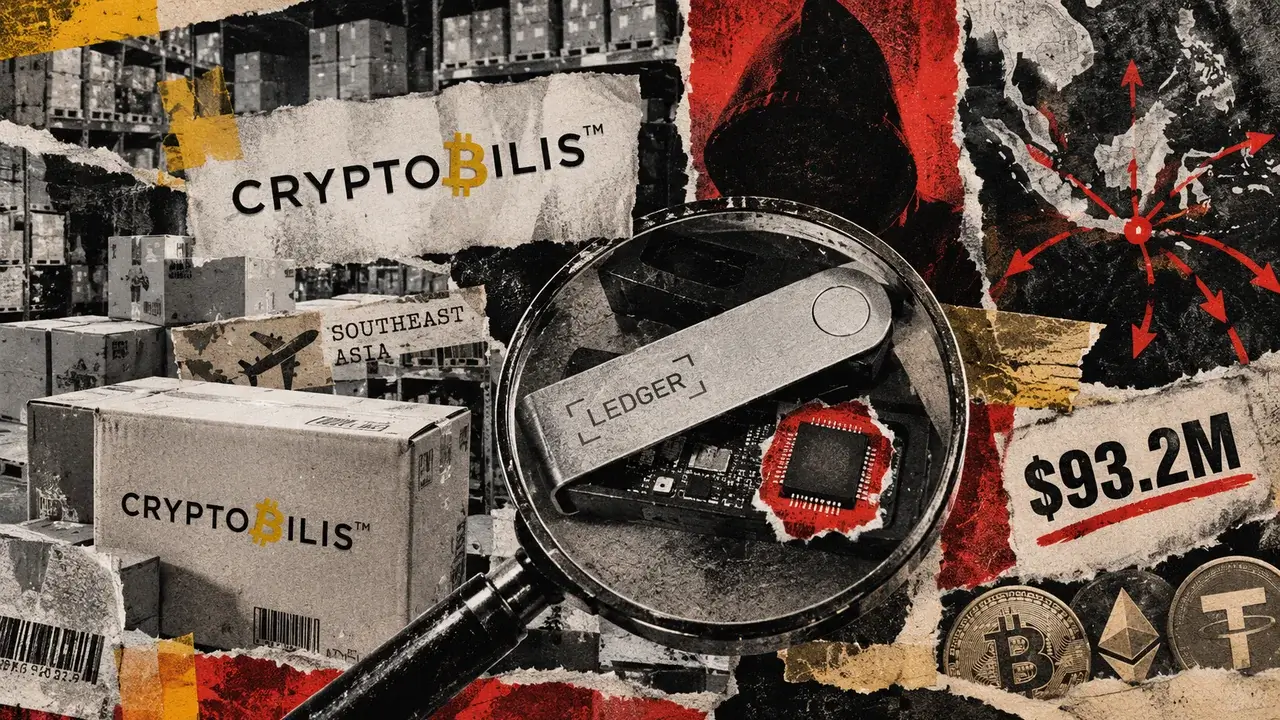
Ledger wallet implant exposes a gap in its authenticity check
Ledger has confirmed an unauthorized hardware implant in one affected customer's wallet as independent investigators estimate $93....