Ripple Builds ‘Next Amazon’ With XRP At The Center, Says Crypto CEO
Ripple’s 2025 acquisition spree is starting to look, in the eyes of Digital Ascension Group CEO Jake Claver, less like opportunistic dealmaking and more like an attempt to build the “Amazon of financial infrastructure,”...
Archive context
Older archive item. Useful for background and entity history, but not a fresh market-moving signal.

Ripple’s 2025 acquisition spree is starting to look, in the eyes of Digital Ascension Group CEO Jake Claver, less like opportunistic dealmaking and more like an attempt to build the “Amazon of financial infrastructure,” a vertically integrated stack where XRP and Ripple’s stablecoin RLUSD sit at the settlement layer.
In a video, Claver said Ripple spent roughly $2.45 billion on acquisitions in the last seven months of 2025, arguing the purchases form “pillars for a master plan” that mirrors how Amazon built dominance by owning infrastructure rather than just selling products.
Why Ripple Could Be The ‘Next Amazon’The core analogy was explicit. “Amazon’s success came from building infrastructure, not just from self products,” Claver said. “You got AWS. It became the most profitable piece of their business. That was infrastructure. They own all of the warehouses and logistics and the cloud and the marketplace.”
His contention is that infrastructure plays create structural advantages: lower marginal costs, faster iteration, and higher switching costs once institutions integrate. “This vertical integration is rare in financial services,” he said, arguing that most firms “specialize in one layer or partner for the rest,” which introduces friction, delays, and blame-shifting when systems fail.
He also claimed the endgame resembles “winner take all dynamics,” where “network effects make the large networks exponentially more valuable than small ones” and “switching becomes cost prohibitive” once workflows are embedded.
To explain the Amazon comparison, Claver mapped Ripple’s 2025 deals to what he sees as the minimum viable infrastructure bundle for an institutional “platform.”
“You need custody and clearing for assets. You need treasury management for corporate operations. You need payment rails that work globally 24/7, 365,” he said. “You need a stable coin infrastructure for efficient settlements. And you need settlement assets to be able to move between all of those.”
He argued Ripple has assembled those layers through a mix of older buys and 2025 mega-deals, culminating in what he called an end-to-end institutional product branded “Ripple 1.”
The most prominent 2025 move, Claver said, was the $1.25 billion purchase of Hidden Road in April, now rebranded “Ripple Prime.” His framing: prime brokerage is the institutional “plumbing” that makes large-scale trading and settlement possible.
“Prime brokers provide the behind-the-scenes services that make institutional trading possible,” he said. “They handle clearing. They make sure trade actually settles between counterparties. They provide custody and hold assets securely.” He added that Hidden Road served “over 300 institutional clients” and cleared “more than $3 trillion” in 2024, and claimed the business has grown “3x” since the acquisition announcement.
He also pointed to an integration hook meant to create internal demand for Ripple’s stablecoin: “Hidden Road will use RLUSD as collateral across prime brokerage products. And this creates organic demand for Ripple stablecoin with institutional adoption.”
The second pillar, he said, was Rail, acquired for about $200 million in August 2025, described as a stablecoin payments platform that operates 24/7 and reduces the need for enterprises to hold crypto directly. He claimed Rail was forecast to process “over 10%” of a $36 billion global B2B stablecoin payments market in 2025.
Third came GTreasury, acquired for $1 billion after being announced in October 2025 and closing in December, which Claver described as treasury software used by large corporations and processing $12.5 trillion in annual payment volume. The strategic value, he argued, is distribution: access to CFOs and treasurers via trusted software already embedded in corporate finance workflows.
The fourth, Palisade, announced in November 2025 with undisclosed terms, was framed as the “hot wallet” layer: operational wallet-as-a-service infrastructure for high-velocity transaction use cases, complementing deeper custody solutions.
At press time, XRP traded at $2.10.
Why this matters
XRP is showing up inside the Stablecoins theme, so this story is worth tracking for follow-through rather than treating it as a one-off headline.
Original source
Read on NewsBTCRelated market context

Stripe, Mastercard and Circle agree to pay up to $3.3 billion for stablecoin operators
The acquisitions highlight the strategic importance of stablecoin infrastructure, potentially reshaping global payment systems and...
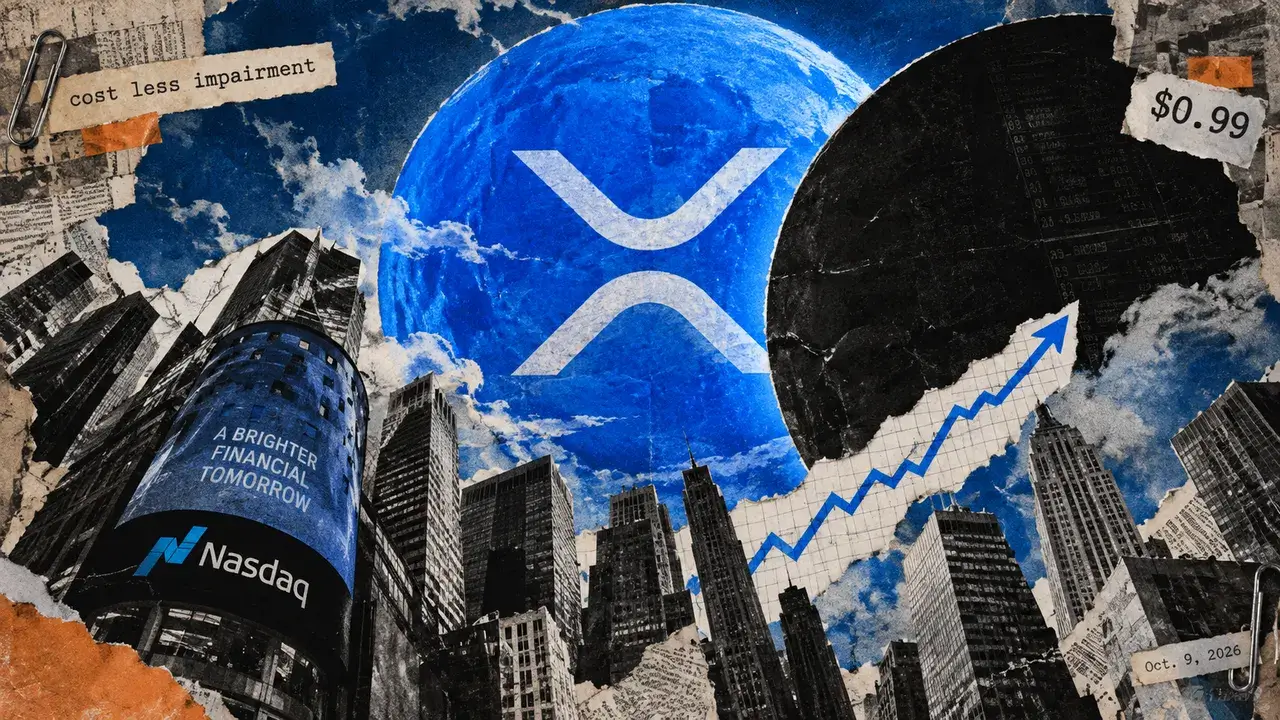
XRP’s next Wall Street expansion comes with an unexpected complication from Ripple
Evernorth is preparing to begin trading on Nasdaq on Monday, bringing approximately 473 million XRP into a publicly traded treasur...

XRP Price Prediction: Can Ripple Hold $1.40 or is $1.20 Next?
Today’s XRP price prediction centers on Ripple’s expansion into Wall Street financing, reigniting a familiar concern for XRP holde...
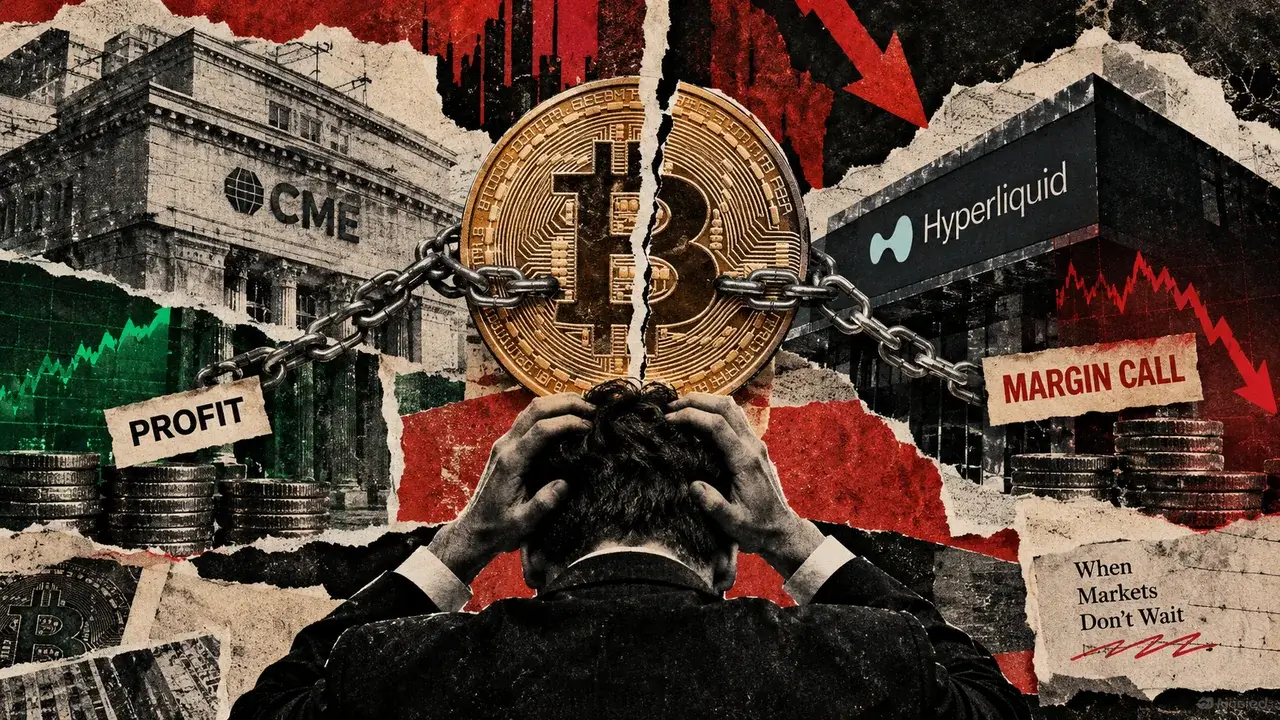
Bitcoin hedge funds face a liquidation trap when their collateral is split across markets
Here's a hypothetical situation: a hedge fund is making money, but one of its exchanges is about to liquidate its position anyway....
Bitcoin miners need roughly $50 billion to finish their AI pivot
Bitcoin miners' AI pivot demands massive funding, potentially reshaping investment strategies and partnerships beyond traditional...
Bitcoin, Ether ETFs Lose $1.2 Billion as Institutional Demand Cracks
U.S. crypto ETF demand reversed sharply in the week through Oct. 9, with bitcoin and ether funds losing more than $1.2 billion com...