Ripple CEO Heads to Capitol Hill as Congress Prepares Landmark Crypto Market Hearing
Key Takeaways: U.S. Congress schedules full hearing on crypto market structure next week, with major industry figures set to testify, including Ripple CEO Brad Garlinghouse. The hearing could reshape crypto legislation i...
Archive context
Older archive item. Useful for background and entity history, but not a fresh market-moving signal.
Key Takeaways:
- U.S. Congress schedules full hearing on crypto market structure next week, with major industry figures set to testify, including Ripple CEO Brad Garlinghouse.
- The hearing could reshape crypto legislation in the U.S., with CLARITY and GENIUS Acts moving toward the floor.
- Amid intensifying regulation, Roman Storm of Tornado Cash breaks silence ahead of his federal trial, highlighting mounting pressure on open-source developers.
Crypto is returning to the center of the U.S. legislative agenda next week as Congress prepares a high-stakes hearing on the market structure of digital assets. Following weeks of legislative wrangling over broader economic reforms, lawmakers are shifting their attention back to the digital asset ecosystem—with Ripple’s CEO Brad Garlinghouse and other top industry leaders summoned to testify.
This pivotal session, scheduled for Wednesday at 10:00 AM ET, may signal a major inflection point in crypto regulation in the United States.
Read More: Congressman Demands SEC Reveal Secret ETH Docs After Years of Mixed Signals—What’s Hiding?
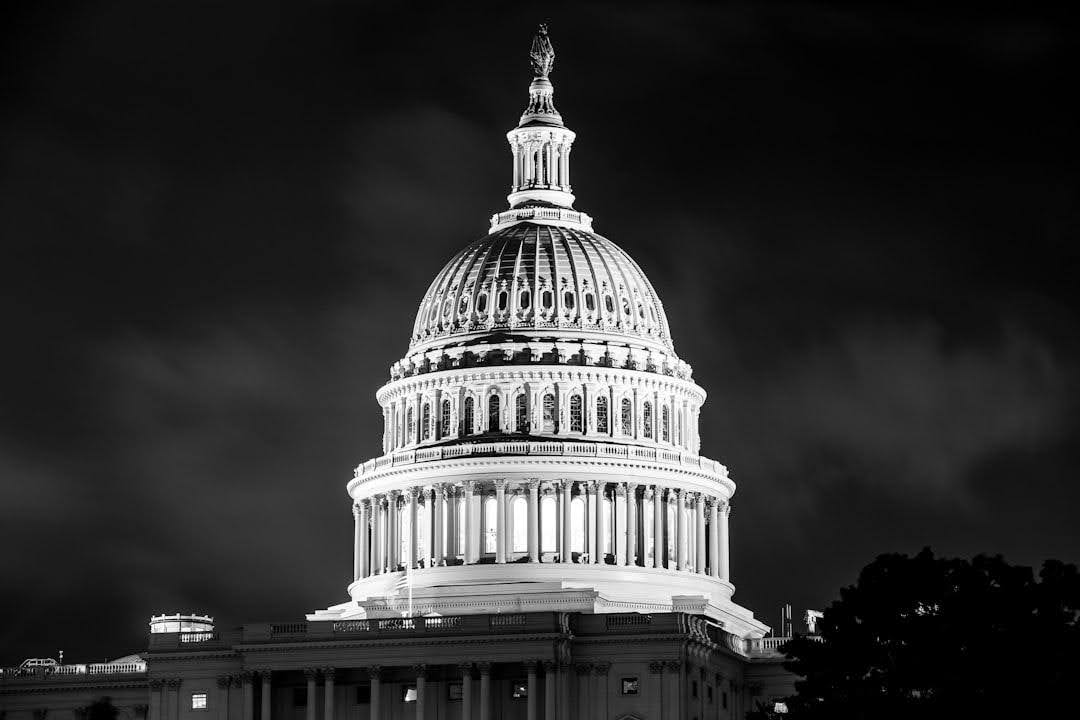
Full Committee Hearing Set to Tackle Market StructureThe U.S. Senate Banking Committee GOP has confirmed it will host a full committee hearing focused on crypto market structure, a long-awaited legislative focus that could affect the future of how crypto businesses operate in America.
Eleanor Terrett, host of Crypto in America, first reported the hearing via X, noting that the draft version of the CLARITY Act—a bill aiming to define how digital assets are classified and regulated—is expected to be central to discussions.
The list of confirmed witnesses includes:
- Brad Garlinghouse, CEO of Ripple
- Kristin Smith, CEO of the Blockchain Association
- Jonathan Levin, CEO of Chainalysis
- Dan Robinson, General Partner at Paradigm
Each figure brings a different perspective: Ripple’s regulatory battles with the SEC, Chainalysis’s role in blockchain forensics, and Paradigm’s focus on decentralized finance (DeFi) innovation.
Read More: Ripple Drops Cross-Appeal in SEC Case, Bringing 4-Year Legal Saga Over XRP Token Sales to an End
The upcoming hearing follows the collapse of efforts to include crypto-related amendments in President Trump’s massive “One Big Beautiful Bill,” where Senator Cynthia Lummis’s proposed tax amendment for crypto was dropped, despite strong lobbying.
CLARITY and GENIUS Acts Moving in ParallelThe CLARITY Act, expected to be discussed heavily during the hearing, is designed to create a regulatory framework separating digital commodities from securities, which has been a long-standing issue dividing the SEC and CFTC.
At the same time, the GENIUS Act (Guiding and Establishing National Innovation for U.S. Stablecoins) continues its own trajectory toward a potential vote in the House. If passed, GENIUS would move to President Trump’s desk for signing, while CLARITY would proceed to Senate deliberation.
Industry insiders suggest both bills are foundational to the future of U.S. crypto regulation, especially after a long period dominated by enforcement-led actions from federal agencies.
Republican lawmakers are reportedly pushing for greater legal certainty, particularly in defining what counts as a decentralized protocol and how open-source developers should be treated under federal law.
Roman Storm Trial Looms as Developers Face Legal RisksWhile legislators prepare for policy debates, the case of Roman Storm—co-founder of Tornado Cash—is drawing significant attention across the crypto industry.
Storm, facing federal charges for his role in building the privacy protocol, gave his first public interview this week on Crypto in America, raising alarm over the criminalization of open-source code.
“We Wrote Code—We Weren’t a Business”Storm, who emigrated from Russia at 19 and taught himself to code, says Tornado Cash was designed to be “non-custodial, immutable, and without an off switch.” He denies ever profiting from the platform or interacting with sanctioned entities.
Federal prosecutors allege that Tornado Cash facilitated money laundering activities tied to North Korea’s Lazarus Group, which reportedly used the protocol to obfuscate stolen funds.
Storm argues that the case is part of a broader regulation-by-enforcement strategy under the Biden administration—one that threatens to chill innovation in the open-source ecosystem.
“If I lose, I don’t think it does any good for crypto, DeFi, or the United States as a place to innovate,” Storm stated.
He also shared details of his arrest, recalling armed federal agents appearing in his backyard, and described the psychological toll of being “debanked” multiple times since the indictment.
Legal Pressure Mounts on Builders Behind Decentralized ProtocolsStorm’s case is not just about privacy processes—it has consequences for developers of decentralized services that do not hold user funds but work to provide quick, private transactions. Writing and deploying code should not be criminalized at all, if developers do not operate or maintain the system afterwards, his legal team contends.
This legal limbo is something Congress is increasingly pressed to address, particularly as developers look for guidance on liability and compliance.
With the likes of the crypto builders behind Uniswap, Aave, and other projects pushing code that runs on decentralized networks, the line between code creator and financial services provider continues to blur.
This week’s hearing could play a critical role in determining how far the government will go in holding protocol creators accountable.
At the heart of the debate is a single question: Can software be considered a financial entity if it runs independently of its developers?
The post Ripple CEO Heads to Capitol Hill as Congress Prepares Landmark Crypto Market Hearing appeared first on CryptoNinjas.
Why this matters
This altcoin story adds another data point to the current market tape and is useful when read alongside nearby source coverage.
Original source
Read on CryptoNinjasRelated market context

Ripple Prime Opens 24/7 Swaps on Stocks, Metals and Currencies, With Virtu Already Trading
Ripple Prime, Ripple’s institutional prime brokerage, now lets clients hold positions on stocks, indices, commodities and currenci...

Ripple Brings RLUSD to Cross River Bank as Garlinghouse Backs Evernorth’s XRP Strategy
Announced on October 15, the Cross River partnership integrates Ripple USD (RLUSD) into the bank’s proprietary Core Operating Syst...

Ripple RLUSD Hits $2.5B, Enters Cross River Banking Stack for 24/7 Payme
Key Takeaways: RLUSD integration is being made by Cross River into the core banking infrastructure of the XRP Ledger. Fintechs wil...

Ripple opens Wall Street’s door to Hyperliquid’s $59 billion trading market
Institutions trade swaps referencing more than 100 traditional financial markets around the clock, with Ripple Prime as the princi...

XRP Price Prediction: XRP Duo Turn Bullish, $1,000 Dream Lives On
XRP is trading at $1.34, up more than 1% after a brutal Wednesday. Ripple CEO Brad Garlinghouse says XRP has legal clarity despite...
DriveWealth Turns to Ripple’s RLUSD Stablecoin for Client Funding, With Europe First
DriveWealth, the company that runs the brokerage plumbing behind investing products offered by more than 100 partners worldwide, w...