Ripple CTO Reveals Why XRP Never Powered XRPL Consensus in Stunning Governance Twist
Key Takeaways: Ripple CTO Emeritus David Schwartz elaborated on his reasons for XRP not being employed in the XRPL consensus mechanism. Schwartz noted that while XRP Ledger was created in 2011, there was no concept of Po...
Archive context
Older archive item. Useful for background and entity history, but not a fresh market-moving signal.

Key Takeaways:
- Ripple CTO Emeritus David Schwartz elaborated on his reasons for XRP not being employed in the XRPL consensus mechanism.
- Schwartz noted that while XRP Ledger was created in 2011, there was no concept of PoS at that time.
- He also warned that using XRP for consensus would have concentrated too much control in Ripple’s hands.
Ripple CTO Emeritus David Schwartz has addressed one of the longest-running debates around the XRP Ledger. In a recent post on X, Schwartz went into reasons why XRP has not been included in the consensus design of the network, even though it’s the native token of the XRP ecosystem.
It wasn’t XRP for two reasons:
1) Prove of stake hadn’t been invented yet and we weren’t clever enough to think of it.
2) That would have left Ripple in control of the consensus mechanism whether people wanted that or not.
It’s just shareholder choice. If you think a validator…
— David ‘JoelKatz’ Schwartz (@JoelKatz) May 12, 2026
His observation soon resonated among the entire crypto community, as most of the crypto debates revolve around issues of decentralization and validation activities.
Read More: Ripple CTO Holds XRP Only After Massive Gains, Warns Crypto Investors to Sell Some
David Schwartz Explains Why XRP Was Excluded From ConsensusSchwartz said there were two main reasons XRP was never tied to validator consensus on the XRP Ledger.
First, they didn’t have grounds for Proof-of-Stake systems at XRPL’s infancy, he pointed out. The original may have not had such a framework when designing the network architecture, Schwartz said.
What would have been more important, however, is that if he had integrated XRP in the consensus, Ripple would have had too much say of the network, he said.
“It would have left Ripple in control of the consensus mechanism whether people wanted that or not,” Schwartz wrote on X.
The XRP project was launched in 2011 by the project founders David Schwartz, Jed McCaleb and Arthur Britto as the alternative to Bitcoin’s energy intensive Proof of Work system. Instead of mining or staking, XRPL uses a validator agreement system where participants independently choose which validators they trust.
Read More: Ripple Shifts to Digital Assets Custody
XRPL Relies on Validator Choice Instead of Staking Consensus Depends on Trusted ValidatorsSchwartz described the model as “shareholder choice,” where network participants decide which validators reliably prevent double-spending and maintain honest transaction ordering.
While in practice, users join consensus indirectly by running the same software and validator lists with others who have adherence to the same rules and preferences.
Contrary to proof-of-work cryptocurrencies that require mining equipment, or proof-of-stake that rely on token holders, XRPL consensus is based on a sort of middle ground: overlapping trust among the validators. This is one of the network’s enduring hallmarks, having served as a hallmark for over 10 years.
XRP Ledger Continues Pushing Its Alternative ModelSchwartz has repeatedly defended XRPL’s consensus mechanism over the years, arguing that financial incentives tied to validation can create unnecessary friction inside blockchain networks.
In past public forums, he pitched the idea that it’s more effective to get people into network activity for system reliability than the actual incentives that validators receive themselves.
His recent remarks come at a time when crypto projects are aggressively racing to assert decentralization, have disproportionate aggregations of validators and lack consensus on the transparency of their governance.
The post Ripple CTO Reveals Why XRP Never Powered XRPL Consensus in Stunning Governance Twist appeared first on CryptoNinjas.
Why this matters
XRP is showing up inside the DeFi theme, so this story is worth tracking for follow-through rather than treating it as a one-off headline.
Original source
Read on CryptoNinjasRelated market context

Ripple Custody Adds Canton Network Support, Bringing CC and CIP-56 Into One Vault
Key Takeaways: Ripple Custody 1.43 adds support for Canton Network, CC and CIP-56 tokens. Institutions can be given the same custo...
XRPL’s $1.34 billion stablecoin base doesn’t tell us how much XRP users need
Tracked stablecoins on the XRP Ledger totaled $1.338 billion on Oct. 7. For XRP holders, the critical question is how much activit...

Sui’s Hashi Launches With $500M to Turn Bitcoin Into Productive DeFi Collateral Markets
Key Takeaways: With more than $500 million in locked-in tokens, Hashi will launch its phased mainnet launch. The protocol enables...

Brazil’s BRL 22T CSD BR Moves Fund Records to XRP Ledger in Live Tokenization Push
Key Takeaways: CSD BR is leveraging the XRP Ledger to reflect real-time fund holdings. Over BRL 22 trillion in registered assets i...
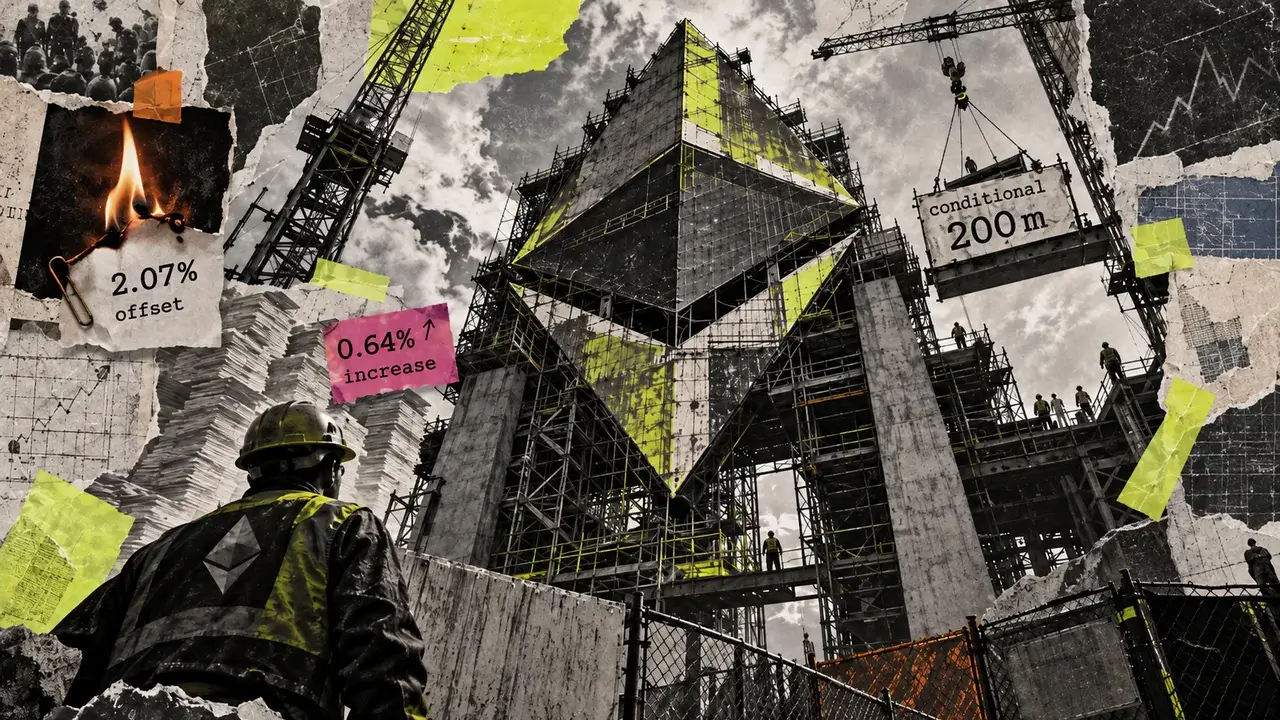
ETH fee burns cover just 2% of new coins printed in 2026
Ethereum's transaction fees have burned enough ETH to offset just 2.07% of the new coins issued in 2026, according to an Oct. 9 su...

Luxor’s reported 6–13% annualized Bitcoin yield depends on mining delivery
Luxor, a Bitcoin mining derivatives provider, reported a 6–13% annualized Bitcoin financing spread in its September lookback, publ...