Ripple’s Bold Legal Move Challenges SEC: Could This Shift Unlock XRP ETFs and Redefine Crypto Regulation?
Key Takeaways: Ripple’s Chief Legal Officer pushes the SEC for clear, legally grounded guidelines on when crypto tokens cease to be securities. Proposes a “network maturity” test to distinguish mature digital assets from...
Archive context
Older archive item. Useful for background and entity history, but not a fresh market-moving signal.
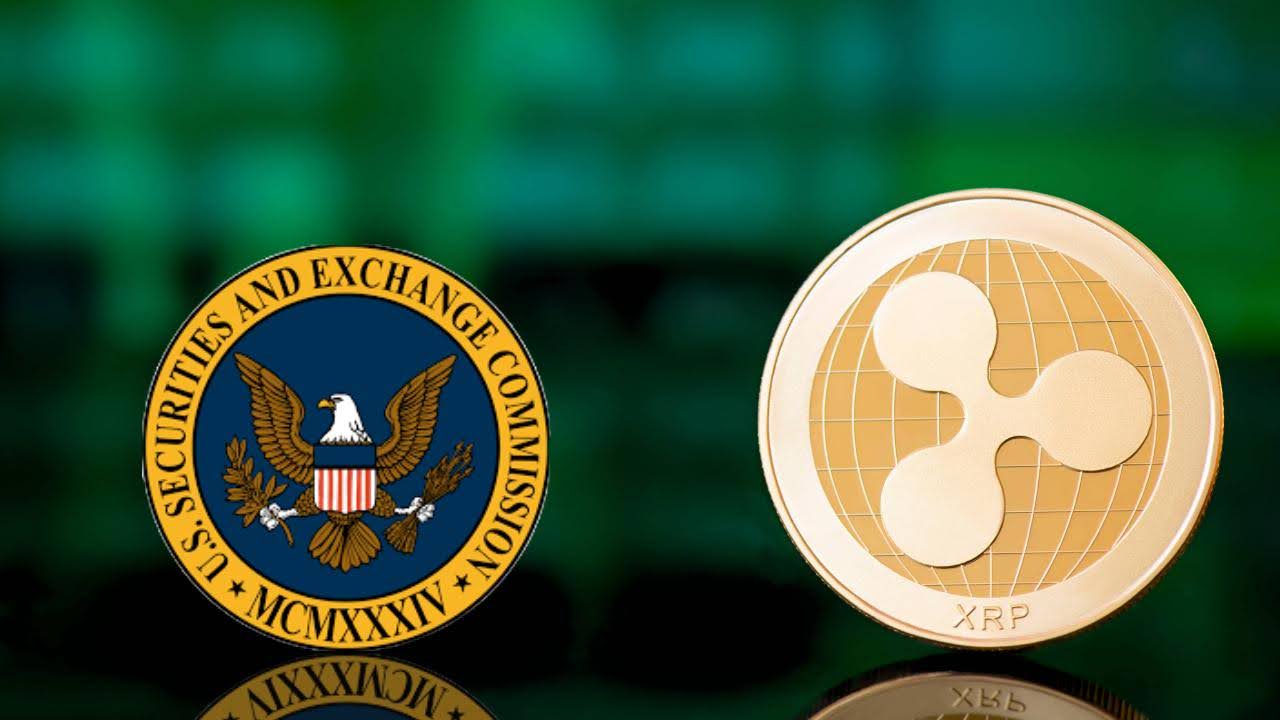
Key Takeaways:
- Ripple’s Chief Legal Officer pushes the SEC for clear, legally grounded guidelines on when crypto tokens cease to be securities.
- Proposes a “network maturity” test to distinguish mature digital assets from securities, emphasizing Congressional lawmaking over regulatory overreach.
- Legal precedent from the Ripple case supports that many XRP transactions, especially secondary market sales, do not qualify as securities.
Cryptocurrency regulation remains a battleground as Ripple intensifies efforts to clarify the legal status of digital assets. Ripple’s latest letter to the SEC’s Crypto Task Force is a strategic move to get clearer guidelines based on current securities law. This is especially important since XRP ETF launches are on hold. The goal is to remove mature tokens from outmoded investment contract frameworks.
Read More: SEC Commissioner Criticizes Ripple Settlement as Crypto Enforcement Weakens
Ripple’s Legal Strategy: Seeking Clarity and CertaintyStuart Alderoty, Ripple’s Chief Legal Officer, recently issued a long letter to the U.S. Securities and Exchange Commission‘s (SEC) Crypto Task Force. The letter posed a very crucial legal question: When does a crypto token stop being a security and an investment contract?
Alderoty’s position leans heavily on established legal interpretations rather than new regulatory inventions. He references a legal analysis by Lewis Cohen and colleagues, which clarifies that most fungible crypto assets traded in secondary markets do not meet the criteria to be classified as securities. According to this view, the hallmark of a security—a defined legal relationship between issuer and investor—often disappears once tokens circulate beyond initial sales.
Judge Torres’s groundbreaking decision in SEC v. Ripple Labs Inc. strengthens this legal base even more. The court decided that some institutional sales of XRP constituted investment contracts, but XRP itself, especially when it is sold on the secondary market, is not a security. This ruling forms a cornerstone of Ripple’s argument for regulatory clarity, underscoring the mismatch between how tokens trade today and outdated securities law frameworks.
Why Congress, Not the SEC, Should Set Crypto RulesAlderoty stresses that the SEC lacks the authority to unilaterally create new crypto regulations. Instead, he urges Congress to legislate clear standards that reflect the unique nature of digital assets.
He cautions against the SEC relying on vague terms like “sufficient decentralization” or “fully functional” networks, which have caused confusion and legal uncertainty. Instead, Ripple advocates for straightforward, objective tests rooted in economic realities. This approach would reduce enforcement risks for genuine market participants and avoid the pitfalls of “regulation by enforcement,” where ambiguous rules leave the industry guessing.
The letter also proposes a safe harbor framework to protect good-faith actors during early network development stages. Such protections would foster innovation while maintaining accountability for bad actors making unfulfilled promises related to profits, dividends, or network functionality.
Defining the “Network Maturity” TestRipple’s proposal introduces a “network maturity” test as a practical benchmark to identify when a crypto token severs ties with its original investment contract. This test includes several key criteria:
- The token must have a circulating market value above a substantial threshold—Ripple suggests $1 billion as a reasonable benchmark.
- The network should be open, permissionless, and operational for a meaningful period—Ripple recommends about 10 years to demonstrate sustained maturity and stability.
- No single party or affiliated group should have unilateral control over core network functions or transaction reversals.
Tokens that meet these criteria have already integrated into liquid, transparent markets, supported by broad public data. According to Ripple, imposing securities registration or disclosure on such assets would not only be unnecessary but could also mislead the market into thinking centralized control remains.
Impact on the Crypto Industry and XRP ETFsRipple is getting ready for the next wave of XRP ETF applications, thus it’s important that these criteria be made clearer. Regulatory uncertainty has held up these products, even though there is a lot of demand for them, especially as investors are looking for alternatives to Bitcoin ETFs.
If Ripple’s approach is approved, it might speed up the clearance process for ETFs by clearing up important questions concerning XRP’s legal status. The plan might create a precedent for the whole sector, allowing more mature crypto projects to operate with fewer legal restrictions while yet keeping investors safe from rogue actors during the network’s early stages.
Why Clear Crypto Rules MatterThe current regulatory environment leaves many token holders and developers in limbo. When it’s not clear if a token is a security, it affects everything from raising money to secondary trading and adding it to financial instruments like ETFs and futures.
Ripple’s plan is to stabilize the market and get more institutional investors involved by basing regulation on current securities law and adding objective tests for network maturity. This clarity would lower the risks of expensive lawsuits and make it easier to plan for new ideas, investments, and use.
The way this regulatory discourse is changing will have an impact on the future of crypto markets in the U.S. and around the world. Ripple’s lawsuit shows how much the industry needs clear, reasonable standards that take into account how much digital assets and networks have changed since they first came out.
The post Ripple’s Bold Legal Move Challenges SEC: Could This Shift Unlock XRP ETFs and Redefine Crypto Regulation? appeared first on CryptoNinjas.
Why this matters
This altcoin story adds another data point to the current market tape and is useful when read alongside nearby source coverage.
Original source
Read on CryptoNinjasRelated market context

Ripple RLUSD Hits $2.5B, Enters Cross River Banking Stack for 24/7 Payme
Key Takeaways: RLUSD integration is being made by Cross River into the core banking infrastructure of the XRP Ledger. Fintechs wil...

Ripple Prime launches 24/7 swaps on real-world assets via Hyperliquid platform
Ripple Prime's 24/7 swaps could boost institutional blockchain adoption, potentially enhancing Hyperliquid's market value and appe...

The 7 Best USDC on Solana to XMR Swap Platforms in 2026
Swapping USDC on Solana for Monero (XMR) offers a fast, low-cost route into a privacy-focused asset. Leading platforms in 2026 pro...

Ripple Brings RLUSD to Cross River Bank as Garlinghouse Backs Evernorth’s XRP Strategy
Announced on October 15, the Cross River partnership integrates Ripple USD (RLUSD) into the bank’s proprietary Core Operating Syst...

Ripple Prime Opens 24/7 Swaps on Stocks, Metals and Currencies, With Virtu Already Trading
Ripple Prime, Ripple’s institutional prime brokerage, now lets clients hold positions on stocks, indices, commodities and currenci...

Brooklyn DA Pulls the Plug on Crypto Scam Network
Bitcoin Magazine Brooklyn DA Pulls the Plug on Crypto Scam Network The Brooklyn District Attorney’s office has dismantled the onli...