Solana Co-Founder Faces Lawsuit Over Alleged Misappropriation of Staking Rewards
The case sheds light on the growing complexities of cryptocurrency ownership in personal disputes. Allegations of Misconduct Rossi filed the lawsuit in the San Francisco Superior Court, claiming Akridge leveraged his adv...
Archive context
Older archive item. Useful for background and entity history, but not a fresh market-moving signal.

The case sheds light on the growing complexities of cryptocurrency ownership in personal disputes.
Allegations of MisconductRossi filed the lawsuit in the San Francisco Superior Court, claiming Akridge leveraged his advanced understanding of blockchain technology to seize control of her Solana (SOL) wallet and redirect staking rewards to himself. These rewards, generated through the process of pledging cryptocurrency assets to validate blockchain transactions, are potentially worth millions.
Source: X
The alleged misappropriation reportedly occurred between March and May 2023, shortly after the couple filed for divorce in February following a decade of marriage. Rossi’s complaint details accusations of breach of contract, fraud, unjust enrichment, and breach of fiduciary duty.
Court documents reveal that Rossi requested portions of the case be kept confidential due to sensitive financial details but described the funds involved as “significant.”
Akridge’s Response and Court DevelopmentsRossi also alleges that Akridge dismissed her inquiries about the funds, reportedly mocking her attempts to recover the staking rewards. She claims he explicitly stated that she would not regain control of the funds.
To date, Akridge, who now leads the blockchain firm Cyber Grant Inc., has not publicly addressed the allegations. However, industry insiders suggest the case could pose reputational risks for him and his ventures, especially given the increasing scrutiny of ethical conduct within the cryptocurrency sector.
The lawsuit, titled Rossi v. Akridge (CGC-24-620900), continues to unfold in court, with potential implications for Akridge’s standing within the cryptocurrency sector. If proven, these allegations could have legal ramifications that extend beyond this personal dispute, potentially impacting his professional endeavors.
What Are Staking Rewards?Staking rewards, central to the dispute, represent earnings generated by locking cryptocurrency holdings to participate in blockchain operations. These rewards are vital to incentivizing network security and decentralization in proof-of-stake (PoS) systems like Solana. With SOL staking yielding competitive returns, disputes over such assets have become more common, especially in high-stakes divorce settlements involving substantial digital portfolios.
Cryptocurrency staking has grown into a multi-billion-dollar industry, with institutional and individual investors alike leveraging its profitability. As seen in this case, the lack of clear regulatory guidelines on staking reward ownership can lead to complex legal challenges.
Implications for SolanaThe legal battle comes at a time of renewed optimism for Solana. Known for its rapid transaction speeds and innovative proof-of-history consensus mechanism, the blockchain platform has rebounded from earlier controversies linked to the collapse of FTX.
Solana (SOL) price chart. Source: Brave New Coin
In 2024, Solana’s native token, SOL, experienced a price surge of over 70%, peaking at $263 in November. Despite the controversy surrounding its co-founder, the blockchain has maintained its position as a leading player in decentralized finance (DeFi) and non-fungible tokens (NFTs). The network recently announced advancements in scalability and partnerships with major enterprises, further solidifying its market position.
The lawsuit, however, could cast a shadow over Solana’s reputation, highlighting the importance of ethical leadership in maintaining investor confidence. Analysts note that while Solana’s technological merits remain intact, any prolonged negative attention on its leadership could affect market sentiment.
Bottom LineAs digital assets become mainstream, legal frameworks struggle to keep pace with issues like staking reward ownership, fraud, and asset control during divorce proceedings. Legal experts suggest this case could set a significant precedent, influencing how courts address disputes involving blockchain technology and digital assets.
Similar cases have already prompted calls for clearer regulatory standards, particularly concerning asset disclosure in legal proceedings and the treatment of digital rewards as marital property.
Why this matters
This altcoin story adds another data point to the current market tape and is useful when read alongside nearby source coverage.
Original source
Read on Brave New CoinRelated market context
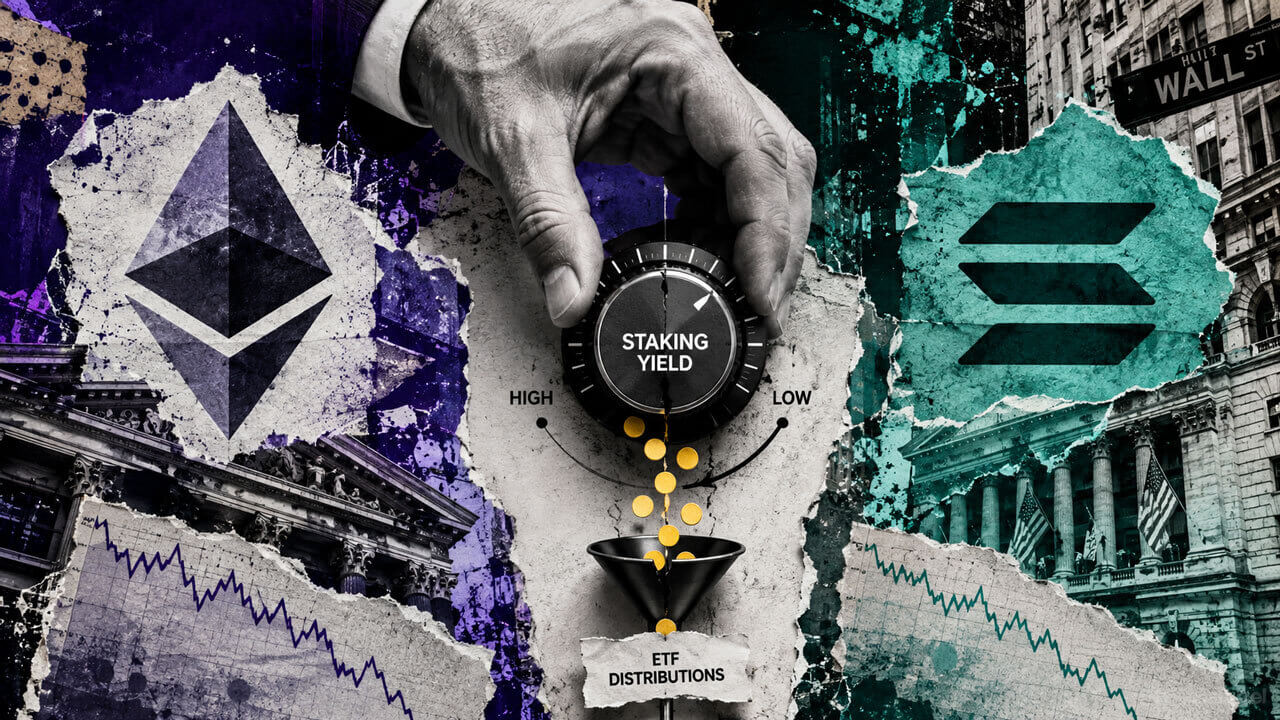
Wall Street finally turned staking into a dividend, now Ethereum and Solana want to shrink it
Grayscale's July 17 SEC filings said its Ethereum and Solana staking ETFs would convert staking rewards to cash and distribute the...
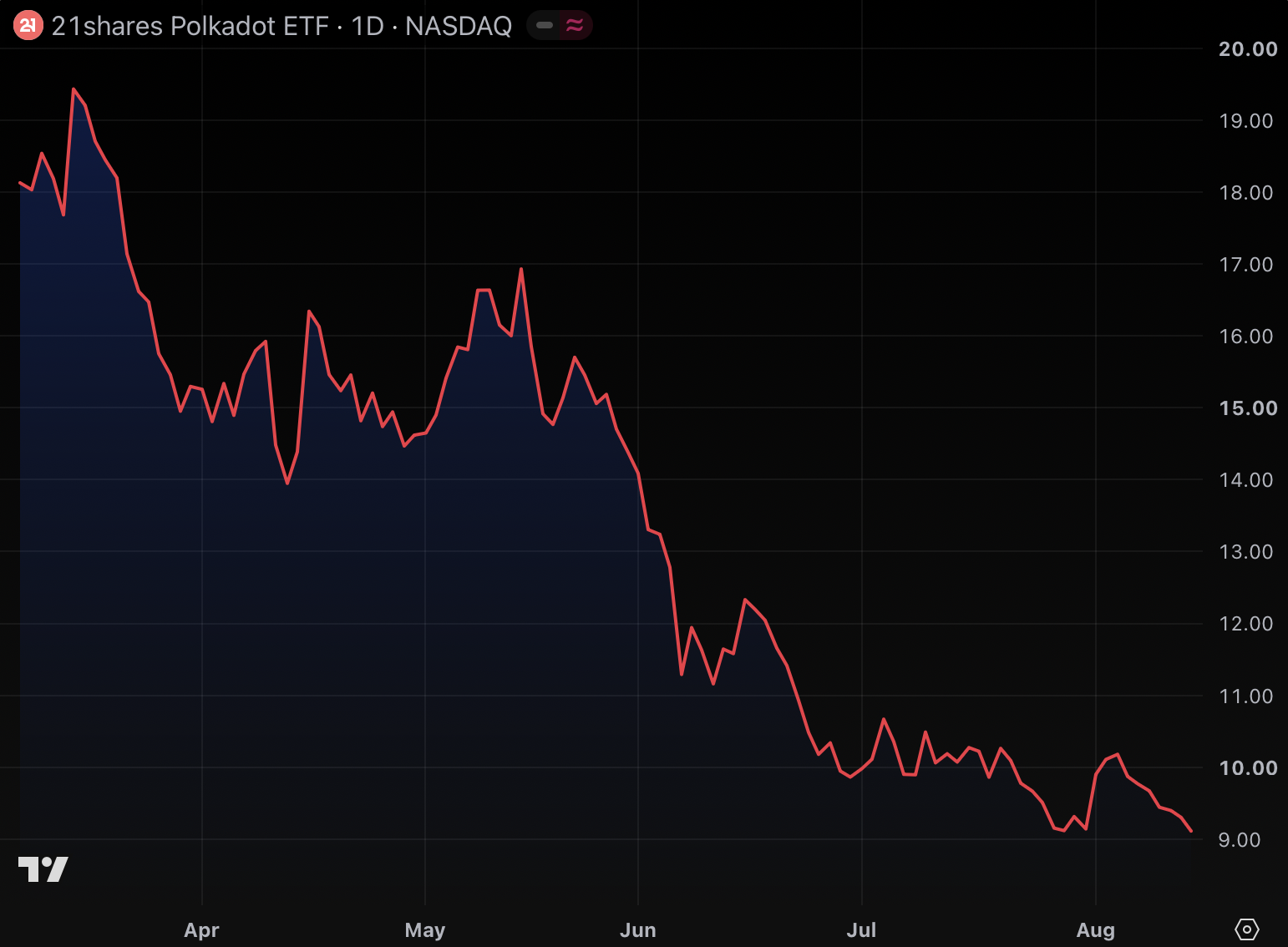
Polkadot ETF realized $4.52 of loss per $1 in staking rewards
On Friday, the 21Shares Polkadot ETF (TDOT) reported that it realized $4.52 of loss per share by selling Polkadot (DOT) tokens to...

First Published MiCA Case Sees Bitpanda Fined EUR 70,000 in Austria
Austria's Financial Market Authority (FMA) fined Bitpanda GmbH EUR 70,000 (about $81,000) for several breaches of the Markets in C...
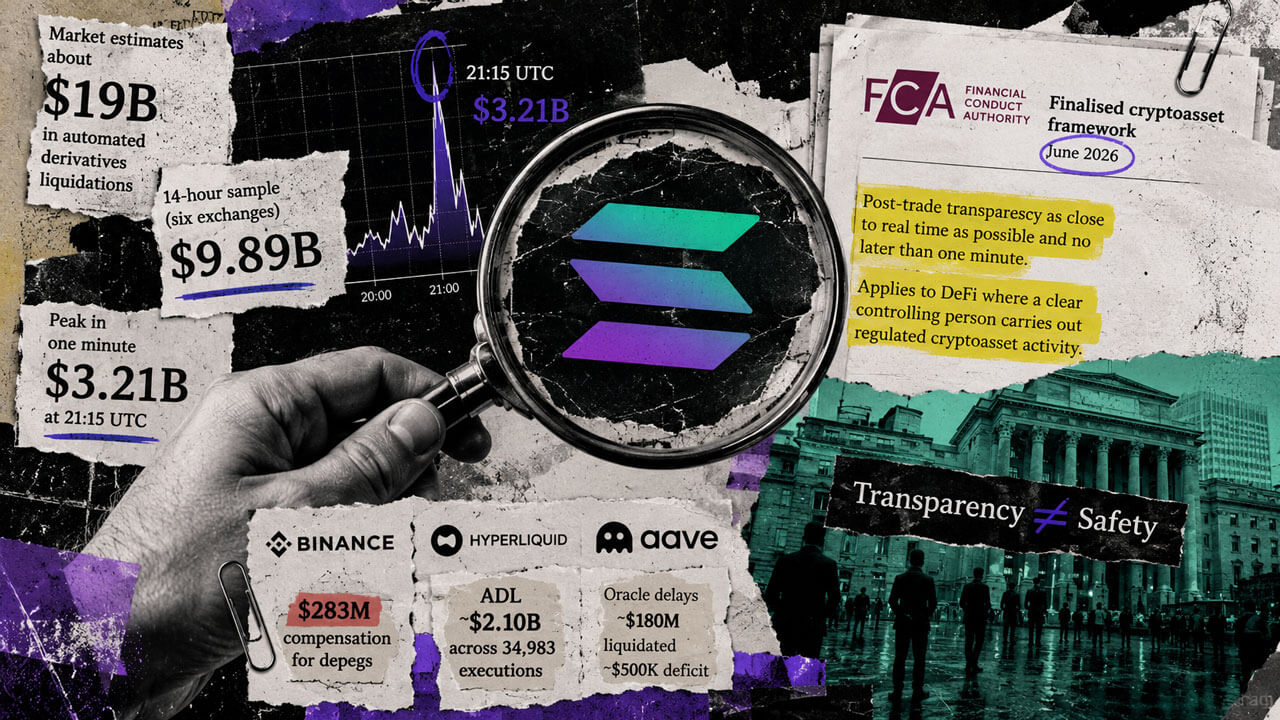
Crypto crash liquidations face massive data gap as public records contradict $18B Solana claim
Solana Research Institute, a Solana-aligned research group, used an Aug. 14 post to revive a July open letter by Angus Scott to th...

Trump Media pivots away from Bitcoin after $360M in digital asset losses
Trump Media's crypto losses highlight the risks of volatile digital assets, prompting a strategic shift towards stabilizing core b...

Solana treasury firm cuts shares 700-for-1 but leaves room for nearly 100 billion more
Solana treasury company SOLAI Limited (formerly BIT Mining) said shareholders approved a capital reset that leaves it with 100 bil...