Tether Under Pressure as General Counsel Resigns, Market Cap Declines, and XRP Surpasses USDT
Recent leadership changes and the enactment of the European Union’s Markets in Crypto Assets Regulation (MiCA) have heightened questions surrounding the company’s stability. Tether’s challenges are compounded by rival cr...
Archive context
Older archive item. Useful for background and entity history, but not a fresh market-moving signal.

Recent leadership changes and the enactment of the European Union’s Markets in Crypto Assets Regulation (MiCA) have heightened questions surrounding the company’s stability. Tether’s challenges are compounded by rival cryptocurrencies gaining ground, with Ripple’s XRP recently overtaking USDT in market capitalization. In addition, price predictions for XRP in 2025 are growing in value, as Ripple’s own RLUSD stablecoin launches in competition with Tether,
General Counsel Departs Amid Legal Transitions
Stuart Hoegner, Tether’s longstanding general counsel, stepped down from his role after serving both Tether and its sister firm Bitfinex for nearly a decade. He also changed his X profile to reflect the same. Professionals close to the matter say Hoegner’s leadership was instrumental in navigating complex regulatory challenges, from early stablecoin compliance efforts to high-profile inquiries.
Source: X
Tether confirmed that Michael Hilliard, who previously co-led legal operations alongside Hoegner, will succeed him as the new general counsel, taking charge in a period marked by heightened scrutiny of stablecoin issuers.
Hoegner’s retirement follows other executive shifts at Tether. Last year, the company parted ways with its CEO, while it also saw changes in compliance leadership, including the departure of its Chief Compliance Officer. According to senior figures familiar with the developments, Tether aims to strengthen its legal and compliance teams to address ongoing regulatory demands in Europe and elsewhere.
MiCA Sparks European Uncertainty
Tether’s internal upheavals coincide with the onset of the EU’s MiCA regulations, which took effect on December 30. MiCA sets tighter rules for stablecoin issuers, including requirements to hold an Electronic Money Institution (EMI) license, maintain sufficient liquid reserves for instant redemption, and keep at least 60% of reserves in low-risk EU-based banks. These standards aim to improve transparency and investor protection but pose questions about how Tether will adjust its operations to comply.
Several exchanges, including Coinbase Europe, have already delisted USDT for EU customers, citing compliance concerns. While Tether continues to operate on multiple blockchains and issues tokens on various networks, some market participants say the company faces an uphill battle to adapt to MiCA’s rigorous guidelines. Tether’s reluctance to publicly disclose certain specifics of its reserves has fueled ongoing debates about its readiness to meet these standards.
Market Cap Slide and Competition from XRPBefore MiCA took effect, USDT enjoyed a peak market capitalization exceeding $141 billion. However, it has dropped by around $1.6 billion in recent weeks, slipping to about $137 billion. This contraction marks the largest decline since late 2022. Observers attribute the drop not only to regulatory uncertainties but also to shifting trader preferences toward emerging stablecoins and the continued rise of competitor tokens.
In a pivotal development, Ripple’s XRP ledger token climbed above $138 billion in market capitalization, overtaking USDT for the third spot among cryptocurrencies. XRP’s ascent, buoyed by bullish momentum, underscores the pressure on Tether to reassure investors of USDT’s ability to weather heightened scrutiny. Industry analysts note that market cap reshuffles often reflect broader sentiment shifts, and Tether’s performance in Europe will likely continue to shape investor confidence.
Yield-Bearing Stablecoins and Broader Challenges
Beyond MiCA and XRP, Tether also faces growing competition from yield-bearing stablecoins and licensed alternatives such as Circle’s USD Coin (USDC), and Ripple’s RLUSD stablecoin. Circle, which has made strides in obtaining EU regulatory approval, could attract users seeking compliance assurances and potential yield opportunities. Some platforms have expanded yield-bearing products for stablecoins, making the choice between USDT and its rivals increasingly stark.
Additionally, questions linger over Tether’s reserve structure. While the company periodically publishes reserve attestations, professionals point out that ongoing skepticism in parts of the crypto community signals a persistent demand for greater transparency. This skepticism has intensified as Tether explores new markets and products, drawing more regulatory attention at home and abroad.
In the wake of its general counsel’s resignation, Tether finds itself at a crossroads as it contends with executive turnover, competition from alternative stablecoins, and the weight of new EU regulations. Hilliard is expected to guide the company through its legal transformation, but the broader landscape remains challenging. How Tether adapts to MiCA requirements, addresses liquidity questions, and sustains investor trust will likely determine its long-term status in the rapidly evolving cryptocurrency arena.
For now, USDT retains its status as a cornerstone of digital asset trading, but recent developments suggest it will have to work harder to solidify its position.
Why this matters
This altcoin story adds another data point to the current market tape and is useful when read alongside nearby source coverage.
Original source
Read on Brave New CoinRelated market context

US enacts GENIUS Act, setting stablecoin regulatory framework
The GENIUS Act's regulatory clarity may boost U.S. crypto innovation and institutional adoption, impacting global digital asset ma...

How a Bitcoin Treasury company sold 600 BTC to cut debt but still ended up with $60 million due in December
Nakamoto, the parent company of Bitcoin Magazine, faces a near-term balance-sheet test at year-end, when 60 million USDT of a Bitc...
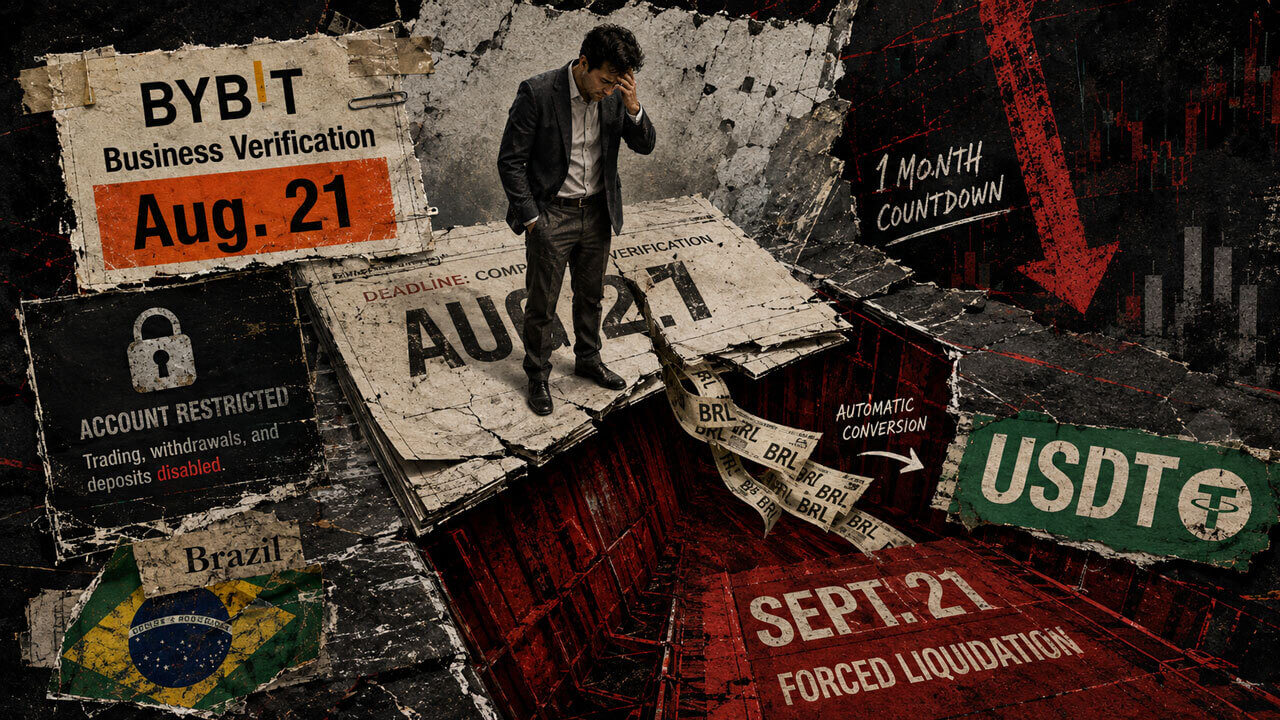
Forced liquidations begin in 30 days for business crypto accounts missing new verification rules on Bybit
Bybit has given some Brazilian business users until Aug. 21 to complete additional verification. Accounts that miss a requested up...

Aerodrome Slipstream leads euro stablecoin trading with nearly $10B in monthly volume
Aerodrome's dominance in euro stablecoin trading highlights the growing importance of regulatory compliance and concentrated liqui...

US Treasury Asks For Public Input on Landmark Genius Act Crypto Legislation
Bitcoin Magazine US Treasury Asks For Public Input on Landmark Genius Act Crypto Legislation The U.S. Department of the Treasury i...

CLARITY Act faces Senate vote as banks oppose stablecoin rewards
The Senate vote on the CLARITY Act could reshape the crypto landscape, influencing regulatory approaches and market dynamics for s...