4 reasons why Bitcoin price could rally to $90K in April
Key points: Monetary stimulus in China and Europe increases investors’ focus on Bitcoin price.The US Federal Reserve is under political pressure to cut rates, as the DXY weakens.Bitcoin’s decoupling from traditional mark...
Archive context
Older archive item. Useful for background and entity history, but not a fresh market-moving signal.
Key points:
Monetary stimulus in China and Europe increases investors’ focus on Bitcoin price.
The US Federal Reserve is under political pressure to cut rates, as the DXY weakens.
Bitcoin’s decoupling from traditional markets continues to gain attention.
Bitcoin (BTC) traders are somewhat puzzled by BTC price jumping to $85,000, especially since the S&P 500 index has dropped 5.7% in April, and this move came after the cryptocurrency managed a 14% rebound off its trade-war induced crash to $74,400. Investors are cautiously optimistic, but multiple events and data points to further gains above $90,000.
Several metrics and events support a “decoupling,” meaning Bitcoin’s price is not closely following traditional financial instruments. However, some skepticism emerges as BTC has not matched gold’s performance. Gold reached an all-time high of $3,358 on April 16, leading to speculation that governments and central banks are increasing their gold reserves.
Global stimulus rises as US economy shows early weaknessAs central banks respond to the threat of an economic recession, the chances of an increase in monetary supply are rising. While the US Federal Reserve (Fed) has held off on lowering interest rates or expanding its balance sheet, other nations have already taken such steps. This puts more pressure on the US economy, which is starting to show signs of weakness.
US Federal Reserve total assets, USD million. Source: St Louis FedIn China, new bank loans in March rebounded more than expected to $500 billion, over 20% higher than analysts had predicted and a strong recovery from the previous month’s decline. According to Reuters, the PBOC has promised to increase stimulus measures to reduce the impact of the trade war with the United States.
On April 17, the European Central Bank cut interest rates for the seventh time in a year to support the eurozone economy. The ECB has lowered the cost of capital to its lowest level since late 2022. Several investment banks have also reduced their inflation forecasts for the region, as the tariff war could reduce the region’s gross domestic product by 0.5%, according to Reuters.
Weaker US dollar and Bitcoin miners’ long-term commitmentFurther adding pressure on the US Federal Reserve to end its restrictive monetary policy is the weakening of the US dollar compared to major global currencies, as the DXY Index has dropped to its lowest level in three years. A weaker dollar usually helps exports, which can be positive for the current account balance, but this is unlikely to last during a trade war.
US Dollar Index (DXY). Source: TradingView / CointelegraphInvestor confidence has also been hurt by US President Donald Trump’s public criticism of Fed Chair Jerome Powell’s administration. This situation makes it harder for the US Treasury to rely on issuing Treasurys to stay afloat, which further weakens the US dollar. President Trump even said that Powell’s removal “cannot come fast enough,” while also calling for lower interest rates.
However, when looking at the current macroeconomic data, there is little reason to support a more relaxed monetary policy from the US Fed, especially after the latest US jobless claims reported on April 17. Initial claims fell by 9,000 to 215,000 in the week ending April 12, according to the US Labor Department. Powell repeated on April 16 that the labor market is in a “solid condition,” according to Reuters.
Related: When gold price hits new highs, history shows ‘Bitcoin follows’ within 150 days — Analyst
Bitcoin 7-day average estimated hashrate. Source: Blockchain.comBitcoin miners have also shown a strong long-term commitment, as the hashrate increased by 8% compared to the previous month. Since the Bitcoin halving in April 2024, traders were worried that lower profits would cause many miners to leave, possibly leading to a sell-off, since miners reportedly hold almost 1.8 million BTC, according to Glassnode.
This article is for general information purposes and is not intended to be and should not be taken as legal or investment advice. The views, thoughts, and opinions expressed here are the author’s alone and do not necessarily reflect or represent the views and opinions of Cointelegraph.
Why this matters
This bitcoin story adds another data point to the current market tape and is useful when read alongside nearby source coverage.
Original source
Read on CointelegraphRelated market context

Fed October Decision Polymarket Odds: October Rate Hike Sits at 64%
Bitcoin and the wider cryptocurrency market are facing a renewed macroeconomic headwind as traders increasingly anticipate another...
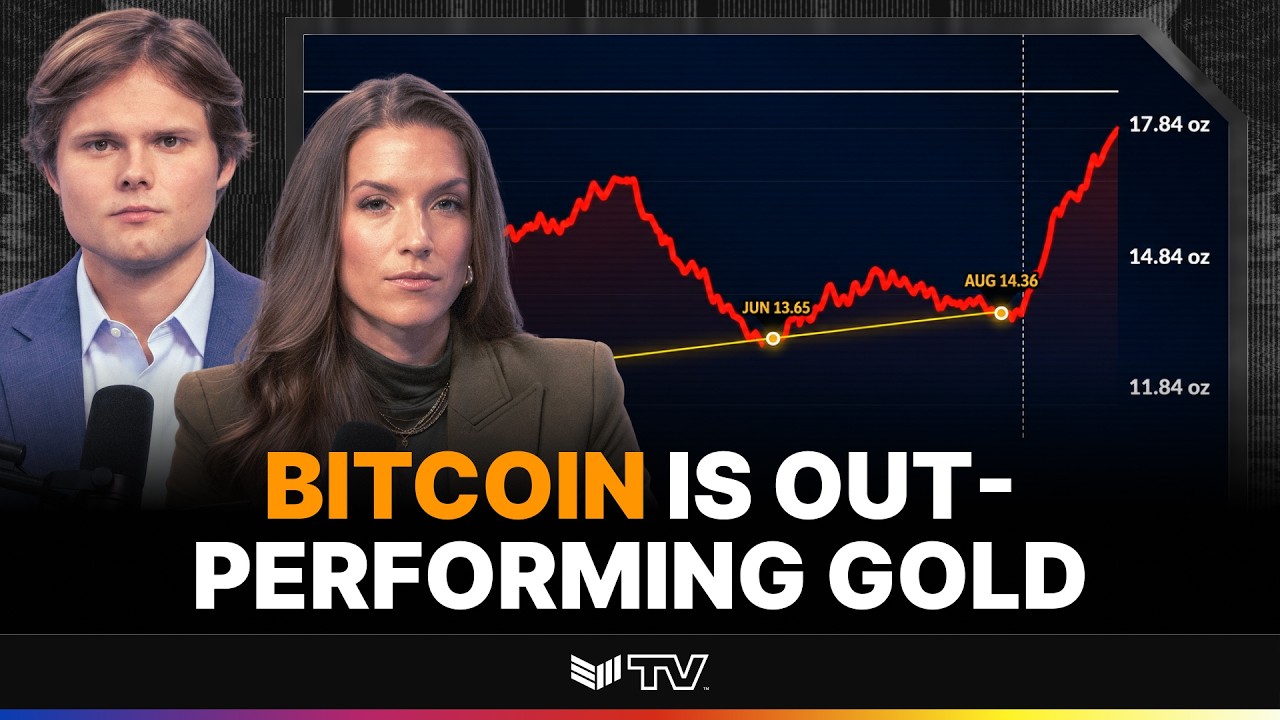
TECHNICAL ANALYSIS: BTC to Cross Key Price Level Against Gold
Bitcoin Magazine TECHNICAL ANALYSIS: BTC to Cross Key Price Level Against Gold The 90-day correlation between Bitcoin and gold jus...

Bitcoin ETFs Extend Winning Streak With Nearly $3B in Inflows
Bitcoin Magazine Bitcoin ETFs Extend Winning Streak With Nearly $3B in Inflows Bitcoin exchange-traded funds are on a winning stre...

Ethena Starts Backing USDe With Tokenized Stocks on Binance, Its First Equity Basis Venue
Ethena Labs will start backing its USDe synthetic dollar with tokenized U.S. stocks, naming Binance as the first venue for extendi...

Bitcoin Falls Back Below $85K As Treasury Yields Jump Above 5%
TL;DR Bitcoin fell below $85,000 after stronger U.S. business data pushed Treasury yields higher. S&P Global’s flash U.S. Composit...
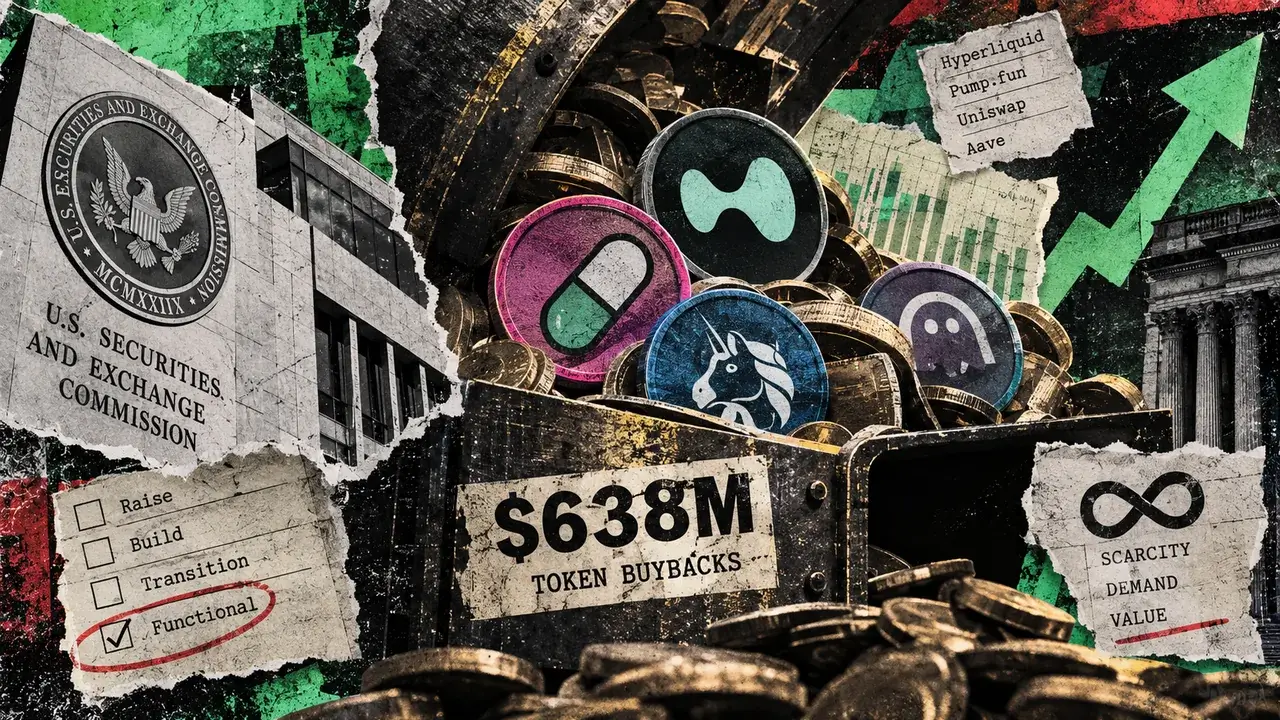
SEC clears regulatory hurdle as crypto token buybacks hit record $638 million
Crypto projects spent about $638 million with token buybacks through late August 2026, according to Allium Labs data. That is alre...