Analyst: Bitcoin’s Cycle Is Intact, Yet No Longer Purely Market-Driven
According to Markus Thielen, head of research at 10x Research, Bitcoin’s familiar four-year cycle still exists, but what drives that rhythm has changed. He told listeners on The Wolf Of All Streets Podcast that the calen...
Archive context
Older archive item. Useful for background and entity history, but not a fresh market-moving signal.

According to Markus Thielen, head of research at 10x Research, Bitcoin’s familiar four-year cycle still exists, but what drives that rhythm has changed. He told listeners on The Wolf Of All Streets Podcast that the calendar timing of halvings is no longer the main force. Instead, election timing, central bank moves and where money flows now matter more.
Shift From Halving To Politics And LiquidityThielen highlighted that Bitcoin’s major peaks in 2013, 2017, and 2021 all happened in the fourth quarter, and he believes these highs match up more closely with election cycles and political uncertainty than with the timing of the halvings.
According to him, there is added market worry about whether the sitting president’s party will keep control of Congress. He said that could shape policy and investor choices, and he mentioned US President Donald Trump when discussing current political odds. The message was clear: politics changes expectations, and expectations move prices.
The four-year cycle is still intact, but it’s driven by midterm elections, not the halving.@markus10x pic.twitter.com/5td8bLgb20
— The Wolf Of All Streets (@scottmelker) December 13, 2025
Liquidity And Institutional CautionThe recent Fed rate cut did not spark the usual broad rally in risk assets. Institutional investors, who now have a larger role in crypto markets, are acting more guardedly as policy signals remain mixed and liquidity looks tighter.
Capital inflows into Bitcoin have slowed compared with last year, Thielen said, removing some of the buying pressure that helped push prices higher before. Arthur Hayes, the BitMEX co-founder, made a similar point in October, saying that global liquidity, not an automatic four-year clock, has always driven the main moves in cryptocurrency. According to Hayes, halvings may line up with rallies sometimes, but they are often coincidental.
Bitcoin slipped below $90,000 in thin Sunday trading, a sign of fragile demand when volumes are low. Ether showed relative strength while major altcoins lagged. Traders are positioning ahead of a busy week of US data and central bank events, putting premium on signals that affect liquidity and risk appetite. With institutional desks watching macro reads closely, momentum is likely to depend on flows rather than calendar dates.
What This Means For InvestorsThe clearest takeaway is simple. The four-year pattern can still help frame expectations, but it should not be treated as a rule. Halvings affect supply and miner economics, and they matter to some market actors, but in a market shaped by large funds and ETFs the real fuel is cash and credit conditions.
When liquidity loosens, prices can run. When it tightens, rallies can end. That lesson sits at the center of both Thielen’s and Hayes’s views.
Policy and liquidity are now central to Bitcoin’s cycles. Reports indicate that the pattern has shifted from a purely mechanical schedule to one influenced by broader money conditions and political timelines. Market participants appear to be responding to economic news and central bank signals alongside the block reward schedule.
Featured image from Unsplash, chart from TradingView
Why this matters
This bitcoin story adds another data point to the current market tape and is useful when read alongside nearby source coverage.
Original source
Read on NewsBTCRelated market context

Argentina central bank director rules out crypto progress this year
Argentina's crypto ban may drive users to decentralized platforms, highlighting the tension between regulatory caution and market...
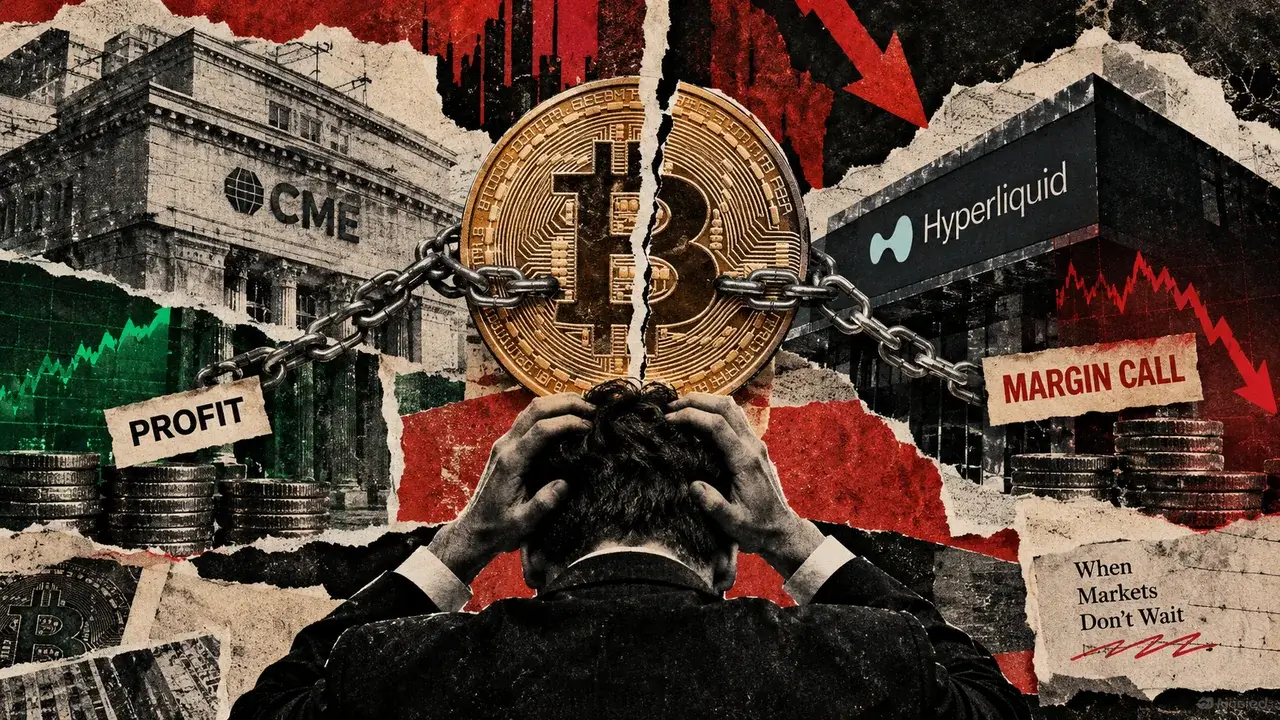
Bitcoin hedge funds face a liquidation trap when their collateral is split across markets
Here's a hypothetical situation: a hedge fund is making money, but one of its exchanges is about to liquidate its position anyway....

What happens when crypto trades stocks while Wall Street sleeps?
Wall Street closes at 4 p.m., but apparently that's becoming more of a suggestion than a rule. You can now spend the evening watch...

Standard Chartered brings Ripple’s RLUSD into banking custody after $765 million quarterly surge
Standard Chartered has launched custody for Ripple's RLUSD stablecoin as it prepares to expand its use as collateral for instituti...

South Korean Lender Jeonbuk Bank to Offer Bitcoin-Backed Loans
Bitcoin Magazine South Korean Lender Jeonbuk Bank to Offer Bitcoin-Backed Loans Jeonbuk Bank has become the first bank in South Ko...

FTX’s former Bitcoin mining bet gets new life as parent raises €800 million for AI
SWI Group has raised €800 million to expand AI infrastructure, advancing its plan to repurpose FTX-backed Bitcoin miner Genesis Di...