Are Higher Education Institutions Starting To Embrace Bitcoin?
Professor Korok Ray explains how higher education is starting to embrace Bitcoin as an important subject to be teaching in the classroom.This is a transcribed excerpt of the “Bitcoin Magazine Podcast,” hosted by P and Q....
Archive context
Older archive item. Useful for background and entity history, but not a fresh market-moving signal.

Professor Korok Ray explains how higher education is starting to embrace Bitcoin as an important subject to be teaching in the classroom.
This is a transcribed excerpt of the “Bitcoin Magazine Podcast,” hosted by P and Q. In this episode, they are joined by Korok Ray to talk about Bitcoin being integrated into curriculum at the university level.
Watch This Episode On YouTube Or Rumble
Listen To The Episode Here:
Q: Bitcoin doesn't always have the most positive sentiment around it. There are some very passionate people who feel strongly against Bitcoin, especially those in academia. I'm curious what conversations are like with some of your colleagues who may not necessarily see Bitcoin in the same way that you see it.
Korok Ray: Yeah. I faced a lot of these conversations when I tried to run my conference. So, I will say, first among the universe of universities, Texas A & M would probably give Bitcoin as fair a shake as any university. There are other universities that are, I would say, actively hostile.
My campus and my colleagues were more neutral. They were like, “Why Bitcoin, why not some other coin? Who cares really? Why should we go out and have a conference about this brand new technology? Why don't we just sit back and wait and let the market see if this has any value?” That was more of my experience from my colleagues here. They were a little less reluctant to plant a flag and take a position on Bitcoin specifically, or even crypto. Some of them were saying the entire crypto space is too speculative. “We're universities. We want to be a little bit more slow and deliberate and backward-looking.”
Personally, I think that's a mistake. I think universities have to be forward-looking and we have to take a position and we have to speak from a place of conviction. We have to figure out what we believe, have a debate about that and then we can explore different ideas based on those beliefs. Today, a lot of what's happening in universities is that it's not really a place for free speech anymore. If you've got a different set of beliefs than then you can suffer from that, internally.
I think what happens in the academic community, specifically among economists, very generally, are pretty agnostic. I would say it’s ranging from hostile, at worst, to agnostic about Bitcoin. I think a lot of this, they just don't really understand it and they're not willing to address and understand it for what it is.
I don't think it's an accident for me to say that no economist could have made Bitcoin. Our training in the economics field, we just don't have the skills or the knowledge to be able to actually take an idea and implement it in a real way.
Economists are great at commenting on things that have happened in the past, or trying to offer some vague predictions about the future, where they don't have any skin in the game. That's basically what economists do, both academic and professional economists. Some of my colleagues around the U.S. (when I was trying to get them to come speak at my conference and address Bitcoin) the best of them would say, “I don't know enough about it, so I'm not gonna speak.”
So that was like the best. Then the worst answers would be things like, “Whoa, I dunno if I believe Bitcoin, but I believe blockchain technology could be good.” You would get some nonsense answers like that. I think ultimately it's because of the academic community, like I said earlier, they're not structured to be able to understand Bitcoin and you have to be a little bit of a misfit, as I've become, to be able to truly address what Bitcoin is intellectually in an honest way because you have to be able to abandon exclusively relying on your own discipline and embrace multiple disciplines at once and try to see how they fit together, which is what I think Bitcoin does in a beautiful and amazing way.
I think it's still an ongoing battle. The battle that I plan to fight in my career in my life is to help educate others about Bitcoin and what it is and how it works. I think we have the right ideas on our side and over time we can convince the academic community that this is worthwhile and this is worth studying and this is worth understanding.
Why this matters
This bitcoin story adds another data point to the current market tape and is useful when read alongside nearby source coverage.
Original source
Read on Bitcoin MagazineRelated market context

Tokenized Deposits vs. Stablecoins: What JPM Coin and USDC Holders Own
USDC holders can transfer tokens without a Circle Mint account, but direct dollar redemption requires one. JPM Coin limits partici...
Solayer Pay Adds Five Blockchain Networks For Direct Stablecoin Card Deposits
TL;DR: Solayer Pay says its card app now accepts supported stablecoin deposits from Solana, Ethereum, Arbitrum, BNB Chain and Base...
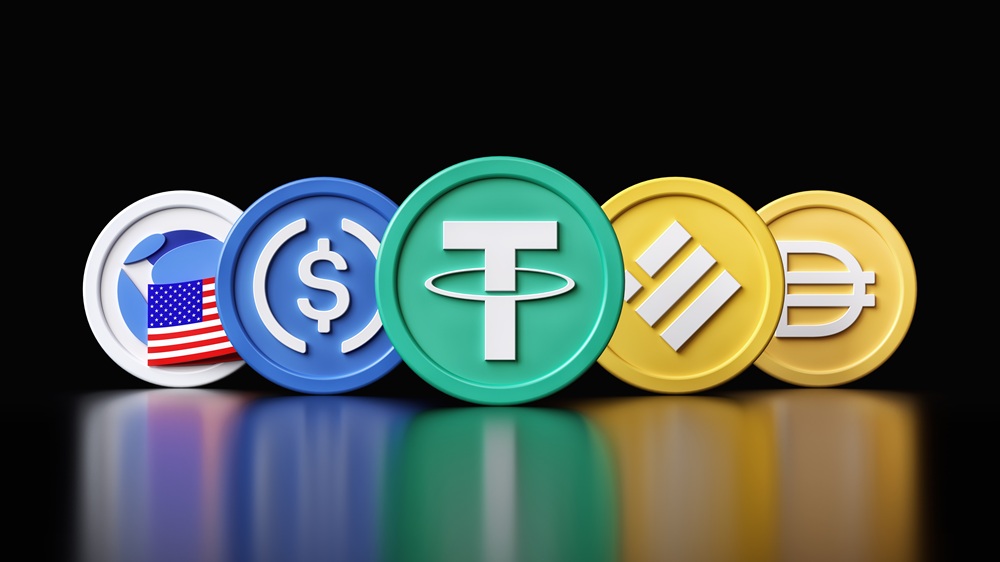
Bank Lobby Presses OCC For Clarity On Stablecoin Rewards After Final Rule
A final stablecoin rule has not ended the argument over rewards. The Bank Policy Institute used its October 24 newsletter to renew...
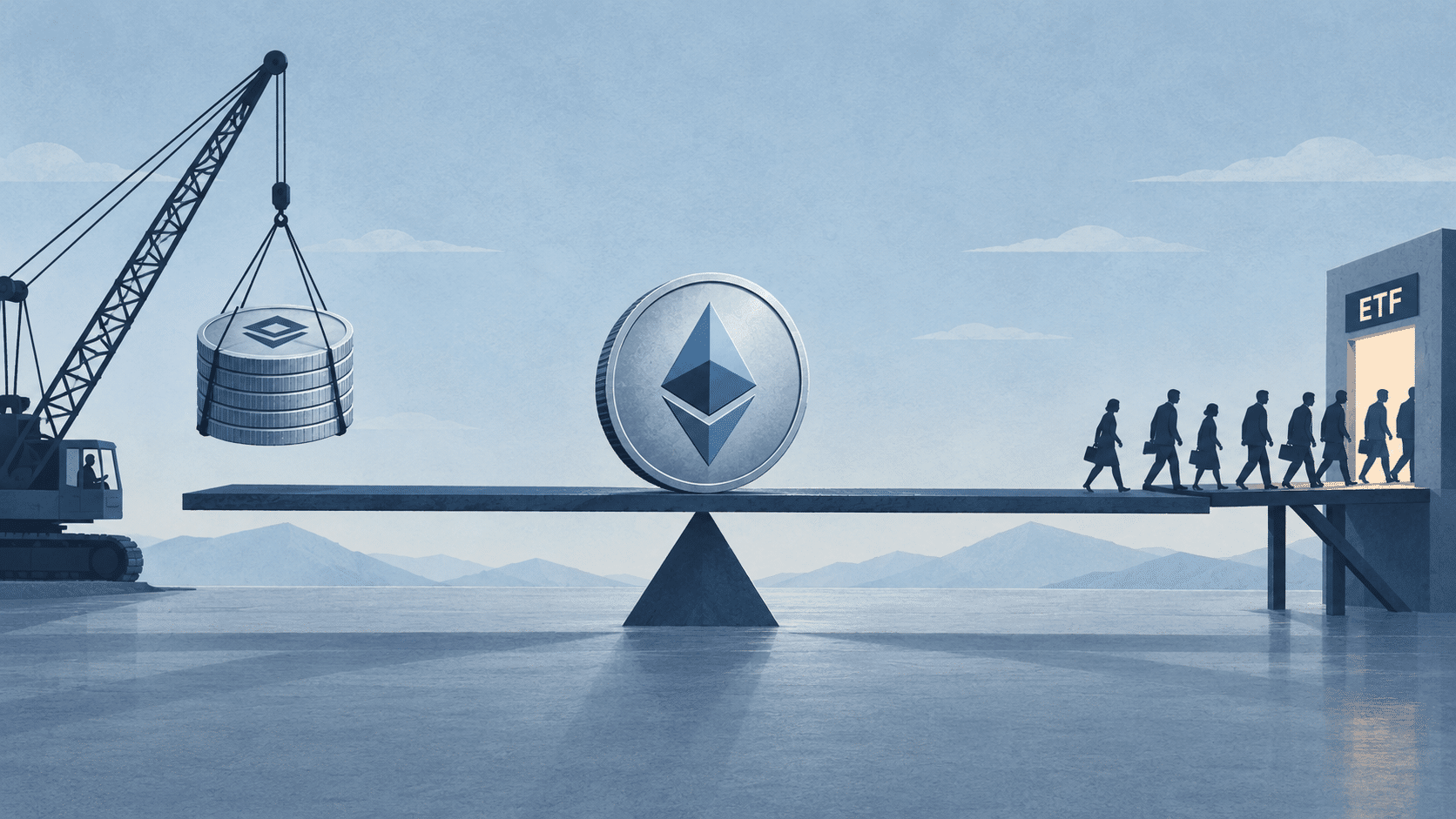
Ether ETFs Are Having Their Worst Month of 2026. Who Buys Once Bitmine Stops?
Ether’s (ETH) demand this year has largely come from two places: spot exchange-traded funds (ETFs) and Bitmine Immersion Technolog...

Solana adds $22M in euro stablecoins in one week, outpacing every other chain
Solana's rapid euro stablecoin growth highlights its rising influence in the crypto market, potentially challenging Ethereum's dom...
Ducat brings its UNIT stablecoin to Cashu ecash as Turbo UNIT
Turbo UNIT's integration into Cashu ecash enhances privacy and efficiency in stablecoin transactions, impacting Bitcoin's financia...