Arizona governor vetoes bill to make Bitcoin part of state reserves
Arizona Governor Katie Hobbs has vetoed a bill that would have allowed the state to hold Bitcoin as part of its official reserves, effectively ending efforts to make Arizona the first US state to adopt such a policy.The...
Archive context
Older archive item. Useful for background and entity history, but not a fresh market-moving signal.

Arizona Governor Katie Hobbs has vetoed a bill that would have allowed the state to hold Bitcoin as part of its official reserves, effectively ending efforts to make Arizona the first US state to adopt such a policy.
The Digital Assets Strategic Reserve bill, which would have permitted Arizona to invest seized funds into Bitcoin (BTC) and create a reserve managed by state officials, was formally struck down on Friday, according to an update on the Arizona State Legislature’s website.
“Today, I vetoed Senate Bill 1025. The Arizona State Retirement System is one of the strongest in the nation because it makes sound and informed investments,” Hobbs wrote in a statement aimed at Warren Petersen, the President of the Arizona Senate.
“Arizonans’ retirement funds are not the place for the state to try untested investments like virtual currency,” she added.
On April 28, the bill passed a final vote in the state House when 31 members of the Arizona House voted in favor of the bill, with 25 opposing.
Hobbs had previously stated she would veto any legislation not tied to a bipartisan agreement on disability funding.
Source: Governor Katie HobbsRelated: Bitcoin bros at ‘the club’ may stop US gov’t from buying BTC — Arthur Hayes
Another Bitcoin awaits final voteA companion bill, SB1373, which would authorize the state treasurer to allocate up to 10% of Arizona’s rainy-day fund into digital assets like Bitcoin, has not yet reached a final vote.
Arizona joins several other states where similar efforts have failed. In recent months, similar proposals in Oklahoma, Montana, South Dakota and Wyoming have stalled or been withdrawn.
In contrast, North Carolina’s House passed the Digital Assets Investment Act on April 30, allowing the state treasurer to invest up to 5% of certain funds in approved cryptocurrencies. The bill has now been moved to the state Senate for consideration.
The state-level efforts to create Bitcoin reserves come amid a push from US President Donald Trump and Republican lawmakers to do the same in the federal government.
Trump signed an executive order in March with a proposal for a “Strategic Bitcoin Reserve” and a “Digital Asset Stockpile.”
Magazine: Crypto wanted to overthrow banks, and now it’s becoming them in stablecoin fight
Why this matters
This bitcoin story adds another data point to the current market tape and is useful when read alongside nearby source coverage.
Original source
Read on CointelegraphRelated market context
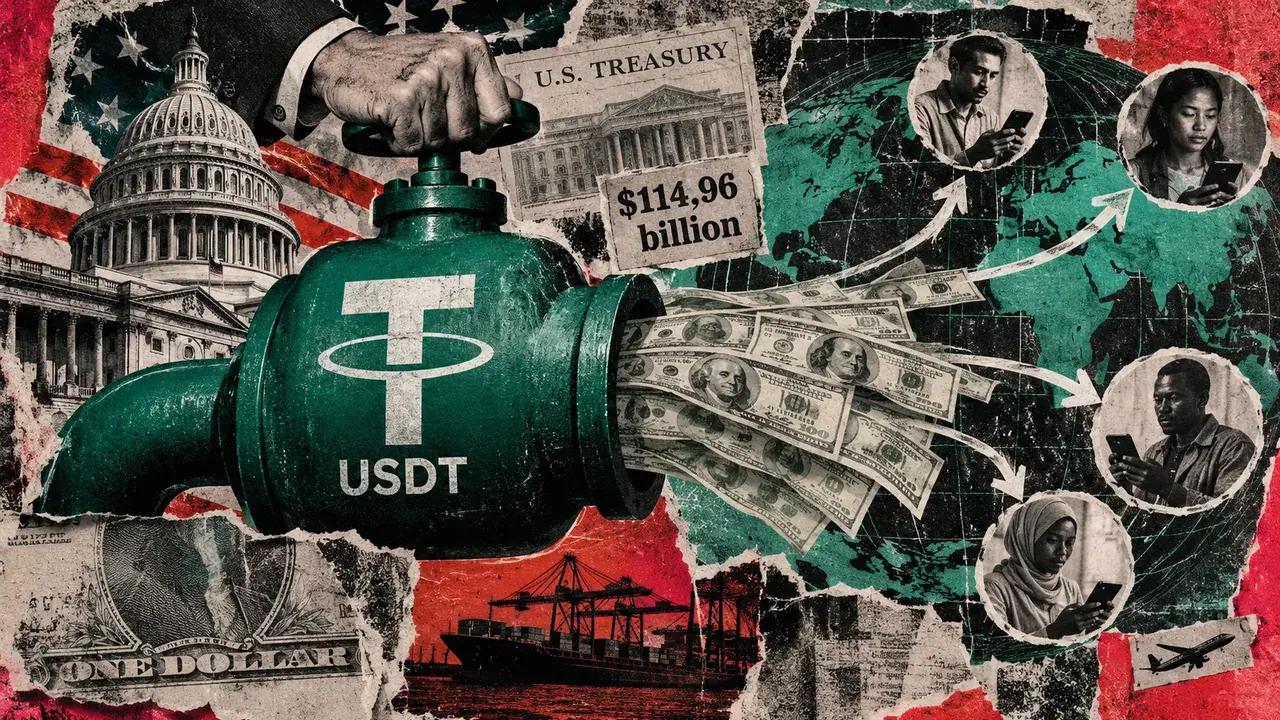
Washington has $114 billion reasons to want Tether around
Not that long ago, Washington fined Tether for misleading people about the dollars behind its tokens. Today, the company's insatia...
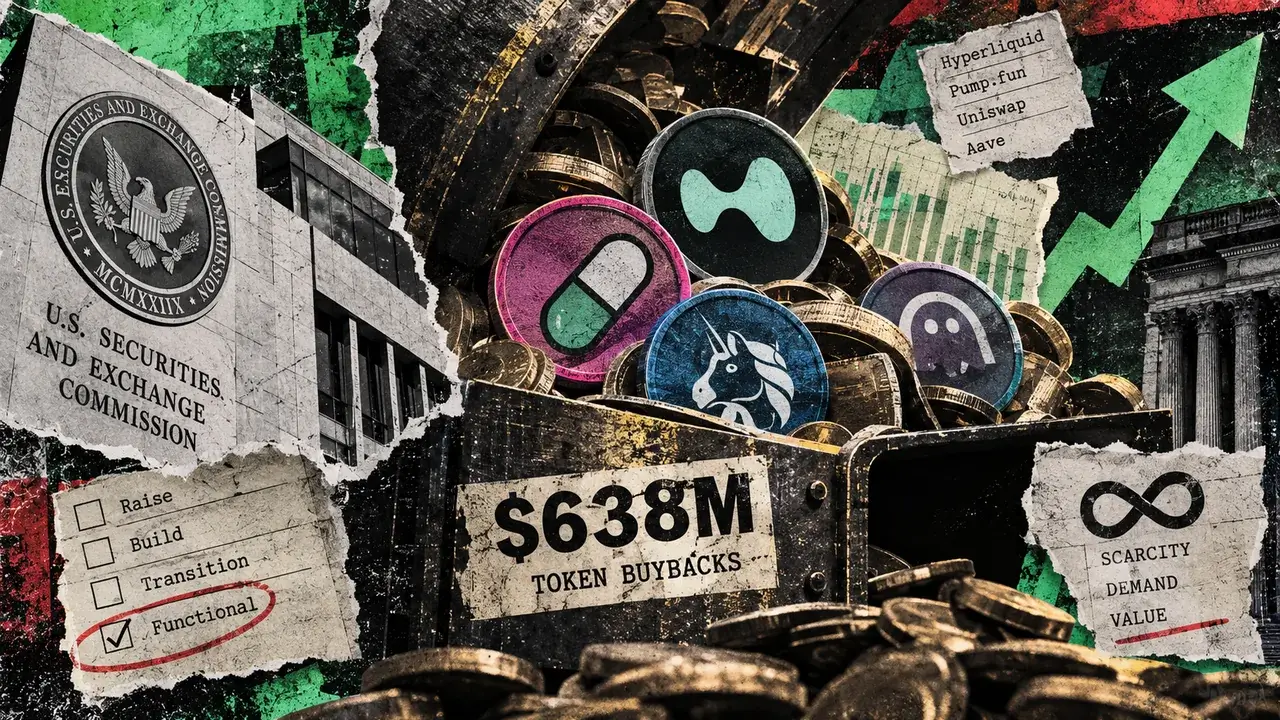
SEC clears regulatory hurdle as crypto token buybacks hit record $638 million
Crypto projects spent about $638 million with token buybacks through late August 2026, according to Allium Labs data. That is alre...
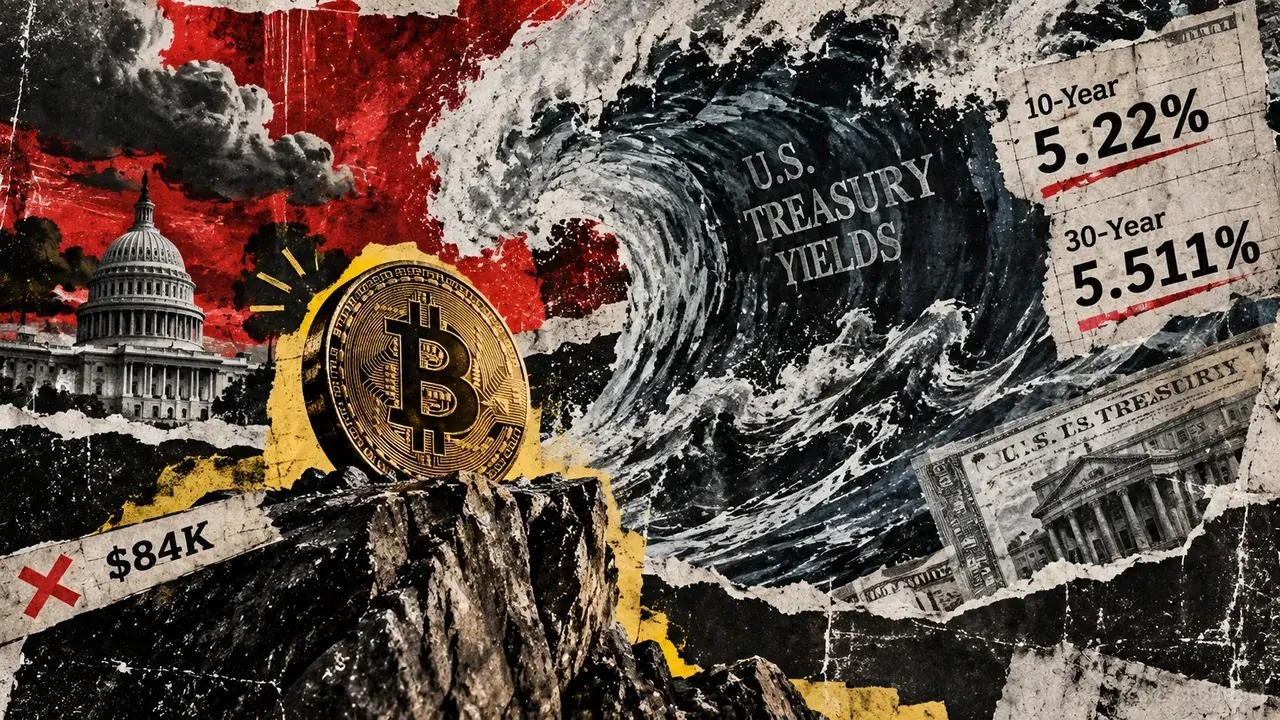
Bitcoin survives a 5.2% Treasury shock as traders slash $1.7 billion in leverage
Bitcoin is holding near $84,000 even as a historic US bond selloff pushes Treasury yields to decades-high levels. The benchmark 10...
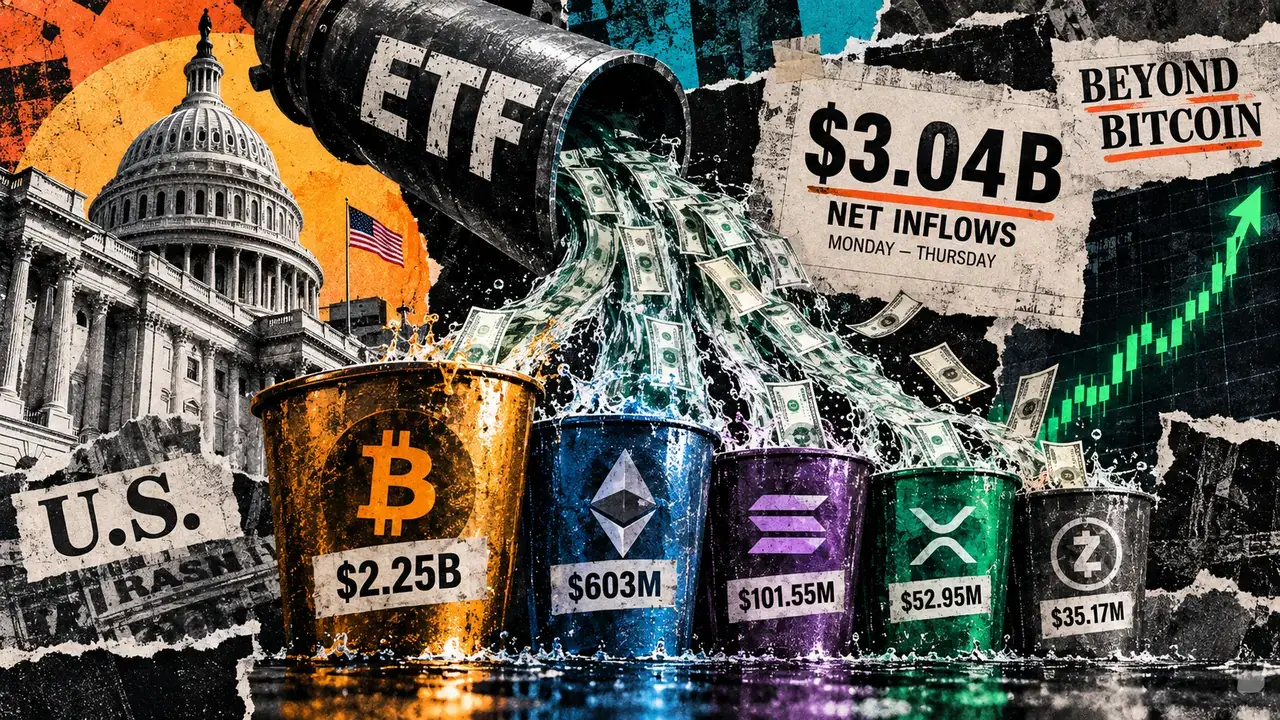
US crypto ETFs draw over $3 billion this week, with nearly $800 million flowing beyond Bitcoin
US crypto exchange-traded funds have pulled in more than $3 billion this week as fresh demand spread beyond Bitcoin into Ethereum...
Fed proposed stablecoin rule could trigger a 48-hour liquidation run
The Federal Reserve's proposed rules for the payment stablecoin issuers it supervises include a crisis clock measured in hours. An...
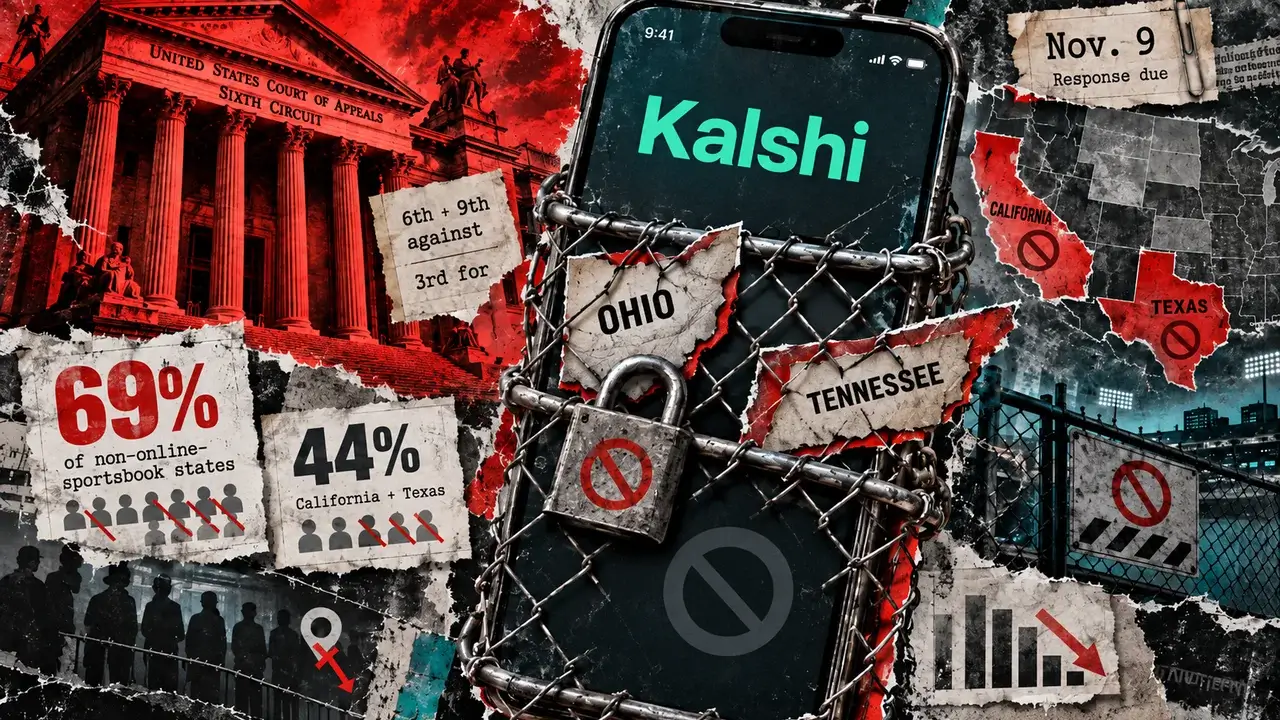
Kalshi must lock out state users after major court loss
The Sixth Circuit ruled Sept. 25 that Ohio and Tennessee can apply their gambling laws to Kalshi's sports contracts. The court rej...