Arizona Moves Closer to Crypto Milestone with Bitcoin Reserve Bills Approved by House
Key Takeaways: Arizona’s House of Representatives approved two bills proposing the creation of a state-managed Bitcoin reserve. SB1025 allows the treasurer to invest up to 10% of state funds in Bitcoin; SB1373 focuses on...
Archive context
Older archive item. Useful for background and entity history, but not a fresh market-moving signal.

Key Takeaways:
- Arizona’s House of Representatives approved two bills proposing the creation of a state-managed Bitcoin reserve.
- SB1025 allows the treasurer to invest up to 10% of state funds in Bitcoin; SB1373 focuses on a digital asset reserve from seized assets.
- Pending governor approval, Arizona is currently spearheading U.S. state-level initiatives to include cryptocurrencies into public financial management.
Arizona is in the news as the first U.S. state to approve laws clearing the way for a Strategic Bitcoin Reserve. Aimed at allowing the state to retain and control digital assets, including Bitcoin, as part of its more general financial plan, the Arizona House of Representatives passed two historic measures—SB1025 and SB1373—on April 28, 2025.
Read More: Landmark Bill Protecting Bitcoin Mining Rights Passes in Arizona
Arizona House Approves Bitcoin-Backed Reserve InitiativesA legislation letting the state treasurer put up to 10% of public money into Bitcoin and maybe other digital assets, Senate Bill 1025 (SB1025), was passed by the Arizona House 31–25. The bill specifies that a segregated account inside the Federal Reserve system must hold these assets. State Representative Jeff Weninger emphasized that this move mirrors initiatives considered by over a dozen other U.S. states.
In parallel, SB1373 received a 37–19 vote in favor. This bill proposes a broader digital asset reserve using funds seized during criminal investigations. Unlike SB1025, SB1373 permits the lending of crypto assets from the fund under low-risk conditions. This dual-approach legislation is positioning Arizona as a national leader in crypto adoption at the government level.
Legislative Strategy and Economic VisionSupporters of the legislation say a crypto reserve could prepare Arizona for a blockchain-based future, hedge against inflation, and diversify its financial portfolio. The attraction of Bitcoin lies in its decentralized character and limited supply, which provide stability in comparison to fiat currencies under inflation and government control.
The Arizona government wants to update state-level financial procedures and include developing technologies by allowing calculated investment in Bitcoin. The bills also provide a potential framework for other states evaluating how to incorporate cryptocurrency into public fund management.
Federal and State Crypto Strategies Begin to AlignArizona’s move comes at a time when similar conversations are taking place at the federal level. Former President Donald Trump recently signed an executive order proposing a national “Strategic Bitcoin Reserve” and a broader “Digital Asset Stockpile.” The initiative, supported by pro-crypto lawmakers, reflects growing interest in making digital assets part of the U.S. national reserve.
Wyoming Senator Cynthia Lummis sponsored legislation to authorize federal holdings of over 1 million BTC, partially from civil and criminal assets. Lummis’s bill codifies Trump’s executive order and supports Arizona’s state goals.
Arizona would be the first state to legalize a Bitcoin reserve, which might influence Texas, Wyoming, and New Hampshire.
Read More: Florida Takes Bold Step to Add Bitcoin to State Treasury Reserve
Political Uncertainty as Governor Signals Veto ThreatDespite these legislative victories, both bills face an uncertain fate on Governor Katie Hobbs’ desk. Hobbs has not specifically commented on the crypto reserve bills, but her stance places the legislation at risk.
With the highest veto rate among U.S. governors in 2024, Hobbs has already struck down 15 bills in recent weeks. Her potential veto could delay or derail Arizona’s plans to lead the nation in public-sector crypto adoption.
National Implications for Crypto PolicyArizona’s initiative is not only significant at the state level but could also influence broader policy discussions nationwide. As other state legislatures and the federal government weigh the utility of digital assets, Arizona’s legislative experiment will likely serve as a case study.
Proponents claim that institutional crypto adoption provides several advantages—from fiscal innovation to financial sovereignty. Critics, on the other hand, doubt the legal and technical infrastructure required to control cryptocurrencies properly as well as their volatility.
Should SB1025 and SB1373 be passed into law, they would signal a turning point for government-backed crypto projects in the United States by setting precedent for how states and agencies manage, invest in, and protect digital assets.
Looking Ahead: What Comes Next?The next key moment will be Governor Hobbs’ response. Her decision could either validate Arizona’s crypto leadership or pause the progress of what may become a model for public-sector crypto finance.
If passed, Arizona’s crypto reserve strategy would officially enter implementation, with guidelines for asset acquisition, custody, and risk management following shortly thereafter.
As the world watches, Arizona stands at the intersection of financial tradition and digital innovation.
The post Arizona Moves Closer to Crypto Milestone with Bitcoin Reserve Bills Approved by House appeared first on CryptoNinjas.
Why this matters
This bitcoin story adds another data point to the current market tape and is useful when read alongside nearby source coverage.
Original source
Read on CryptoNinjasRelated market context
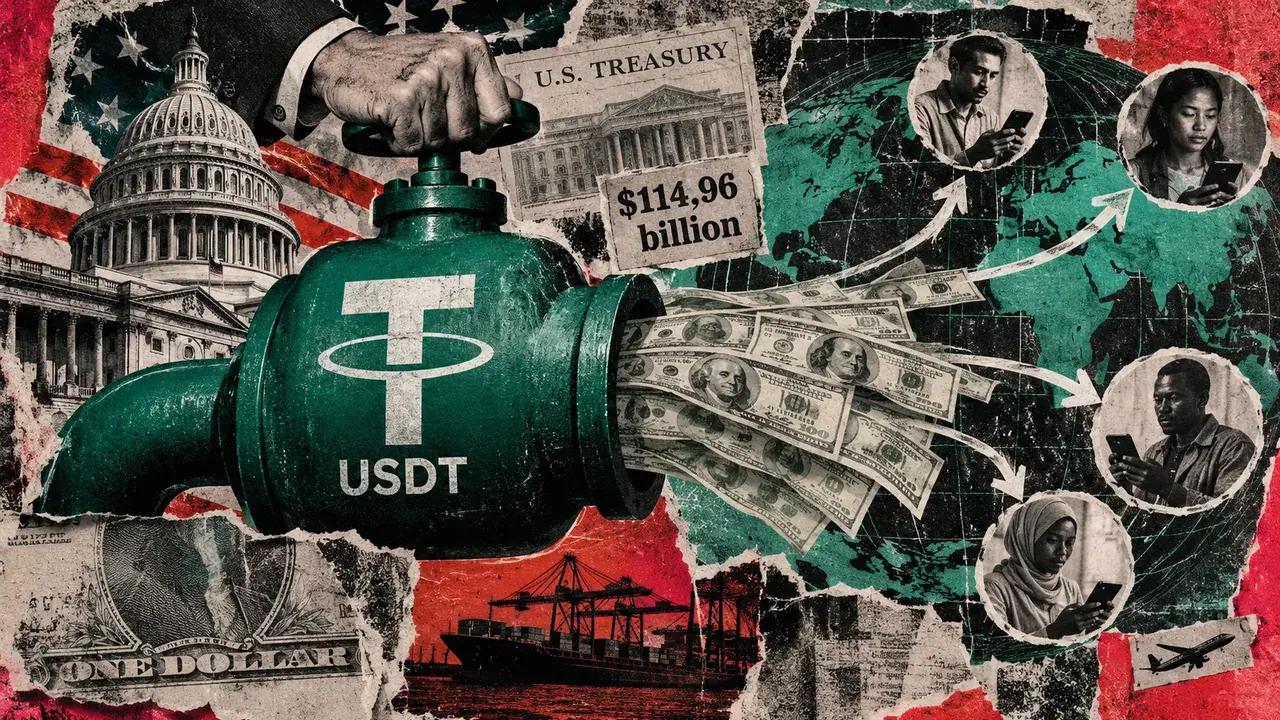
Washington has $114 billion reasons to want Tether around
Not that long ago, Washington fined Tether for misleading people about the dollars behind its tokens. Today, the company's insatia...
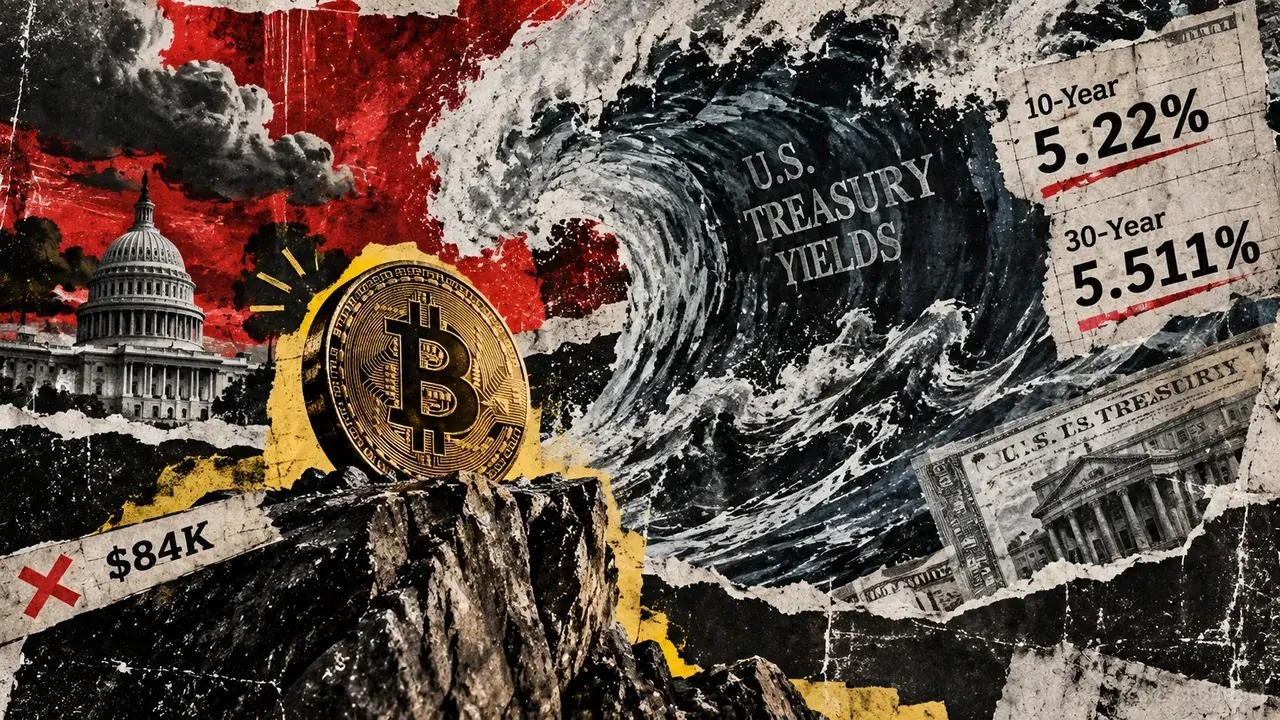
Bitcoin survives a 5.2% Treasury shock as traders slash $1.7 billion in leverage
Bitcoin is holding near $84,000 even as a historic US bond selloff pushes Treasury yields to decades-high levels. The benchmark 10...

Strategy’s Michael Saylor proposes bill of digital rights for future economy
Saylor's digital rights proposal could democratize capital access, fostering innovation and competition by reducing reliance on tr...

Ripple CEO Brad Garlinghouse Says XRP and Solana Can Both Thrive in Crypto’s Next 5 Years
Garlinghouse’s comments have resurfaced as XRP and Solana both trade near important technical levels following recent gains. “I’m...

The NFT party is over and everybody now owes storage rent
In 2021, Christie's sold a Beeple NFT for $69.35 million, and Sotheby's took another $24.40 million for 101 Bored Ape Yacht Club N...
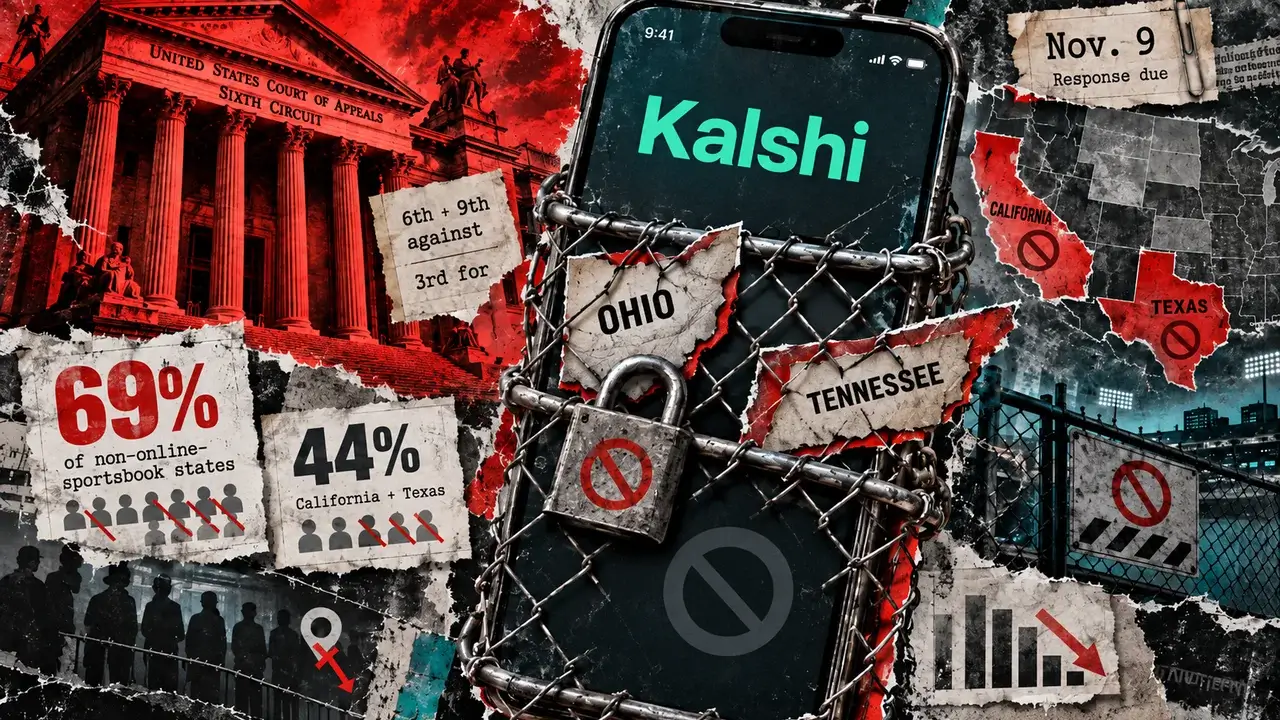
Kalshi must lock out state users after major court loss
The Sixth Circuit ruled Sept. 25 that Ohio and Tennessee can apply their gambling laws to Kalshi's sports contracts. The court rej...