Backpage Wins Mistrial in Prostitution and Bitcoin Money Laundering Case
Federal prosecutors have been taking former classifieds website Backpage to task over allegations of facilitating child sex trafficking, with one government witness testifying that sex work doesn't exist; only sexual exp...
Archive context
Older archive item. Useful for background and entity history, but not a fresh market-moving signal.

Federal prosecutors have been taking former classifieds website Backpage to task over allegations of facilitating child sex trafficking, with one government witness testifying that sex work doesn't exist; only sexual exploitation.
Only one problem: Backpage's founders aren't on trial for child sex trafficking—they're facing charges that their site facilitated prostitution across state lines and that they laundered money using Bitcoin after payment processors cut off the site.
The steady drumbeat of "child sex trafficking" messages was enough for U.S. District Court Judge Susan Brnovich to today grant the defense a mistrial. "The testimony elicited from the victims went beyond what it should have," she declared, adding that witness testimony had also colored the jury's thinking.
The site's founders, Michael Lacey and James Larkin, were indicted in 2018, along with five others, after Backpage CEO Carl Ferrer pled guilty to conspiracy to facilitate prostitution and launder money; he duly flipped on his former colleague. According to the indictment, Backpage raked in more than $500 million in "prostitution-related revenue" before it was seized by authorities and shut down.
As credit card companies stopped servicing the site due to its association with illegal activity, the government claims that it laundered funds by accepting checks and money orders under a different name, wiring Backpage earnings to foreign bank accounts and then back into defendants' accounts, and exchanging fiat for cryptocurrency.
In addition to cryptocurrency exchanges such as Coinbase and Kraken, one of the services they allegedly used to launder the funds was Crypto Capital, a Panama-based payment processor whose founder has been accused of bank fraud and running an unauthorized "shadow bank" for exchanges.
Crypto Capital accounts were seized in Backpage sex-trafficking bustThe indictment plays up purported sex trafficking, particularly of children, via the site's listings and advertisements, but Judge Brnovich warned the prosecutors to tone down such accusations in this regard.
They didn't. "I, at the beginning of this, gave the government some leeway, because child sex trafficking, sex trafficking, are forms of prostitution," she said, adding later: "The government has abused that leeway."
Why this matters
This bitcoin story adds another data point to the current market tape and is useful when read alongside nearby source coverage.
Original source
Read on DecryptRelated market context
New DeFi-yield generation targets ‘scam-like’ bank accounts that keep all the interest
Crypto native firms like Animoca Brands are betting AI-based agentic commerce to style every area of finance with the so-called “D...
Supreme Court Ends Custodia Bank’s Fight for a Fed Master Account, Leaving the Fed Free to Deny Crypto Banks Access
Bitcoin Magazine Supreme Court Ends Custodia Bank’s Fight for a Fed Master Account, Leaving the Fed Free to Deny Crypto Banks Acce...

Animoca’s Yat Siu calls checking accounts ‘almost scam-like’ and pitches DeFi instead
The shift towards DeFi could democratize financial returns, challenging traditional banking models and paving the way for AI-drive...
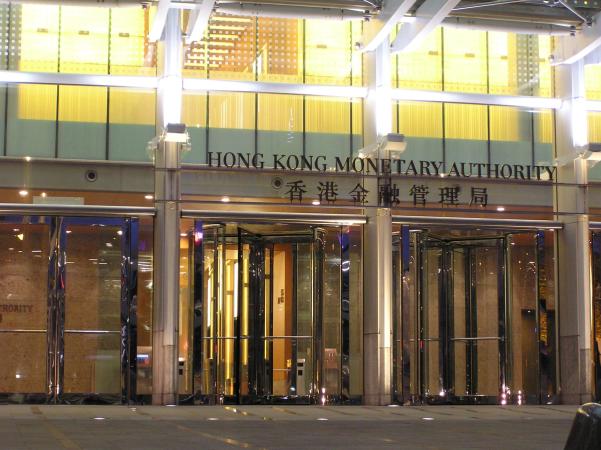
Hong Kong, Swift test tokenized deposits as banks chase stablecoin-style speed
Hong Kong and Swift expanded their efforts to connect tokenized bank deposits across currencies, building on earlier work involvin...
“We Need to Change Our Management”: Ricardo Salinas on Mexico’s Future, Bukele and Bitcoin
Bitcoin Magazine “We Need to Change Our Management”: Ricardo Salinas on Mexico’s Future, Bukele and Bitcoin Key Takeaways • Mexico...

OPTIMJACK malware targets crypto, card details on 186 major websites
Some of the world’s most popular websites, including CNN, BBC, Fox News and Zoom, were yesterday reportedly serving visitors a mal...