Bank of Spain Criticizes El Salvador’s Foray Into Bitcoin
The Bank of Spain, the central bank of the country, criticized the adoption process El Salvador chose when declaring Bitcoin legal tender last month. In a report titled “The role of crypto assets as legal tender: the exa...
Archive context
Older archive item. Useful for background and entity history, but not a fresh market-moving signal.
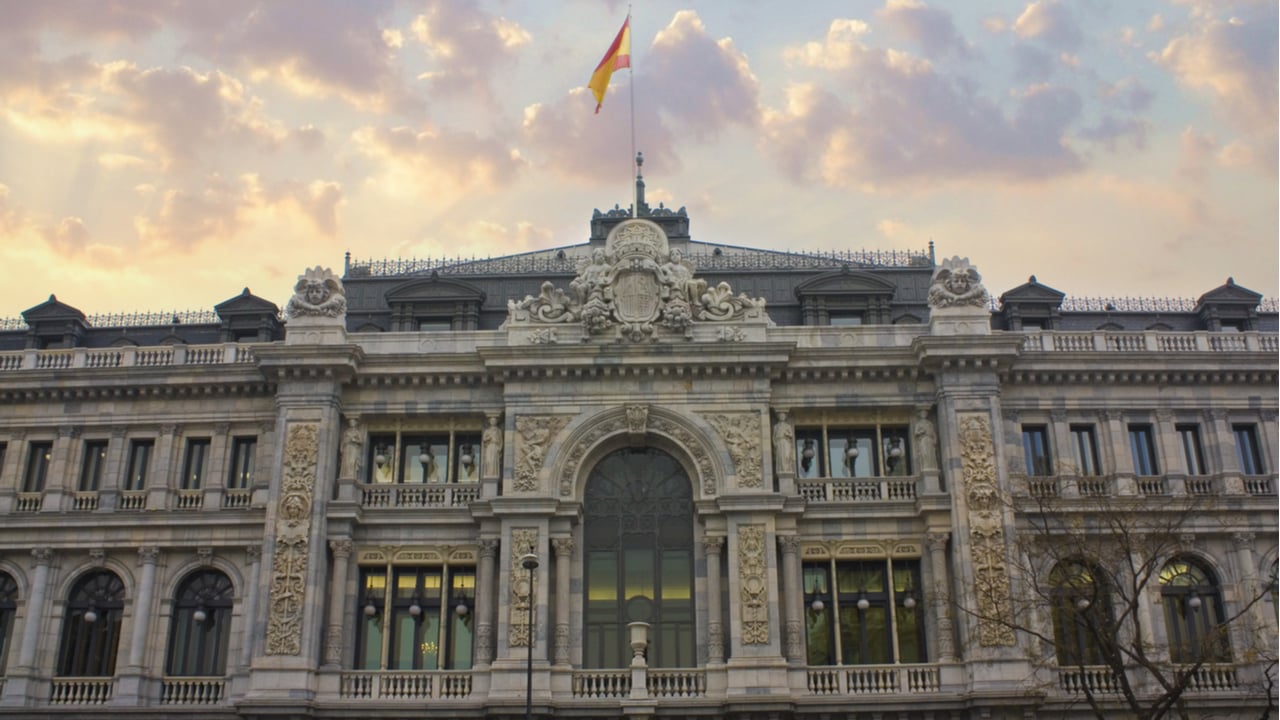
The Bank of Spain, the central bank of the country, criticized the adoption process El Salvador chose when declaring Bitcoin legal tender last month. In a report titled “The role of crypto assets as legal tender: the example of El Salvador,” the bank examines several pain points the country encountered while applying its bitcoin strategy, and raises concerns about how some actions have been taken with little transparency.
Bank of Spain Scrutinizes El Salvador’s Bitcoin BetThe Bank of Spain issued a report scrutinizing and reflecting upon the entrance of El Salvador into the Bitcoin world. The report, titled “The role of crypto assets as legal tender: the example of El Salvador,” written by Sergio Gorjón, of the General Directorate of Operations, Markets and Payment Systems, states that as every first-mover, El Salvador committed many mistakes in the implementation of Bitcoin as legal tender.
One of the principal worries of the Bank of Spain has to do with the relative lack of transparency the project has exhibited. The report states:
The opacity and lack of consensus with which the project has been carried out has been another limiting factor. Thus, the main global rating agencies agreed to carry out a downward revision of El Salvador’s sovereign credit rating.
Other Problems FoundThe Bank of Spain found other problems regarding El Salvador’s move towards Bitcoin. The institution agreed with the opinion of Vitalik Buterin, co-founder of Ethereum, who stated that virtually forcing Bitcoin on an untrained, non-crypto-savvy population was risky. The Bank of Spain stressed:
With just over 50% of its population with Internet access and a market share of smartphones that barely reaches 40%, El Salvador is at the bottom of the Central American countries in terms of the level of digital training.
However, the bank praised El Salvador for the measures it is taking to address the worries of using bitcoin as a means of financing terrorism or for money laundering purposes. The bank stated that the regulation issued by the country contemplates these problems in a thorough way, and makes it possible to reinforce control measures against these risks.
What do you think about the Bank of Spain’s opinion on El Salvador? Tell us in the comments section below.
Why this matters
This bitcoin story adds another data point to the current market tape and is useful when read alongside nearby source coverage.
Original source
Read on Bitcoin NewsRelated market context
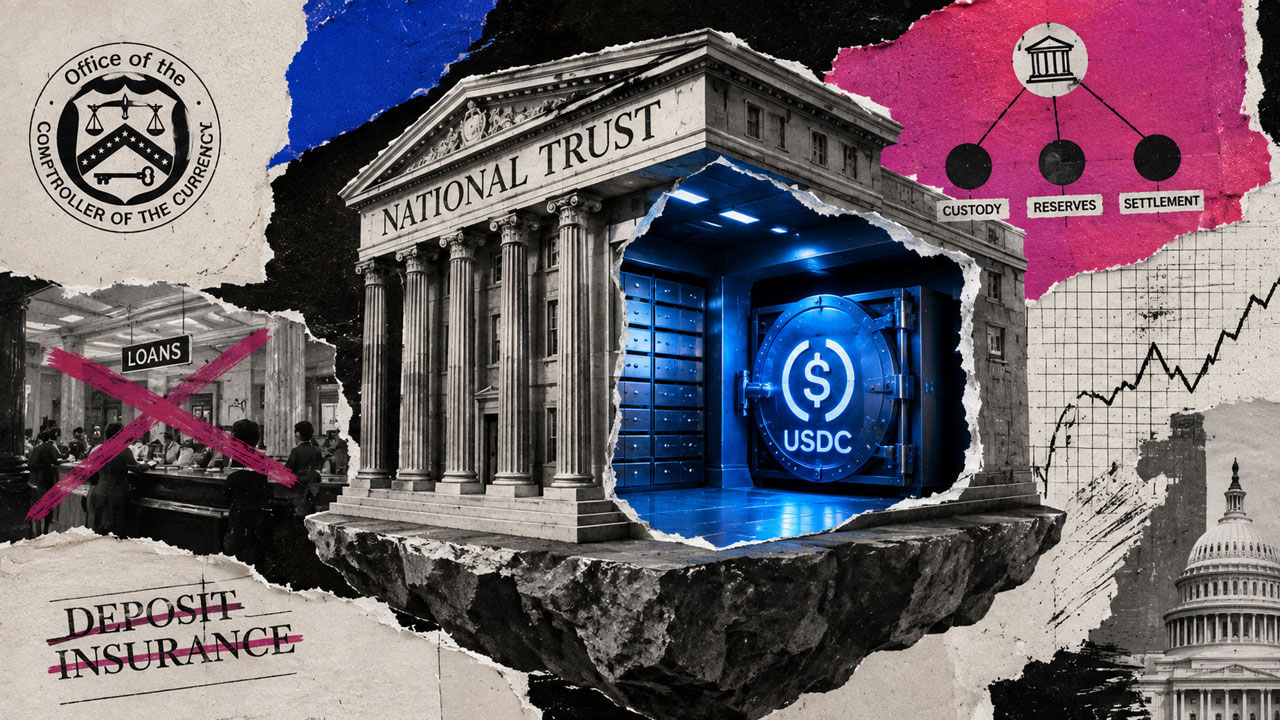
America is creating a new class of crypto banks – but they aren’t really banks
Circle now has a federal bank charter. However, the charter provides no ordinary checking accounts, FDIC-insured savings accounts,...
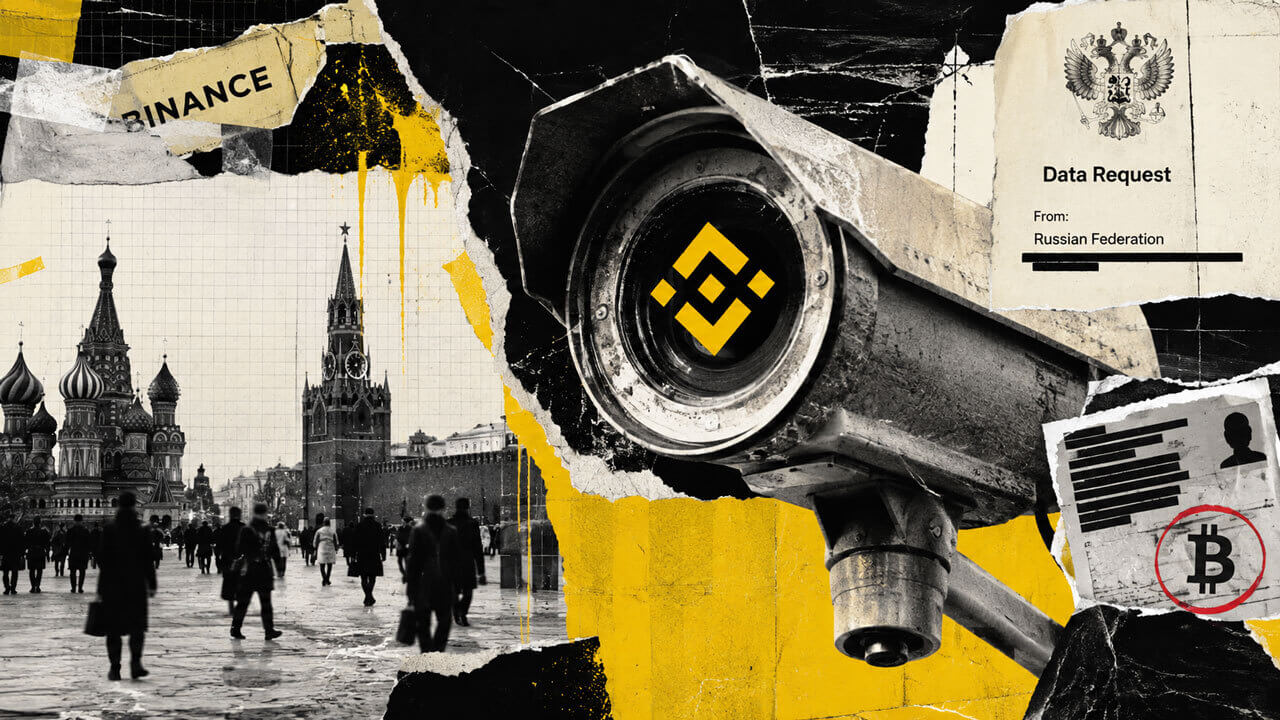
How a former crypto user’s archived Binance data ended up in a foreign terrorism prosecution
When Russian investigators detained IT specialist Yuri Belenkiy in September 2025, Binance had been formally out of Russia for alm...
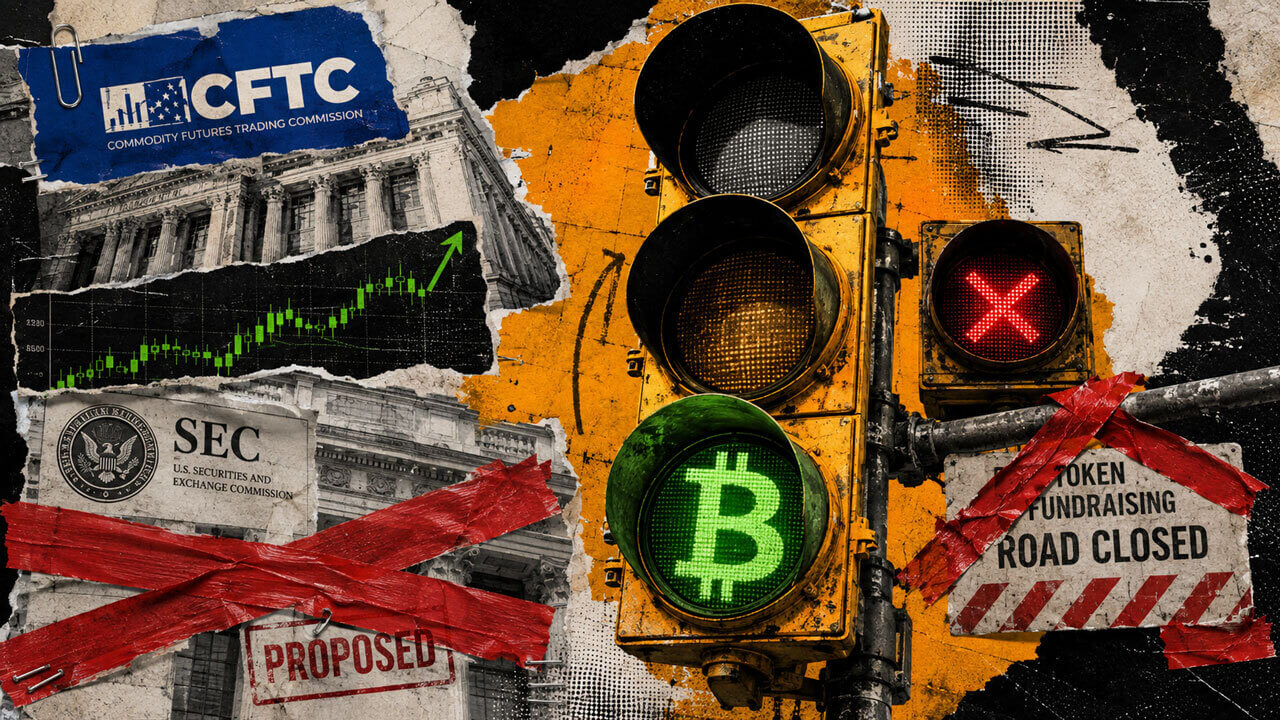
The US approved high-leverage Bitcoin trading while crypto founders remain legally blocked from raising funds
On May 29, the CFTC approved a Bitcoin perpetual contract for a regulated US exchange. Almost three months later, on Aug. 18, the...
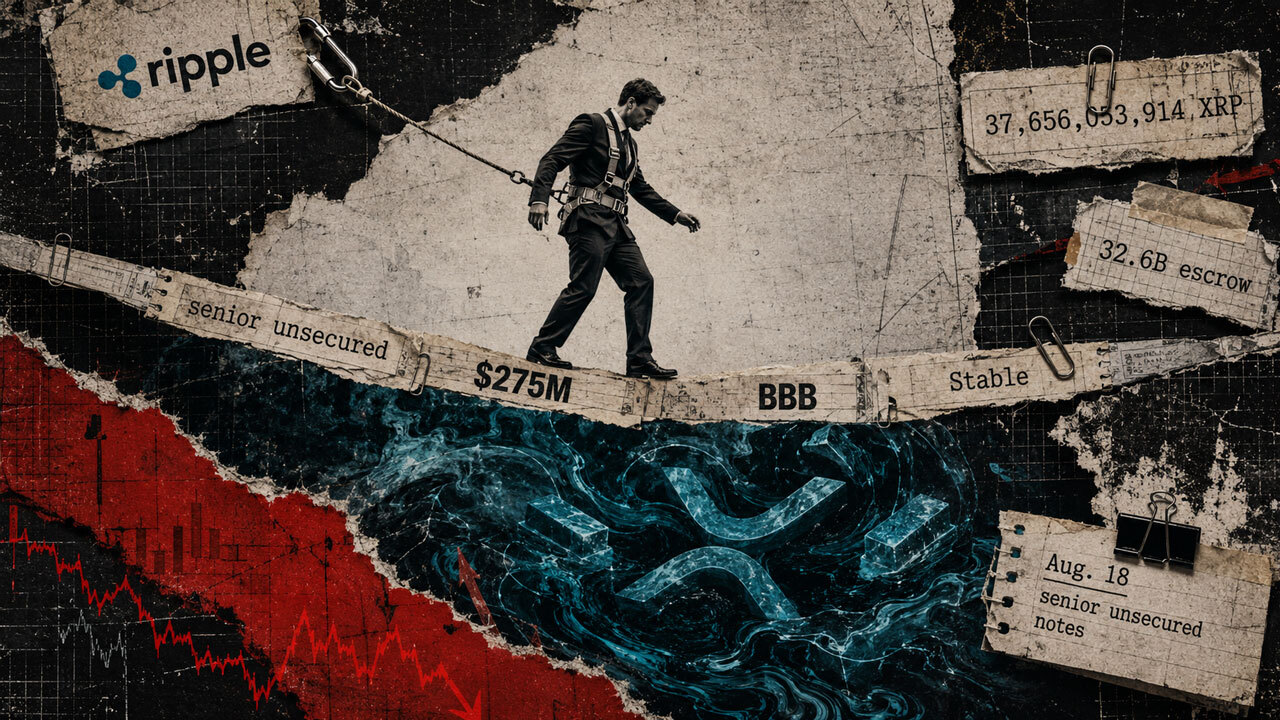
Ripple relies on locked XRP reserves to back a $275 million institutional credit line
Ripple Prime closed an upsized $275 million private placement of senior unsecured notes, giving the non-bank prime broker a new po...
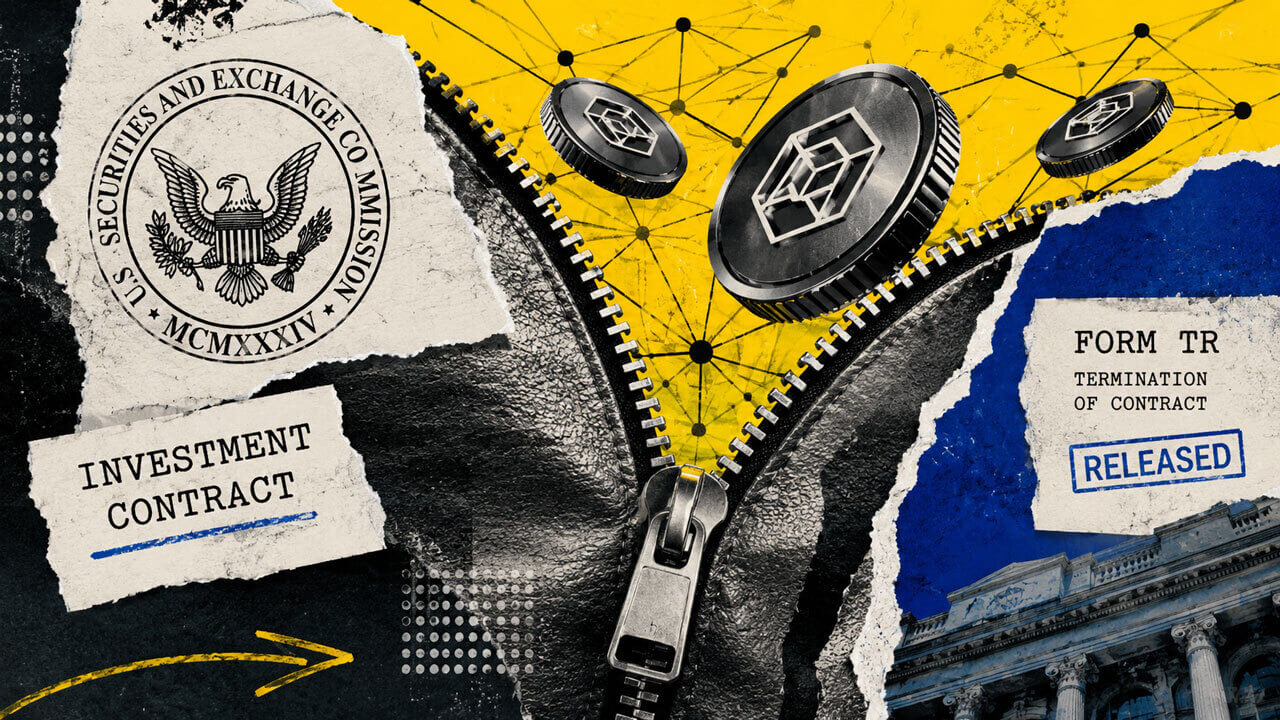
SEC proposes a path for crypto projects to raise $75 million and later end the token’s securities contract
US regulators have already found a home for true Bitcoin perpetuals inside the CFTC’s exchange framework. The SEC is now turning t...
Binance Opens New EU Accounts Without MiCA License, Report Finds
A recent report indicates that even after Binance announced it would wind down its services in several EU nations after failing to...