Bhutan and El Salvador Reap Bitcoin Rewards, Germany Misses Out on Billion-Dollar Surge
In the remote Himalayan kingdom of Bhutan, a prescient decision made in 2019 is now yielding unprecedented returns. The nation’s Bitcoin holdings, accumulated through mining operations when the cryptocurrency traded arou...
Archive context
Older archive item. Useful for background and entity history, but not a fresh market-moving signal.

In the remote Himalayan kingdom of Bhutan, a prescient decision made in 2019 is now yielding unprecedented returns. The nation’s Bitcoin holdings, accumulated through mining operations when the cryptocurrency traded around $5,000, have swelled to over $1 billion, marking a remarkable transformation in the country’s sovereign wealth portfolio.
Source: Arkham
This contrasts sharply with Germany, which recently missed out on potential gains of $1.7 billion by selling 50,000 Bitcoin during the summer’s market downturn. The German government’s sale, prompted by seized assets, generated $2.88 billion at the time, with Bitcoin trading below $54,000. However, the cryptocurrency’s subsequent surge to new all-time highs, approaching $90,000, has highlighted the potential opportunity cost of their decision.
Nayib Bukele Was RightEl Salvador, the first nation to adopt Bitcoin as legal tender, has similarly witnessed its digital treasury flourish. The Central American nation’s holdings, approximately 5,900 Bitcoin according to blockchain intelligence firm Arkham Intelligence, have appreciated by more than $100 million in just one week.
Source: El Salvador Cold Wallet
President Nayib Bukele’s decision to adopt Bitcoin as legal tender, once criticized as risky, is now being viewed through a different lens. The country’s gradual accumulation strategy, starting with an initial purchase of 200 Bitcoin, has resulted in a substantial national asset. While Germany opted for a large-scale selloff, El Salvador’s continued commitment to Bitcoin suggests a long-term vision for the cryptocurrency’s role in its economy. Bukele made sure that his critics knew he’d made the right decision, dunking on them via Twitter.
Source: X
The country’s total Bitcoin assets now stand at $523 million, a dramatic increase from their initial investment in September 2021. This reinforces the potential of strategic Bitcoin holdings, a strategy that Germany appears to have misjudged. WatcherGuru, a crypto market observer, noted that Germany’s selloff coincided with a period of increased Bitcoin volatility, ultimately culminating in a new all-time high of $89,643, according to TradingView data.
“We’re seeing a significant shift in how nations approach their reserves,” said Dennis Porter, CEO of Satoshi Action Fund. This surge in value has sparked renewed interest in sovereign Bitcoin holdings, with financial analysts suggesting that other nations may follow suit, learning perhaps from Bhutan and El Salvador’s success and Germany’s apparent misstep.
Bhutan’s strategy has been particularly noteworthy. The kingdom, through its commercial arm Druk Holding and Investments, has quietly amassed around 12,568 Bitcoin.
Recent movements of their holdings suggest active management of these digital assets, with the country transferring $66 million worth of Bitcoin to exchanges in late October as prices climbed. While Germany liquidated a substantial portion of its Bitcoin holdings, Bhutan’s continued accumulation demonstrates a contrasting approach to managing digital assets.
A New EraThe success of these early adopters has not gone unnoticed. Financial analysts suggest that this could mark the beginning of a new era in sovereign wealth management, where digital assets play an increasingly important role alongside traditional reserves. Germany’s experience serves as a potential case study in the complexities of managing these volatile assets, highlighting the potential for both significant gains and substantial missed opportunities.
For Bhutan, a country known for measuring success in terms of Gross National Happiness, this financial windfall may provide additional resources for social development. El Salvador, meanwhile, continues to expand its Bitcoin initiatives, suggesting that their commitment extends beyond mere investment to fundamental economic transformation.
Why this matters
This bitcoin story adds another data point to the current market tape and is useful when read alongside nearby source coverage.
Original source
Read on Brave New CoinRelated market context

Hester Peirce departs SEC after years of advocating for digital assets
Peirce's departure leaves the SEC with a narrowed perspective, potentially impacting future crypto regulation and innovation initi...
IMF Praises El Salvador — But Still Tries To Scale Back Its Bitcoin Project
Bitcoin Magazine IMF Praises El Salvador — But Still Tries To Scale Back Its Bitcoin Project The International Monetary Fund has p...
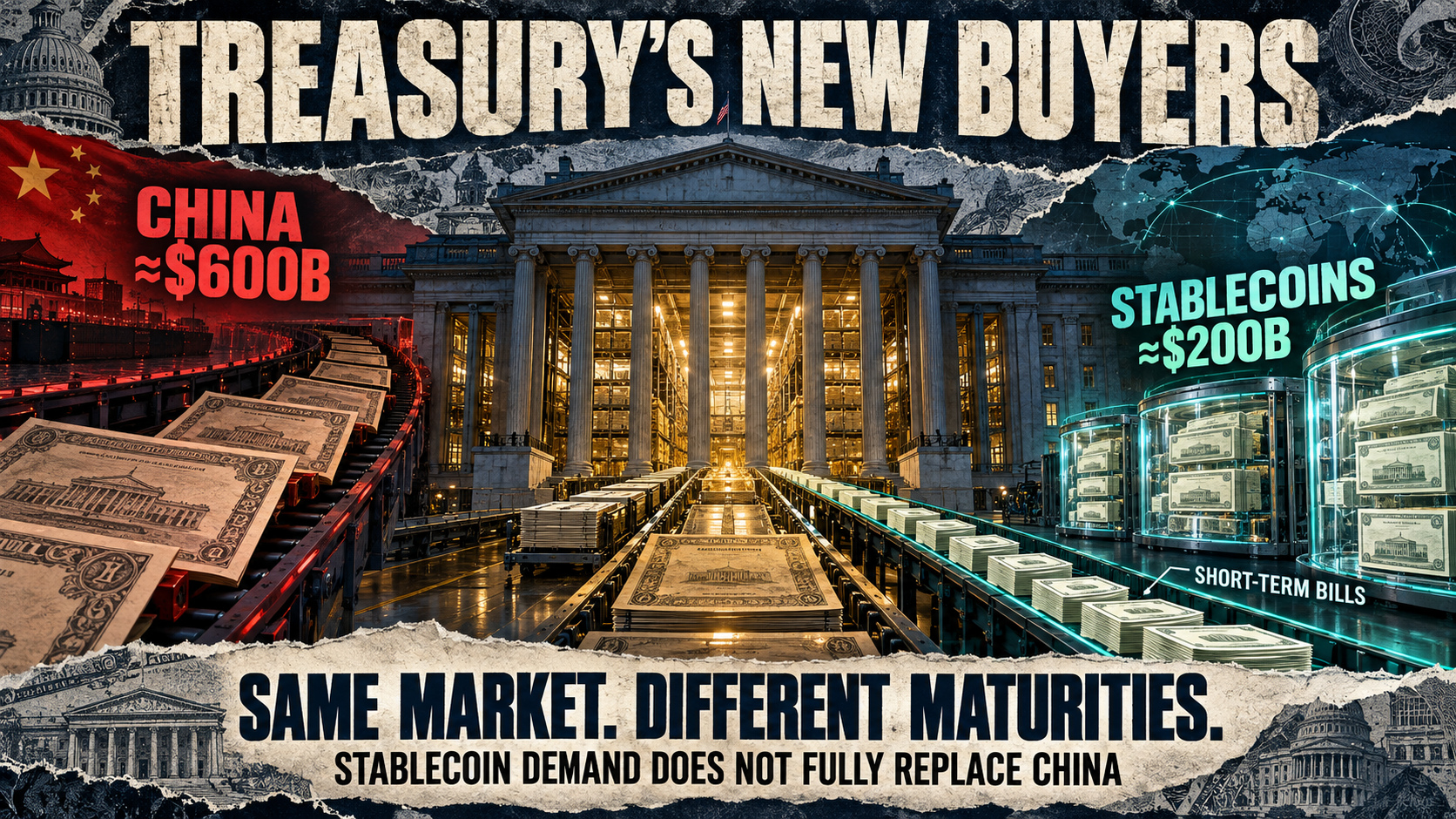
Stablecoin issuers have replaced 40% of China’s lost US Treasury demand
Stablecoin issuers are emerging as a new source of demand for US government debt as foreign official holdings lose ground. Tether...

El Salvador Agrees to Halt Further Bitcoin Accumulation Under IMF Deal
The International Monetary Fund completed El Salvador’s second and third reviews last night, authorizing an immediate disbursement...

El Salvador’s Bitcoin stash sits at $618 million despite IMF strings
El Salvador's Bitcoin strategy highlights the complexities of balancing national financial autonomy with international loan condit...

BNY weighs digital asset infrastructure deal with Kraken parent Payward: CoinDesk
A potential BNY-Payward partnership could significantly enhance crypto infrastructure, fostering greater integration with traditio...